
Last updated November 15, 2026
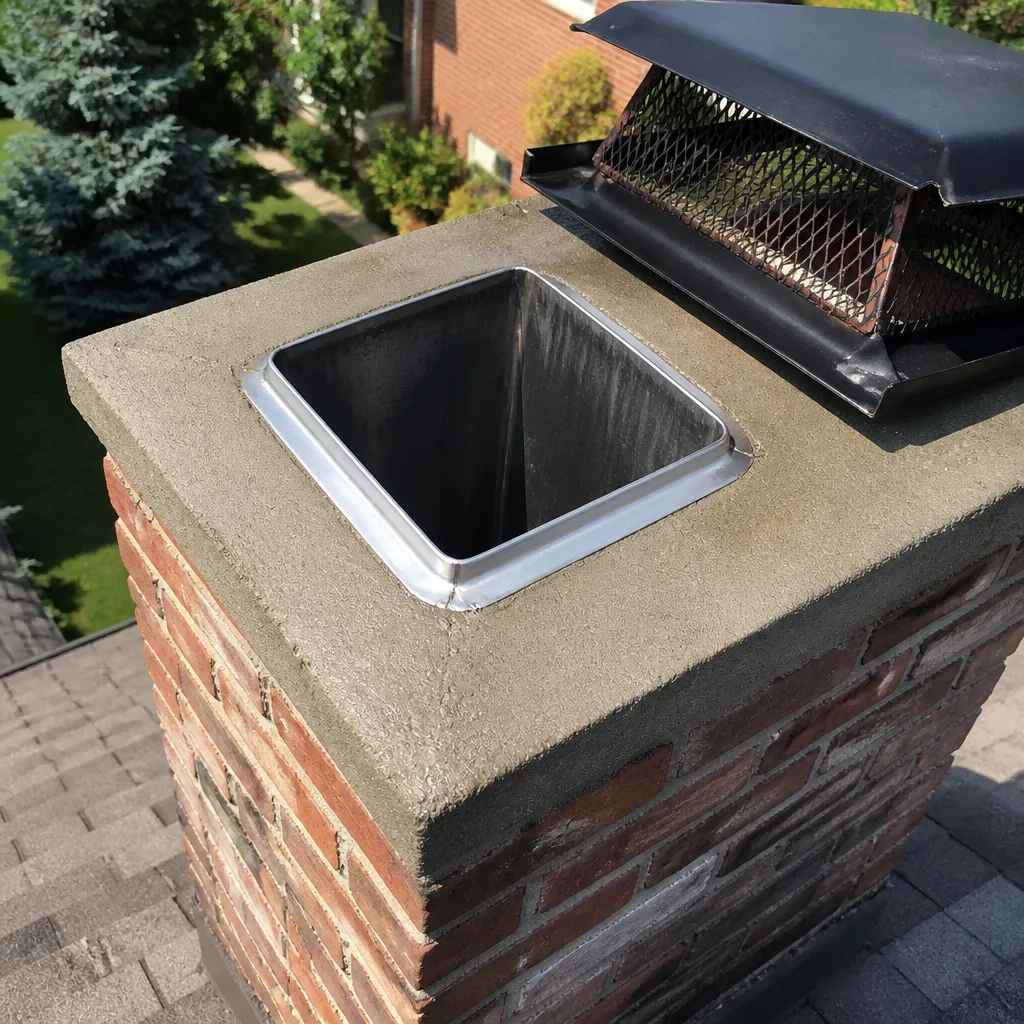 Sweep & inspection
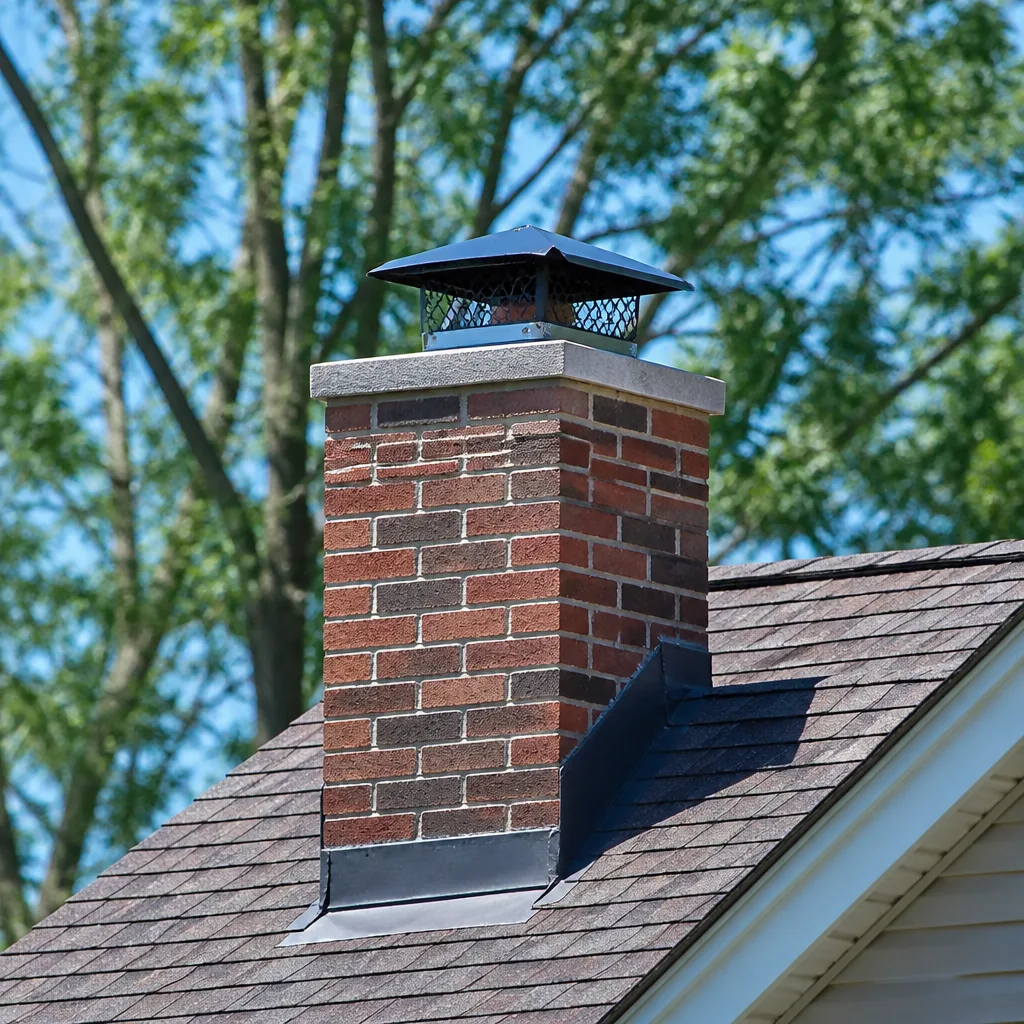 Caps & crowns
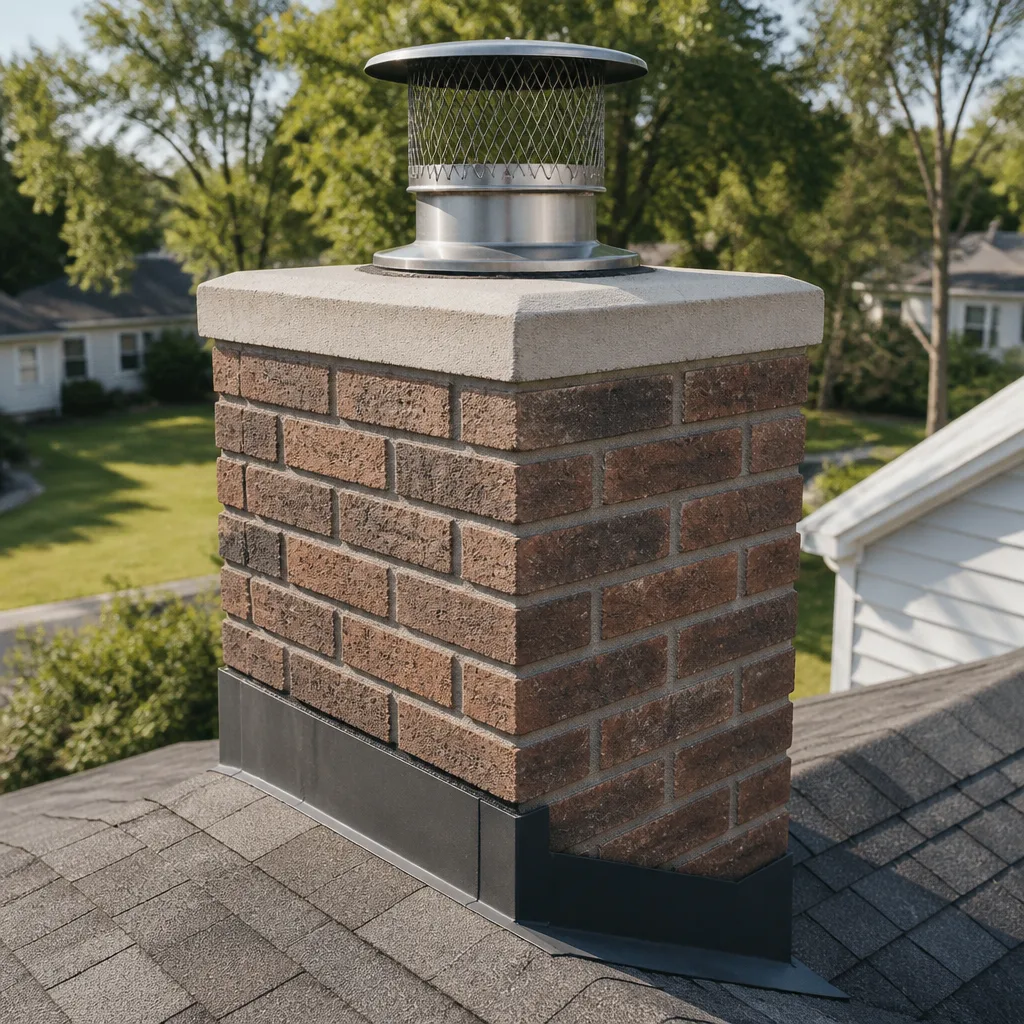 Flue relining
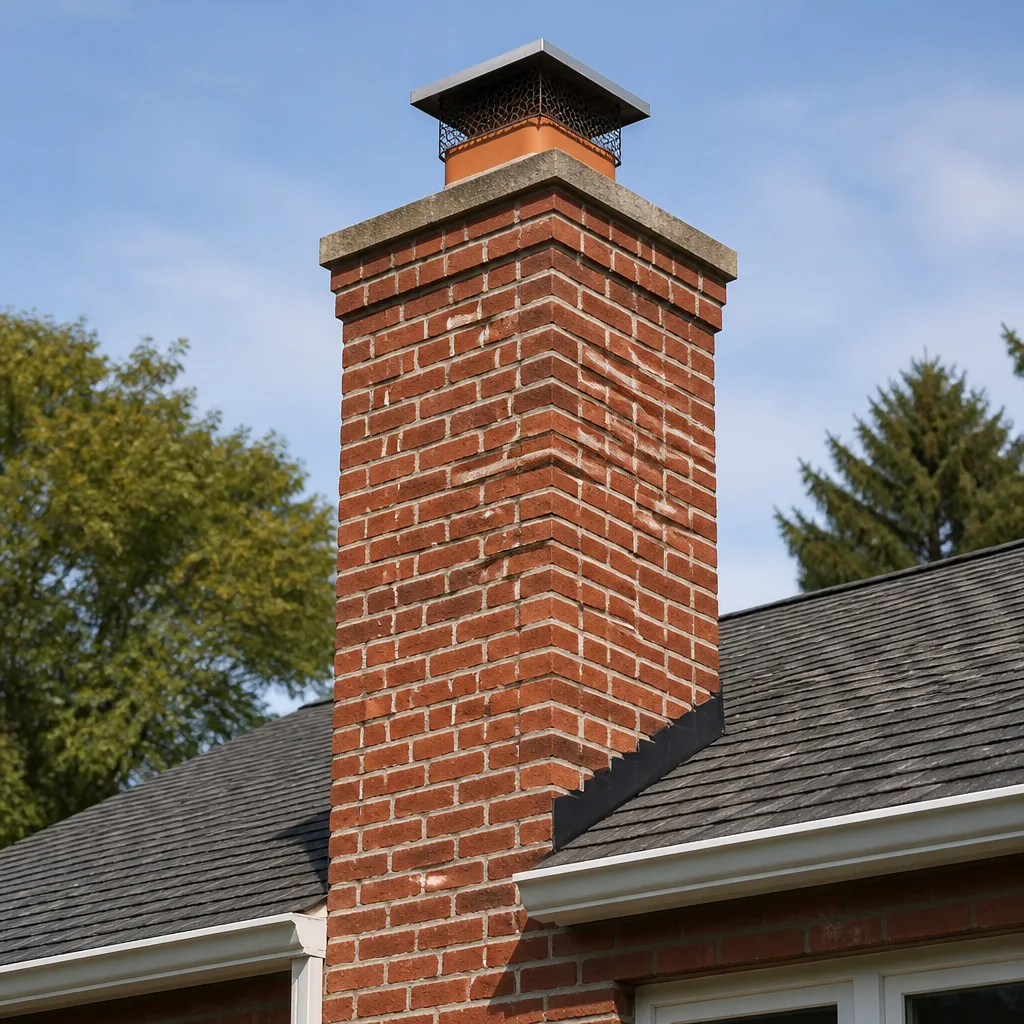 Masonry repair
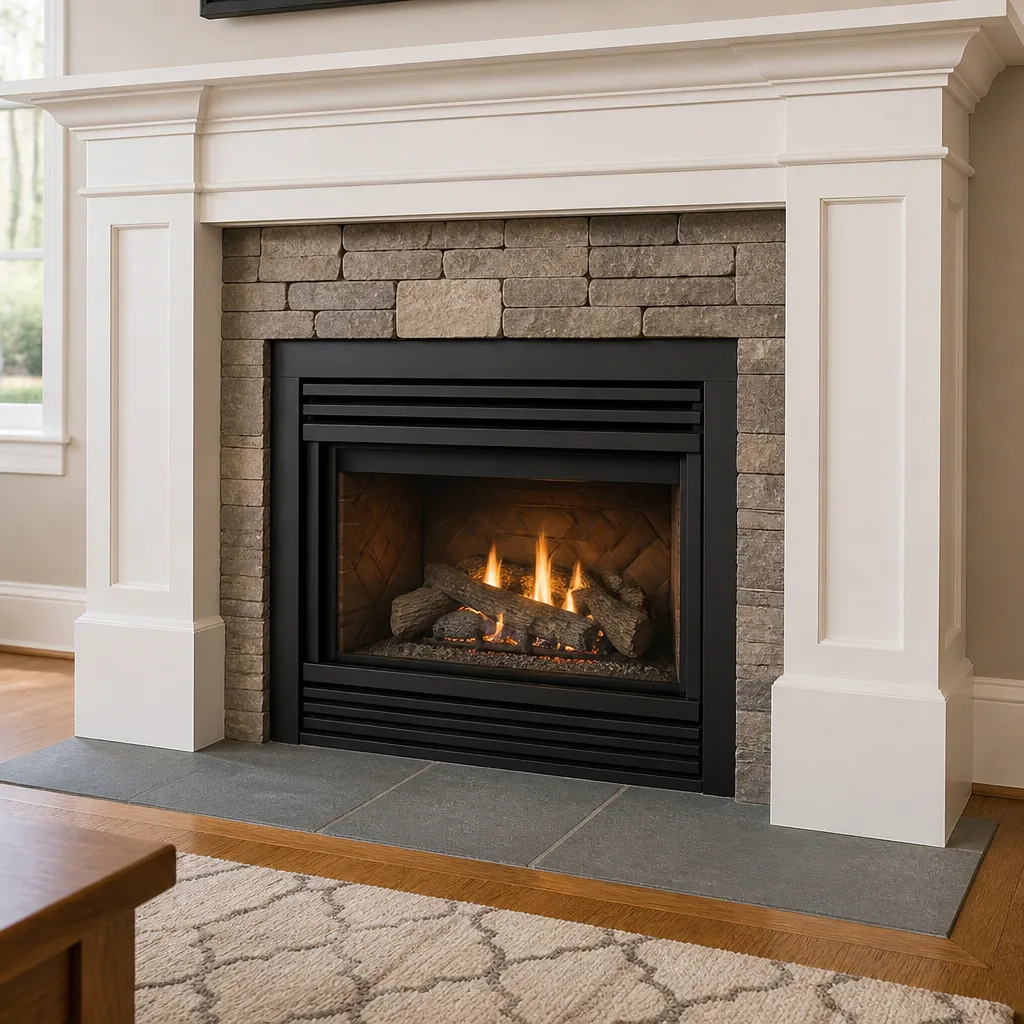 Gas fireplace service
Level 1 sweep and inspection to the NFPA 211 annual standard - flue, crown, cap, and flashing checked and photographed
Chimney sweep logs do not sweep chimneys. They loosen some creosote - which then falls where a brush and vacuum still have to collect it.
How to Hire a Chimney Cleaning Contractor in Lubbock: A Step-by-Step Guide
There is no state license required in Texas to call yourself a chimney sweep, which means the bar to entry is a Shop-Vac and a classified ad. That single fact explains why two Lubbock homeowners can pay similar prices and get wildly different results: one gets a documented inspection and a clear written scope, the other gets a brush run up the flue and a verbal “you’re all set.” The gap isn’t price. It’s the questions nobody asked before the ladder went up. This guide gives you a vetting framework you can run through on the phone in about ten minutes, so you can tell a credentialed chimney specialist from a handyman with a brush kit before anyone gets on your roof.
Quick Answer
To hire a chimney cleaning contractor in Lubbock, verify CSIA certification first, ask five specific questions on the phone before you schedule, and insist on a written scope of work before any repair begins. A legitimate sweep explains what a Level 1, 2, or 3 inspection includes, prices the sweep as a flat fee agreed before booking, and can show you camera evidence for anything they recommend. If a company can’t answer those basics, keep calling.
Styles & brands we work with
- Sweep & inspection
- Caps & crowns
- Flue relining
- Masonry repair
- Gas fireplace service
Table of Contents
- Why CSIA certification is the minimum credential to look for
- The five questions to ask on the phone before scheduling
- What a legitimate job scope document should include
- How to tell whether repairs are in-house or subcontracted
- Red flags specific to the Lubbock market
- The three levels of chimney inspection, explained
- Why the brand of material matters as much as the labor
- Don’t overlook the dryer vent during the same visit
Why CSIA certification is the minimum credential to look for
The Chimney Safety Institute of America, usually shortened to CSIA, is the credential that separates a trained chimney technician from a generalist. Texas doesn’t license chimney sweeps, so CSIA certification is the closest thing to a real standard you can verify. A certified sweep has passed an exam covering how chimneys actually work: draft, venting, clearances, the anatomy of a flue, and how different appliance types interact with a chimney system. That knowledge is what lets a technician recognize a problem instead of just pushing a brush.
Certification also requires continuing education to stay current. Chimney science changes. Venting requirements get updated, liner materials improve, and the way technicians evaluate a wood-burning fireplace versus a gas insert is not the same. A certified sweep keeps up with those changes; a handyman with a brush kit usually doesn’t.
Here’s what to verify when you call:
- Ask directly if the technician assigned to your job is CSIA certified. Certification belongs to individuals, not companies, so ask about the person coming out.
- Ask how long that technician has been doing chimney work. Our own technicians have up to 12 years of experience, and that tenure shows up in how they read a flue.
- Ask what happens if they find something structural. A certified sweep knows how to document it; a generalist often doesn’t.
When you book a chimney sweep, you’re paying for judgment as much as for labor. Certification is the fastest way to confirm you’re getting both.
The five questions to ask on the phone before scheduling
Most hiring mistakes happen before anyone shows up. A five-minute phone call filters out the companies that will waste your afternoon or, worse, talk you into work you don’t need. These are the questions we recommend every Lubbock homeowner ask, in this order.
- Are you CSIA certified, and can you tell me what that required? A real answer describes the exam and the scope of knowledge. A vague one (“we’re fully trained”) tells you something.
- What’s included in the price you just quoted me, and is it flat? A flat-price sweep agreed before booking is the standard. If the price moves once they’re on the roof, that’s a problem. Get the number in writing before they arrive.
- What level of inspection comes with the sweep? A standard sweep includes a Level 1 inspection. If they can’t explain what that covers, they’re not inspecting, they’re brushing.
- How do you handle a structural finding mid-job? The right answer is that work stops, you get a written scope with photos, and nothing is repaired until you approve it. A company that “can just fix it while we’re here” without documentation is a company that will hand you a big bill and no proof.
- Do you do the repairs yourselves, or do you subcontract? This one matters more than most people realize, and we cover it in detail below.
Write the answers down. If a company stumbles on three or more of these, keep calling. In Lubbock, where the pool of truly credentialed sweeps is smaller than the number of business cards suggests, this filter saves you real time.
What a legitimate job scope document should include
A verbal agreement on chimney repair is a liability you’re accepting without knowing it. If a company tells you the flue needs work and you say “go ahead” over the phone, you have no record of what was promised, what material was used, or what the job was supposed to accomplish. When something goes wrong six months later, you’re arguing from memory. A written scope fixes that.
Before work begins, ask for a document that includes:
- The specific finding, in plain language. “Cracked flue tile at the second joint” beats “flue damage.” Ask to see the camera photo or video that supports it.
- The proposed repair and the material to be used, by brand. If a liner is being installed, the brand name should be on the page. Trade-trusted brands matter because they’re what the industry uses; off-brand substitutes are not equivalent.
- The price, as a fixed number, not a range. The written estimate sets the final price. Ranges are for planning; the document you sign should be firm.
- What’s excluded. If masonry work isn’t part of the job, say so in writing so there’s no surprise later.
- Who performs the work. In-house or subcontracted, named in the document.
A company that resists putting the scope in writing is telling you something. Insist on it anyway. Our written estimates always include the brand of material being installed, because you should know exactly what’s going into your chimney and why.
How to tell whether repairs are in-house or subcontracted
This is the question most homeowners never think to ask, and it’s the one that determines who answers for the work later. A chimney sweep who subcontracts repairs is a middleman. When the liner fails or the crown cracks, you call the sweep, who calls the sub, who may or may not call you back. Accountability gets diluted with every handoff.
How to evaluate it:
- Ask who will physically do the repair. “We handle it” is the right answer. “We work with a guy” is not.
- Ask if the repair company is the same company that did the inspection. If not, the inspection findings are being interpreted by a second party who never saw your flue.
- Check whether the company installs liners and does resurfacing itself. A full-service chimney and dryer vent specialist can go from inspect to diagnose to repair without handing you off.
We handle sweeping, repair, and dryer vent cleaning with the same team, so the person who finds a problem is the person who can fix it and the person who answers when you call back. That continuity matters more than any single credential. It also means there’s no finger-pointing between a sweep and a repair contractor when a question comes up later.
Red flags specific to the Lubbock market
Lubbock has a few hiring patterns worth knowing. They’re not unique to the city, but they show up here often enough that we’ve learned to name them.
Vague “inspection fees” that balloon
Some companies advertise a low inspection fee, then arrive and quote a much larger number on the spot. The flat-price standard exists precisely to prevent this. Ask for the total price in writing before booking, and confirm it covers the sweep and a Level 1 inspection. If the fee is “starting at,” press for the actual number.
Upselling gas log systems during a wood-burning sweep
If you burn wood and a technician arrives pushing a gas log conversion you didn’t ask about, that’s a sales call disguised as a service visit. Gas systems are a legitimate category, but they aren’t a repair and shouldn’t be pitched without you initiating the conversation.
Quotes given without a site visit
A firm quote on a chimney repair without anyone looking at the flue is a guess dressed as a price. Chimney work is inspection-driven. The only honest way to price a repair is to look first, with a camera if the flue is deep. Anyone who quotes repairs over the phone before inspecting is either padding the number or lowballing to get in the door.
Big-ticket recommendations with no evidence
The single biggest hesitation homeowners have is being told they need thousands of dollars of liner or masonry work they can’t verify. That’s a fair worry. Nothing should be recommended without camera evidence you can see for yourself, and a good company will tell you plainly when work can safely wait.
The three levels of chimney inspection, explained
Chimney inspections come in three levels, and knowing the difference tells you whether a company actually understands the work. A basic sweep typically includes a Level 1 inspection. A problem found during that sweep often requires a Level 2. Here’s how they differ.
- Level 1: A visual inspection of readily accessible portions of the chimney, with the appliance connected. This is what comes with a routine annual sweep and covers the firebox, damper, flue interior as visible, and the exterior components you can see without special tools.
- Level 2: Adds a video scan of the flue interior using a camera. This is the inspection that catches cracked tiles, gaps in the liner, and joint problems you can’t see from the top. A Level 2 is the standard when a chimney changes hands, changes fuel type, or when a Level 1 turns up something worth a closer look.
- Level 3: Involves opening up parts of the chimney structure to inspect concealed areas. Rare, and only used when a serious hazard is suspected.
Ask which level you’re getting and what it includes. A camera inspection and photo report should come standard with any Level 2, and a company that folds that into the sweep without charging extra is a company that takes the inspection seriously. In our experience, the findings from a proper camera scan are what separate a real diagnostic from a quick brush-out.
Why the brand of material matters as much as the labor
A chimney repair is only as good as the material and the installer. This is where a lot of bids get quietly cheap: same labor, lower-grade liner. The brand name on the liner or the resurfacing product is not a detail; it’s the difference between a repair that holds and one that fails early.
Professional-tier brands are what the trade uses for a reason. DuraFlex liner systems are built for full relining projects where a flue needs a durable, continuous lining. Olympia Chimney supplies venting and liner components the industry trusts. Copperfield makes liner and venting products that hold up over time. Famco covers dryer vent systems, which is a category most chimney-only companies don’t stock at all. These aren’t available to a general handyman, which is partly why brand names are such a good filter: a company that names the brand is a company that works with suppliers the trade actually uses.
We also work with HeatShield and Gelco because resurfacing is a middle path. When a flue liner is deteriorating but hasn’t failed completely, a HeatShield resurfacing application restores it without a full replacement. That’s a cost-saving option that basic sweep operators often can’t offer, and it’s worth asking about specifically if you’re told your liner is failing. Not every flue qualifies, but the question separates a company that knows the options from one that only knows one answer.
Don’t overlook the dryer vent during the same visit
The dryer vent is a fire-safety system most chimney-only companies ignore entirely. Lint accumulates in the vent line the same way creosote accumulates in a flue: gradually, invisibly, and in a way that only becomes obvious when it’s a problem. Dryer vent cleaning addresses a leading household fire hazard, and it belongs in the same conversation as your chimney sweep.
Ask whether the company handles dryer vent cleaning alongside chimney work. If they don’t, you’ve learned something about their scope. If they do, book both at once; the visit is more efficient and the vent line gets the same documented inspection your flue does. A full-service chimney and dryer vent specialist can go from one system to the other without a second appointment or a second contractor.
Common Mistakes to Avoid
- Hiring on price alone. The cheapest sweep is often the one with no certification and no camera. You’ll pay more later when an undetected flaw turns into a repair.
- Accepting a verbal scope on repair work. If it isn’t written down with a brand name and a price, it isn’t a scope. Homeowners who skip this lose their leverage the moment the technician leaves.
- Letting a technician quote repairs before inspecting. A price given before anyone sees the flue is a guess. The honest sequence is inspect, diagnose, repair.
- Assuming certification transfers from company to technician. CSIA certification is personal. Confirm the person coming to your home is certified, not just the company.
- Signing off on a full liner replacement without asking about resurfacing. HeatShield resurfacing restores a deteriorating liner without full replacement when the flue qualifies. Ask before you commit.
- Skipping the dryer vent because it’s not the chimney. Two systems, two hazards. A Lubbock home with a wood-burning fireplace and a gas dryer has two vent lines that both need attention.
- Ignoring a recommendation that has no camera evidence. You have a right to see what the technician sees. Any finding you can’t verify is a finding you shouldn’t pay for yet.
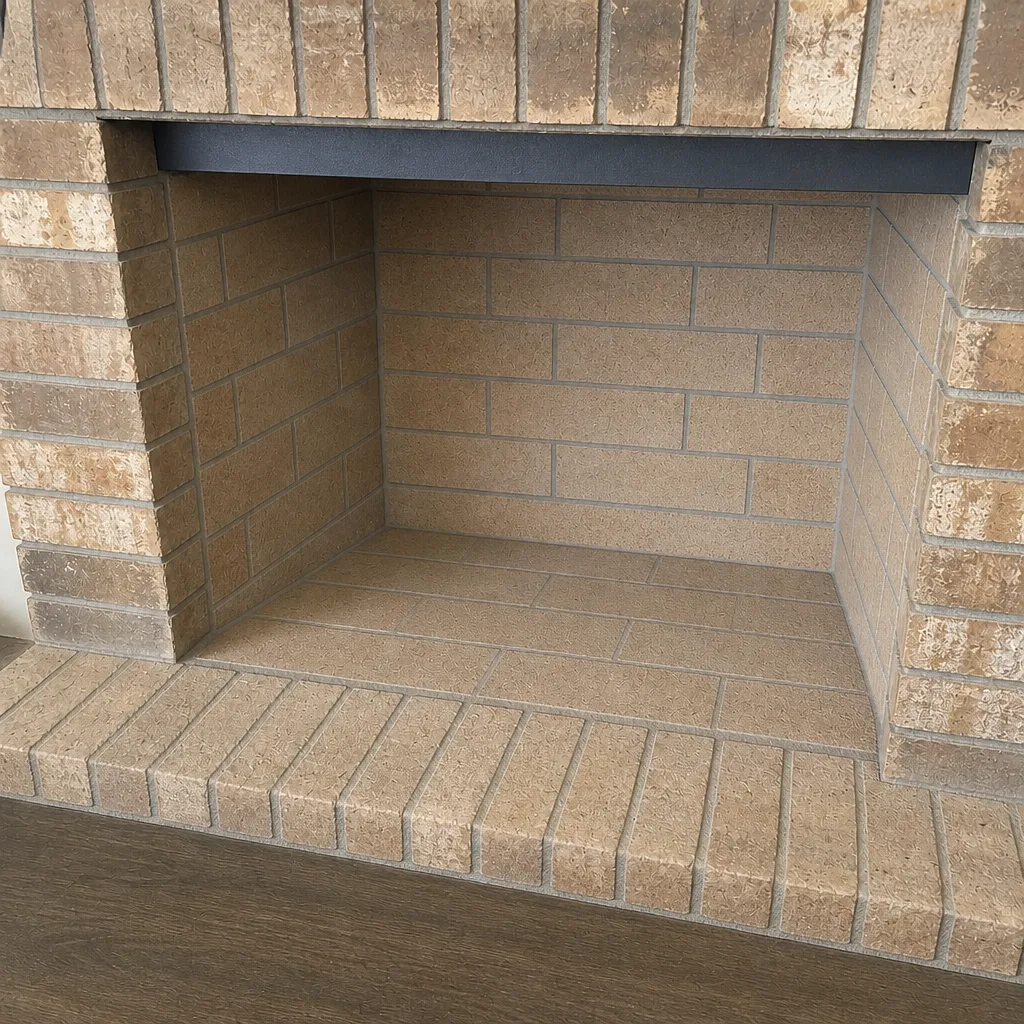
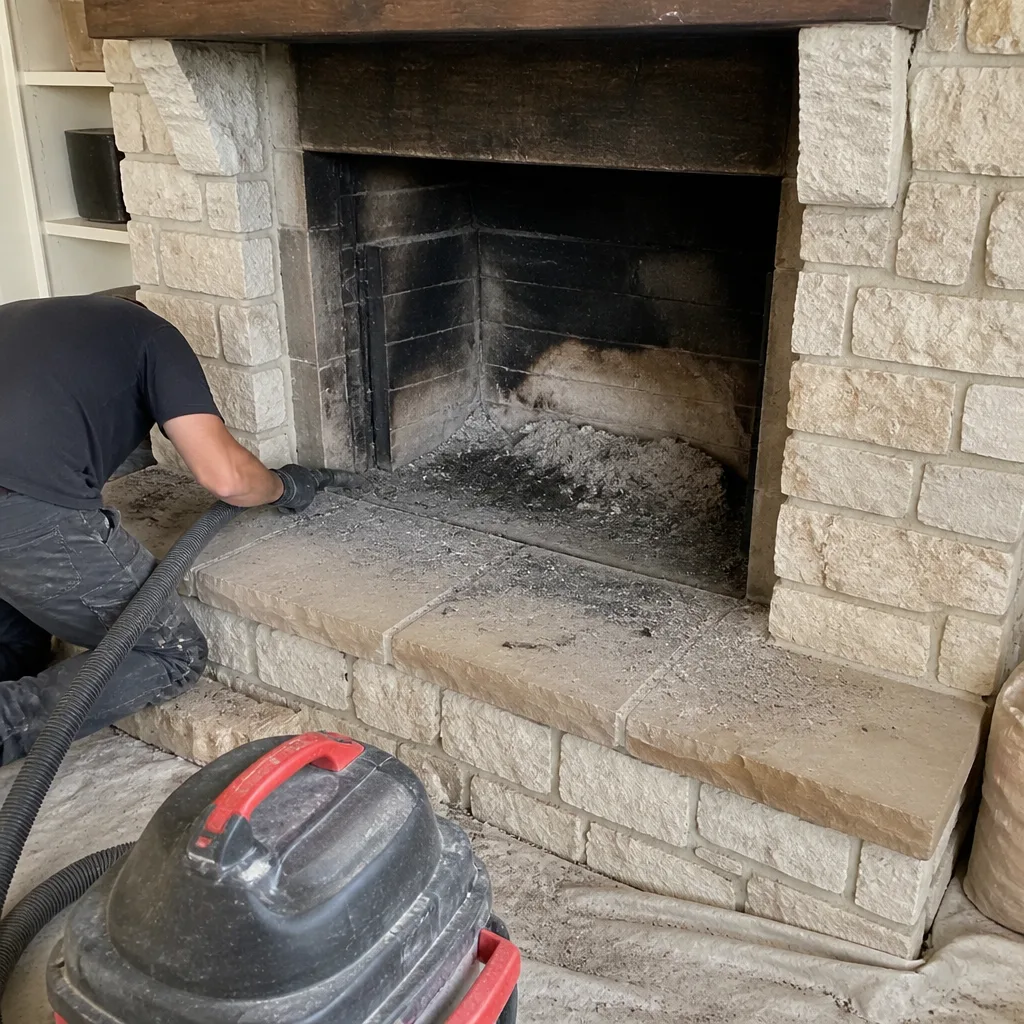
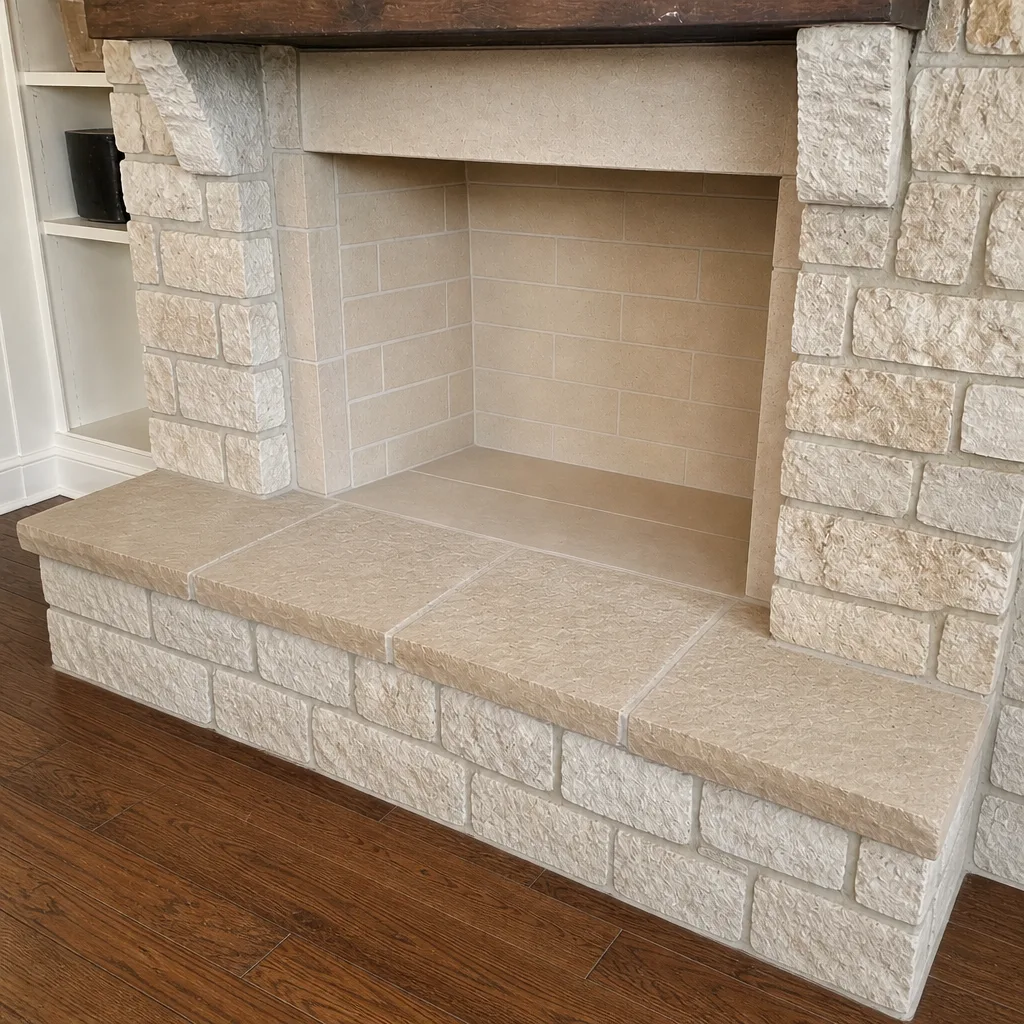
See the difference
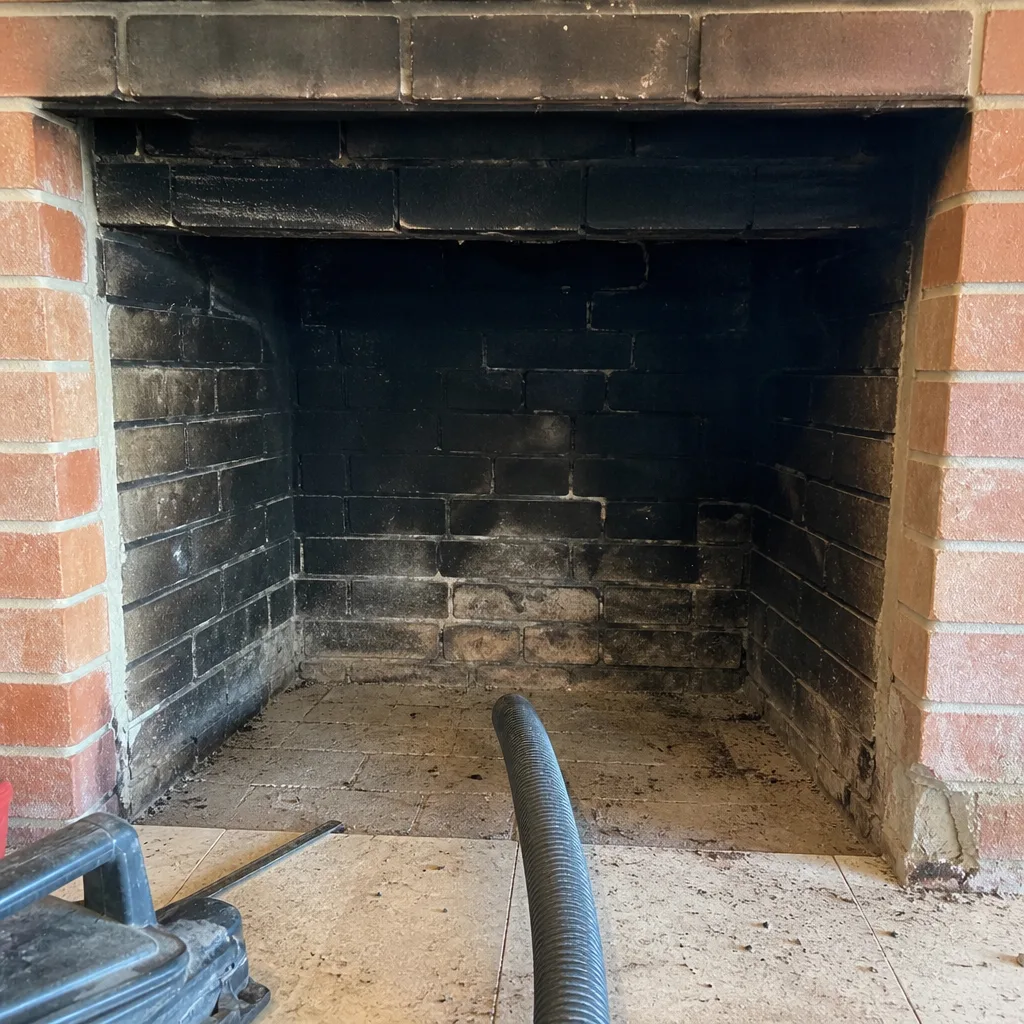 Before
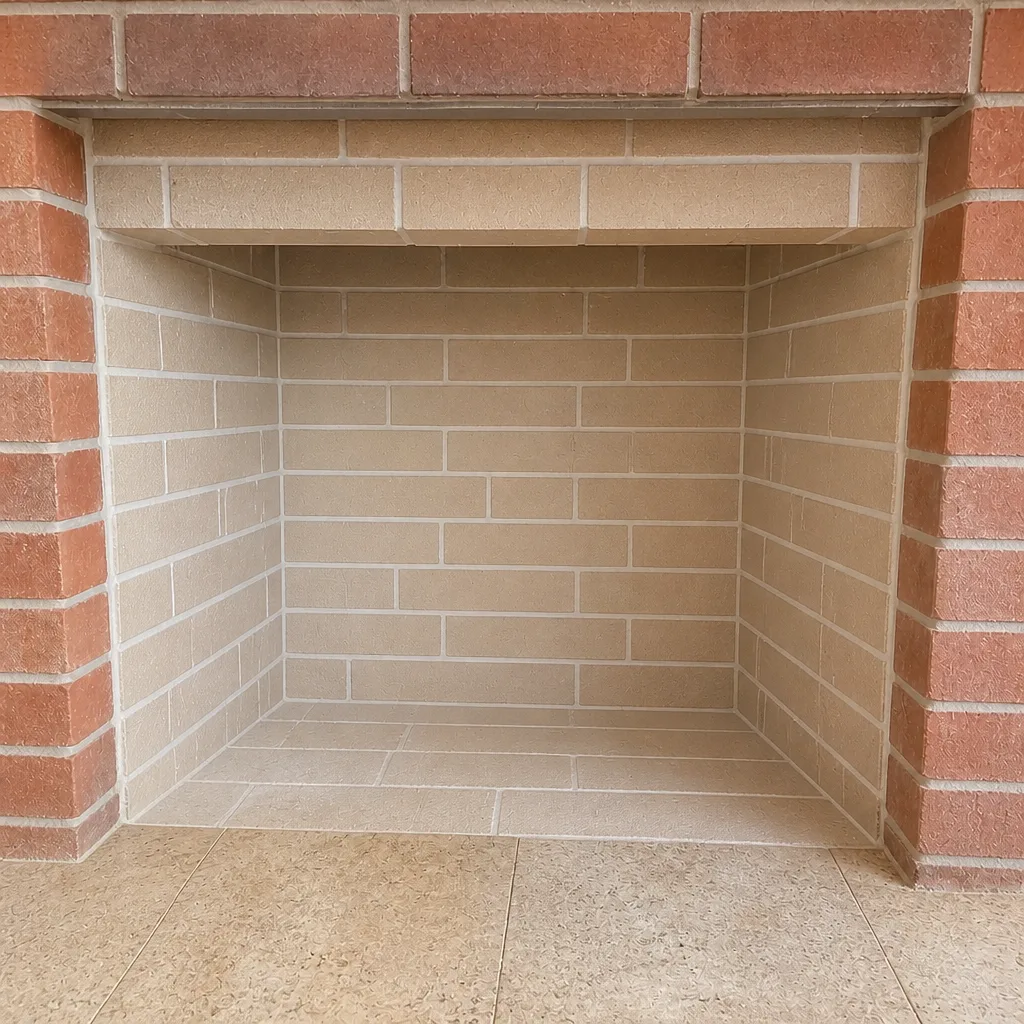 After
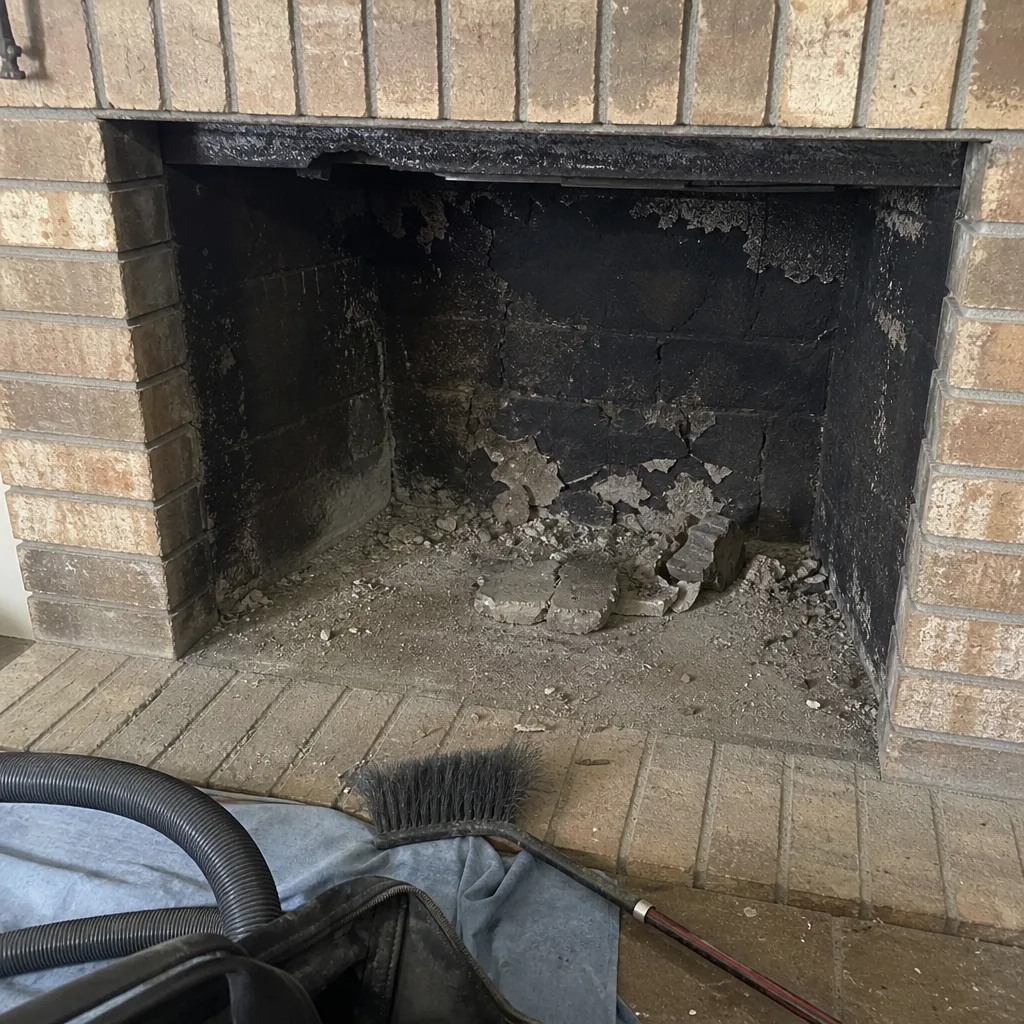 Before
 After
 Before
 After
When to Call a Professional
Some problems are obvious and some aren’t. Call a professional when you see or smell anything unusual around the fireplace: smoke backing into the room, a strong creosote odor that doesn’t clear, visible cracks in the firebox or flue tiles, or a damper that won’t open fully. Call if the chimney has a history of burning green or unseasoned wood, which builds creosote faster. Call if it’s been more than a season since the last sweep, or if you’ve just moved into a Lubbock home and don’t know when the chimney was last serviced. And call if your dryer is taking longer than usual to dry a load; that’s often a vent restriction, not an appliance problem.
If you’ve found a company that passes the questions above, the rest is scheduling. Chimney Sweep Lubbock offers free estimates in Lubbock – call (855) 617-0455. We answer 24/7. Fast dispatch from 7am to 7pm, Sunday through Friday.
Frequently Asked Questions
No. Texas doesn’t license chimney sweeps, which is why CSIA certification is the credential you should look for. It’s voluntary, it’s personal to the technician, and it signals training the state doesn’t otherwise require. Call (855) 617-0455 for an exact quote – estimates are free.
Ask whether the technician is CSIA certified, whether the sweep price is flat and agreed before booking, what level of inspection is included, how mid-job structural findings are handled, and whether repairs are done in-house or subcontracted. Those five questions filter out most of the wrong companies. Call (855) 617-0455 for an exact quote – estimates are free.
A legitimate recommendation comes with camera evidence you can see for yourself before you agree to anything. Ask to see the video or photo of the finding, and ask for a written scope naming the material brand and the fixed price. If a company can’t show you the evidence, you don’t have to take the recommendation on faith. Call (855) 617-0455 for an exact quote – estimates are free.
A Level 1 is a visual inspection of accessible chimney components and comes with a routine sweep. A Level 2 adds a video camera scan of the flue interior and is the standard when a problem is suspected or a home changes hands. Ask which one you’re getting. Call (855) 617-0455 for an exact quote – estimates are free.
Yes, when you can. Dryer vent cleaning addresses a leading household fire hazard, and a company that handles both systems can check two vent lines in one visit with the same documentation standard. A chimney-only company leaves that hazard unaddressed. Call (855) 617-0455 for an exact quote – estimates are free.
The brand on a liner or resurfacing product is the difference between a repair that holds and one that fails early. Professional-tier brands like DuraFlex and Olympia Chimney are what the trade uses for a reason, and they’re not available to a general handyman. Ask what brand goes in, and why. Call (855) 617-0455 for an exact quote – estimates are free.
The Bottom Line
Hiring a chimney sweep in Lubbock comes down to a short list of verifiable facts. CSIA certification on the technician, not just the company. A flat price agreed before booking. A Level 1 inspection that comes with the sweep, and a camera scan whenever something looks off. A written scope with brand names and a fixed price before any repair begins. And one company accountable for the whole job, from inspection through repair, so there’s no handoff and no finger-pointing when a question comes up later. Run the five phone questions. If the answers hold up, you’ve found your specialist. If they don’t, you’ve saved yourself a repair bill and a headache. Call (855) 617-0455 for a free estimate. We answer 24/7, with fast dispatch from 7am to 7pm, Sunday through Friday.
Written by the team at Chimney Sweep Lubbock.