
Last updated November 15, 2026
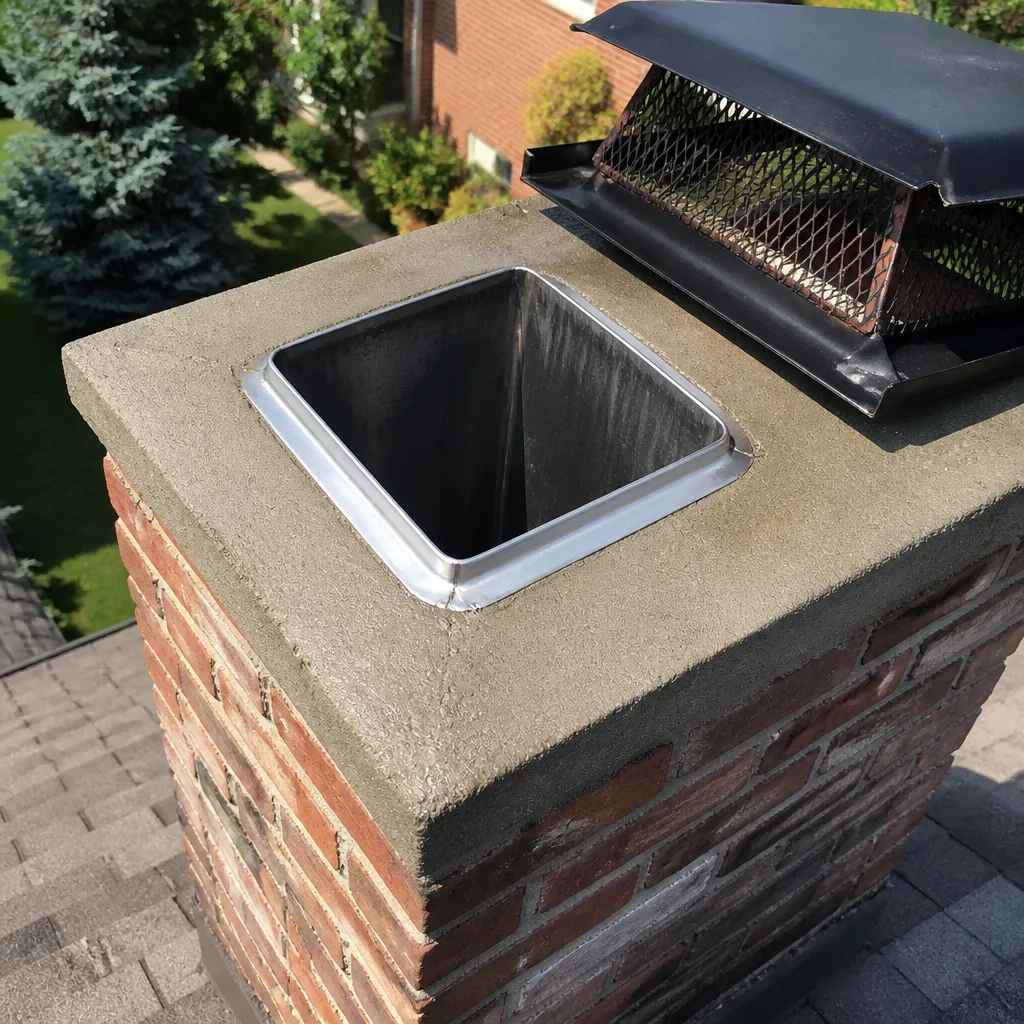 Sweep & inspection
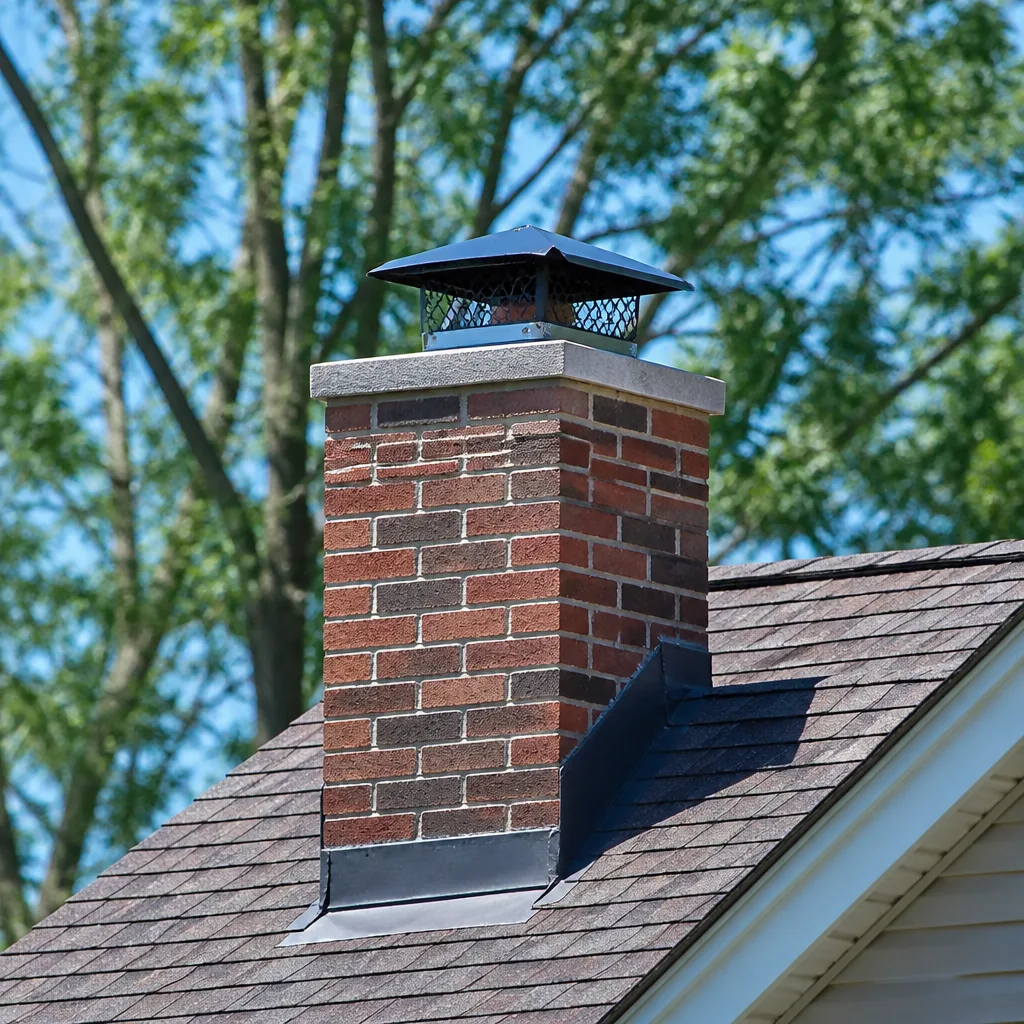 Caps & crowns
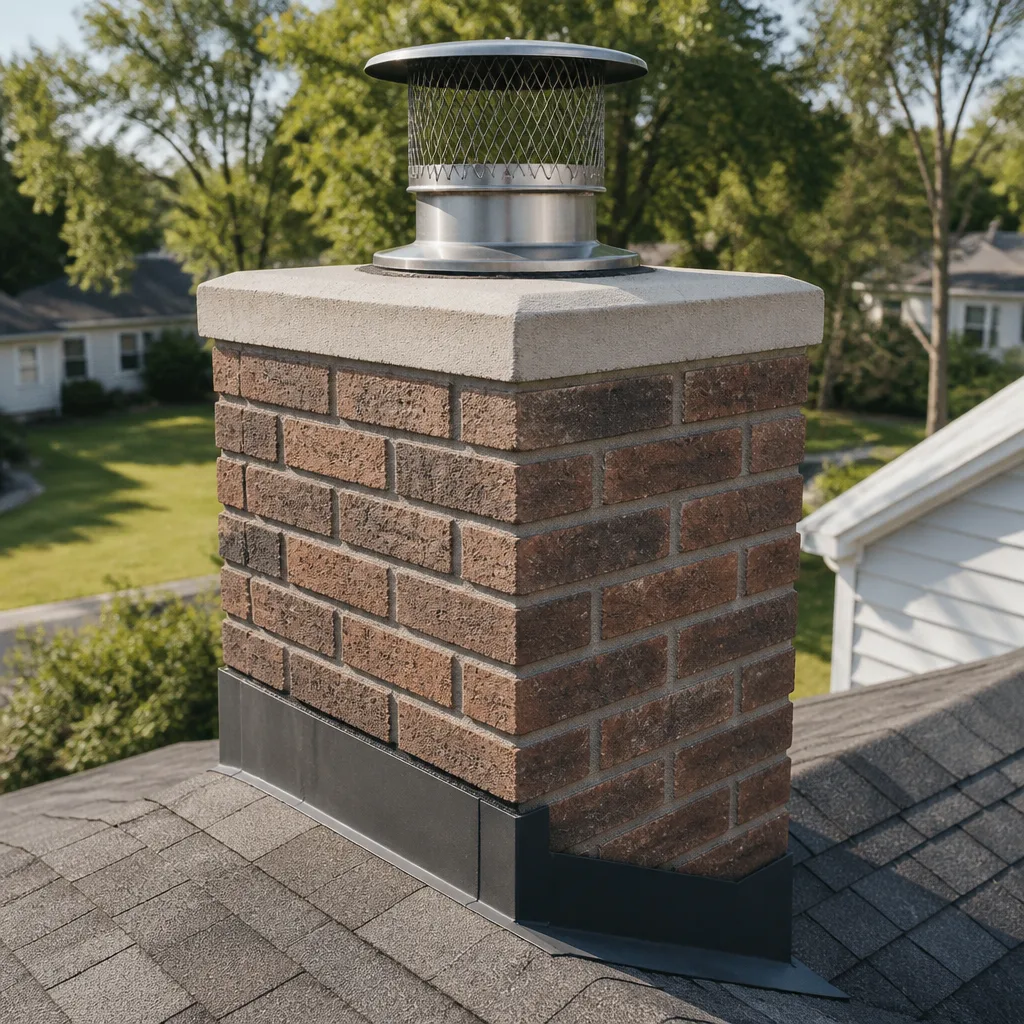 Flue relining
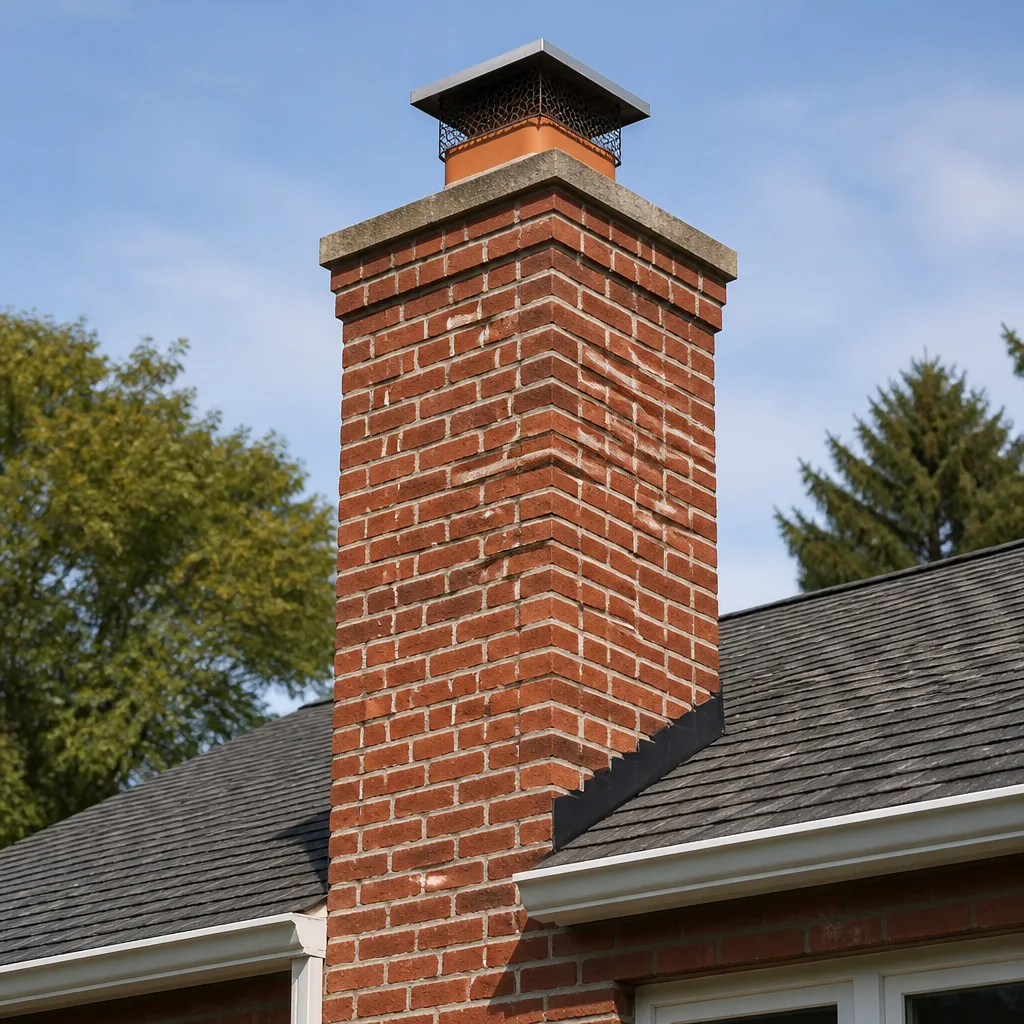 Masonry repair
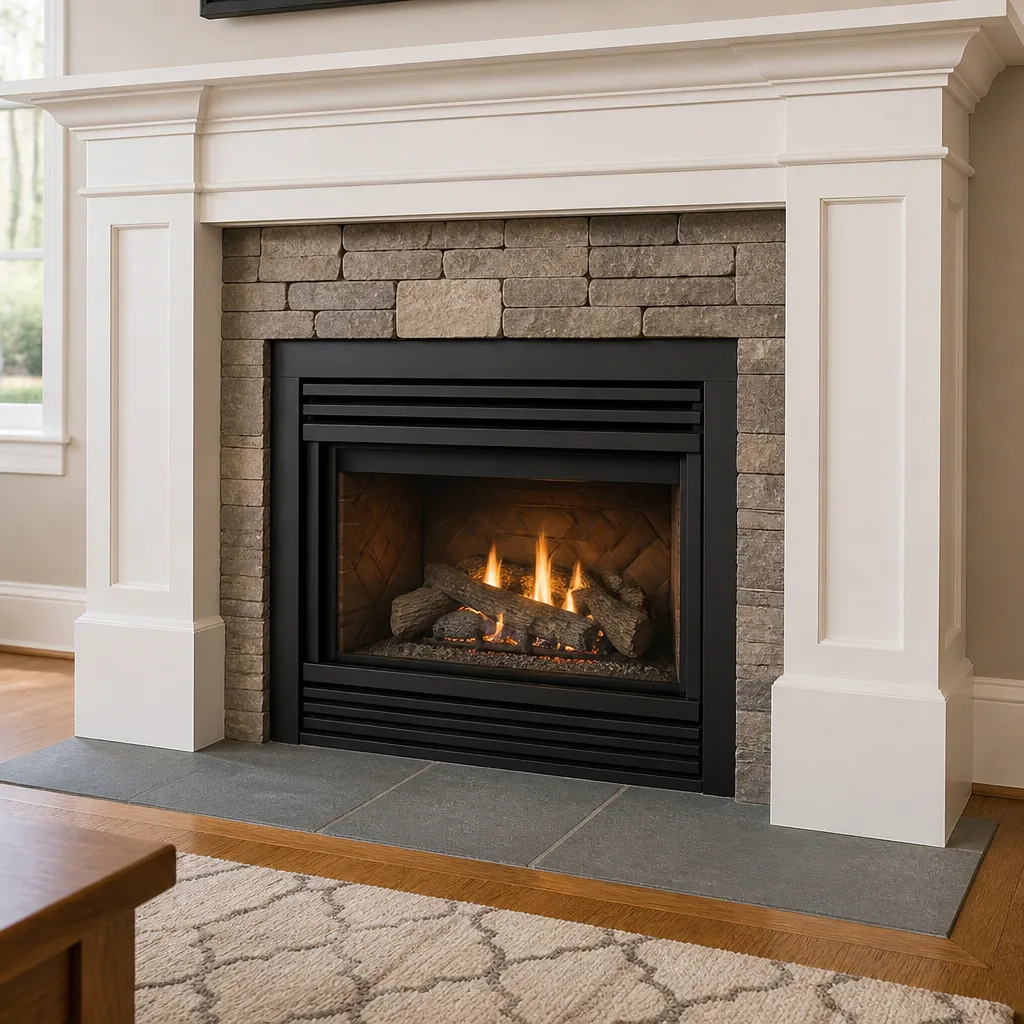 Gas fireplace service
Level 1 sweep and inspection to the NFPA 211 annual standard - flue, crown, cap, and flashing checked and photographed
Chimney sweep logs do not sweep chimneys. They loosen some creosote - which then falls where a brush and vacuum still have to collect it.
DIY vs Professional Chimney Cleaning: The Lubbock Homeowner’s Decision Guide
A chimney brush kit costs about $60 at a hardware store. The camera that shows whether your brush just scraped past a cracked flue tile – the crack that can send embers into an attic – costs thousands and takes training to read. That’s the real tradeoff behind the DIY question. Most homeowners in Lubbock can physically push a brush through a flue. The harder part is recognizing what the brush uncovers. In a city where a lot of housing went up between the 1950s and 1980s with original clay tile liners, what’s hidden in the flue often matters more than the creosote on top of it. This guide walks through what DIY can honestly do, what it can’t detect, and how to decide which path fits your fireplace, your budget, and your risk tolerance.
Quick Answer
DIY chimney cleaning is reasonable for low-use decorative fireplaces, glass cleaning on a gas insert, and a visual check of the exterior cap from the ground. It is not a substitute for a professional inspection, because a brush cannot reveal cracked clay tiles, gaps in a liner, or creosote glazed onto the flue walls – the conditions that actually cause chimney fires. For any wood-burning fireplace in regular use, especially in older Lubbock homes with original tile liners, book a professional sweep and inspection.
Styles & brands we work with
- Sweep & inspection
- Caps & crowns
- Flue relining
- Masonry repair
- Gas fireplace service
Table of Contents
- What DIY Cleaning Can Legitimately Accomplish
- What a Brush Cannot Tell You
- Why Lubbock’s Housing Stock Changes the Math
- How Lubbock’s Wind and Dust Complicate Top-Down Brushing
- When DIY Is the Right Call
- The Insurance and Liability Angle
- The Cost-Benefit Calculation, With Real Repair Scenarios
- What a Professional Sweep and Inspection Involves
What DIY Cleaning Can Legitimately Accomplish
DIY chimney cleaning can remove loose, fluffy creosote from the flue walls and the smoke chamber above the damper. That’s a genuine benefit. If you burn a handful of fires a season and the deposits are soft and flaky, a brush on a rod will knock a fair amount of it down, and you’ll feel the difference in draft. We won’t pretend otherwise. A homeowner with the right rod length, a proper poly brush sized to the flue, drop cloths, and a shop vacuum with a fine filter can do a reasonable surface cleaning.
Here’s what that work includes when it’s done with care:
- Removing soft, stage-one creosote from accessible flue walls
- Clearing soot and ash from the firebox floor and smoke shelf
- Wiping down gas insert glass with a manufacturer-approved cleaner
- Checking the firebox for obvious loose mortar or missing brick at eye level
- Looking up at the damper to confirm it opens, closes, and seals
- Inspecting the exterior cap, screen, and crown from grade level with binoculars
Notice what’s missing from that list: anything inside the flue beyond arm’s reach, anything behind the damper, anything at the top of the chimney above the roofline, and anything involving the condition of the tile itself. Those are the areas where a cleaning turns into an inspection, and inspection is a different skill set from sweeping.
What a Brush Cannot Tell You
A brush tells you the flue is now less coated than it was. It does not tell you whether the flue is intact. Those are separate questions, and the second one is the one that matters for fire safety. Clay tile liners crack. Mortar joints between tiles erode. Over decades of heat cycling, a liner that looked fine from below can have a fracture high up that opens a path for heat and embers into the wood framing of the chimney chase. A brush slides right past it.
These are the conditions a professional inspection with a camera is built to find:
- Cracked or spalled clay tiles – common in mid-century Lubbock homes, especially where the chimney sits on an exterior wall and takes the full summer heat load.
- Gaps at tile joints – mortar that has eroded between liner sections, leaving a direct path to the surrounding structure.
- Glazed stage-three creosote – a hard, tar-like coating that a hand brush won’t remove and that burns hot when it does ignite.
- Offset or misaligned flue sections – a jog in the flue that a straight rod can’t follow and that collects creosote at the transition.
- Deteriorated smoke chamber – the corbelled area above the damper, where turbulence deposits creosote heavily and where a hand brush reaches poorly.
- Blockages from birds, squirrels, or nests – which a top-down look catches and a bottom-up brush may not dislodge cleanly.
Any one of these can take a chimney from “needs a sweep” to “needs repair before the next fire.” The point isn’t that your chimney is dangerous. It’s that you can’t know either way from the bottom of the firebox with a flashlight. When a professional sweep finds a problem, the same visit can often address it – a HeatShield resurfacing to restore a deteriorating liner, for instance, costs far less than a full reline and is a repair many homeowners never hear about because their sweep doesn’t offer it.
Why Lubbock’s Housing Stock Changes the Math
Lubbock grew fast in the decades after World War II, and a large share of the city’s single-family homes were built between the 1950s and the 1980s. Many of those houses still have their original clay tile flue liners. That matters because clay tile has a service life, and heat cycling, moisture, and the occasional chimney fire all shorten it. A 1960s ranch house in a neighborhood like Arnett Benson or Heart of Lubbock may have a liner that has never been camera-inspected in sixty years. The flue could be perfectly sound. It could also have a crack that’s been quietly widening since the Reagan administration.
Newer construction isn’t automatically safer. Homes built in the 1990s and 2000s sometimes have factory-built metal chimney systems with their own failure points – failed gaskets, corroded sections, or incorrect installation by a builder who treated the chimney as an afterthought. Prefabricated systems have specific clearances to combustibles that a homeowner can’t verify with a flashlight.
The practical takeaway: in Lubbock, the age of the house should drive your decision more than the amount of creosote you can see. If your home predates 1990 and you’ve never had the flue inspected, a professional sweep with a camera is the right starting point regardless of how clean the firebox looks. Because we work with trade-trusted brands like Olympia Chimney and Gelco, a sweep that turns up a liner problem doesn’t have to become a scavenger hunt for a second contractor who stocks the right parts. If you’d like to book that first inspection, our chimney sweep in Lubbock page lays out what to expect.
How Lubbock’s Wind and Dust Complicate Top-Down Brushing
If you’ve watched a video of someone sweeping a chimney from the roof, it looked simple. On a calm day, in a damp climate, with a soft broom, it can be. Lubbock is not that place. Steady wind and blowing dust are facts of life here, and both work against a top-down DIY sweep in ways the video never mentions.
Start with pressure. A chimney is a column of air with a draft. When you open the top and start brushing from above, you change the pressure balance inside the flue. Soot and creosote that would normally settle can get pulled into the house rather than falling neatly down to the firebox, especially if a furnace, water heater, or dryer is running and competing for air. On a windy Lubbock afternoon, a downdraft can push the whole mess back into the living room.
Then there’s the dust itself. Fine soot is lighter than you expect and travels farther than you expect. Brushing from the roof with the firebox doors open sends particulate through the house, and it can migrate into an attic through openings around the chimney chase. Once soot is in attic insulation, it’s there to stay – and it’s a respiratory irritant and a mess to clean up.
Sealing the firebox before a top-down sweep helps, and so does waiting for a still morning. But the honest version is that controlling draft, dust, and debris on a roof in Lubbock wind is a skill that comes from doing it repeatedly, and a first-timer on a pitched roof in a gust is taking a real fall risk for a job a professional can do without anyone climbing anywhere unsafe. That’s part of why we sweep from the bottom with a sealed work area and controlled containment – no roof access required on a typical job.
When DIY Is the Right Call
We’re not going to tell you a professional sweep is mandatory for every chimney in the city. There are legitimate DIY situations, and recognizing them saves you money. The pattern is simple: DIY fits when the fireplace is low-use, the fuel is clean, and the condition of the flue isn’t in question.
- A decorative fireplace you light a few times a year. Soft, flaky creosote in a lightly used fireplace can be brushed down by a careful homeowner with the right tools. Keep the firebox sealed, wear a proper mask, and keep the shop vac filter rated for fine particulate.
- Cleaning glass on a gas insert or gas log set. Manufacturer-approved glass cleaner and a soft cloth is a homeowner job all day long. Follow the insert manual for cooldown time and access.
- A ground-level visual check of the cap and crown. Binoculars from the yard tell you whether the cap is missing, the screen is torn, or the crown has a visible crack. That’s useful information and it’s free.
- Keeping up with ash and firebox debris. Regular ash removal between fires cuts down on the load your next sweep has to handle. Use a metal container and let ash cool completely before you touch it.
Notice the common thread: these are all situations where you’re maintaining a chimney you already know is sound, or where you’re only checking something that requires no flue access. The moment you don’t know the condition of the liner, or the fireplace has heavy use, or the house is older and never inspected, DIY stops being a money-saver and starts being a way to defer a question you need answered.
The Insurance and Liability Angle
Homeowner’s insurance is the part of this decision most people never think about until after a loss. A chimney fire claim can be complicated by the absence of maintenance records. Insurers don’t usually require an annual sweep as a condition of coverage, but when a fire happens, the adjuster will ask how the chimney was maintained. If the answer is “we swept it ourselves and never had it inspected,” the burden of proving the chimney was in good condition falls on you, and documentation you don’t have is documentation you can’t produce.
A professional sweep gives you a paper trail: a date, a description of what was found, a camera report with photos, and a record of any repair. That record does two things. It demonstrates routine maintenance, which supports a claim. And if a professional ever flags a defect you chose not to repair, you know about it – which is information you’d rather have before a fire than after one.
A few practical points:
- Keep your sweep and inspection reports. A folder of dated reports is the simplest maintenance record there is.
- If a professional recommends a repair, get it in writing and keep the estimate even if you wait on the work.
- Check your policy language about wood-burning appliances specifically. Some policies have endorsements that address fireplace use.
- If you’re selling the home, a recent inspection report answers buyer questions before they become negotiation leverage.
We can work with your insurer on documentation when a claim or a pre-claim inspection comes up. What we can’t do is manufacture a service history that doesn’t exist, so the earlier you start a record, the better it serves you.
The Cost-Benefit Calculation, With Real Repair Scenarios
Here’s where the DIY argument usually gets decided: on the math. A brush and rod kit runs roughly $60 to $150 depending on rod length and brush size. A professional sweep typically runs $150 to $350 for a standard flue, more if the chimney is complex or heavily soiled. On a single year, DIY looks like a clear win. Stretch it across five or ten years and the comparison changes, because the thing you’re really paying for with a professional visit is detection, not brushing.
Consider how repairs scale in Lubbock homes:
- A deteriorating but intact liner can often be restored with a HeatShield resurfacing application rather than a full reline. That keeps the repair in the hundreds of dollars instead of the thousands, and it’s the kind of option a sweep-and-go operation won’t offer because they don’t carry the material.
- A cracked tile section or a failed factory-built section usually calls for a reline, which is a larger job. Catching it early keeps it in the reline category instead of the structural repair category.
- A creosote-glazed flue needs a more thorough cleaning before it’s safe to burn again. Left alone, glazed creosote is the fuel load behind the most severe chimney fires.
- A dryer vent that’s never been cleaned is a separate fire hazard in the same house. Lint accumulation behind the dryer is a leading cause of home fires, and most chimney-only companies don’t touch it. We handle dryer vent cleaning alongside chimney work because it belongs in the same annual safety conversation.
The pattern holds across all four: the earlier the problem is found, the cheaper it is to fix. DIY defers the finding. That’s the cost that doesn’t show up on the receipt. If you add up the odds – an original clay liner in a 1960s Lubbock home, a decade or two of uninspected use, and a repair that grows in scope the longer it waits – the professional sweep is usually the cheaper path, not the more expensive one.
What a Professional Sweep and Inspection Involves
A professional sweep and inspection follows a sequence that’s designed to answer questions, not just remove soot. We inspect first, sweep second, and inspect again – so nothing gets hidden by the cleaning and nothing gets missed because of it. Our technicians have up to 12 years of experience, and the process is consistent from job to job.
- Interview and setup. We ask what you burn, how often, and whether you’ve noticed smoke roll-out, weak draft, or odors. Then we lay drop cloths and seal the firebox so the work area stays contained.
- Camera inspection. A flue camera goes up the chimney to record the liner’s condition from the firebox to the top. You see the footage. That’s the whole point – we want you looking at the same tiles we are.
- Sweeping. We brush the flue with the right tools for the deposit type, then clean the smoke chamber, smoke shelf, damper, and firebox. Glazed creosote gets the heavier treatment it needs.
- Second inspection and photo report. We re-check the flue after cleaning and put together a report with photos, findings, and recommendations. The report is yours to keep.
- Repair conversation, if needed. If the camera found a liner issue, we explain the options – resurfacing with HeatShield, relining with DuraFlex, or simply monitoring a minor issue. Nothing gets recommended without the photographic evidence in front of you, and we’ll tell you plainly when a repair can safely wait.
If you’d like to see what a sweep looks like in the city, the chimney sweep page walks through it, and there’s more about how we work across Lubbock on our service area page. The flat price is agreed before we book, the estimate is free, and there are no surprise line items added on the day.
Common Mistakes to Avoid
- Judging the flue by the firebox. A clean-looking firebox says nothing about the liner above it. Most Lubbock liner problems we find sit well above the damper where a flashlight from below never reaches.
- Brushing from the roof on a windy day without sealing the firebox. Lubbock’s wind can turn a top-down sweep into soot distributed through the house and into the attic. Seal the firebox, and if you’re not confident in the draft situation, don’t go up.
- Assuming gas fireplaces need no attention. Gas inserts still have a flue, a venting path, and a glass front that needs cleaning. A blocked or deteriorated vent on a gas appliance is a carbon monoxide concern, not a creosote one.
- Ignoring the dryer vent because the chimney got all the attention. Lint buildup is a fire hazard with its own annual schedule. If your dryer takes two cycles to dry a load, the vent is telling you something.
- Treating a chimney company’s “you need a full reline” as gospel without seeing evidence. Ask for the camera footage. If a liner really needs replacing, the photos will show why, and if it can be resurfaced instead, that’s a conversation worth having.
- Burning unseasoned or “free” wood to save money. Wet wood creates more creosote per fire than dry wood, so the savings cost you in flue condition. Seasoned hardwood burns cleaner and leaves less behind.
- Letting a decade pass between inspections because nothing has gone wrong. Nothing going wrong is the goal, and the inspection is how you find out it’s still true. A chimney that’s never had a problem still needs a look, especially past the ten-year mark on the liner.
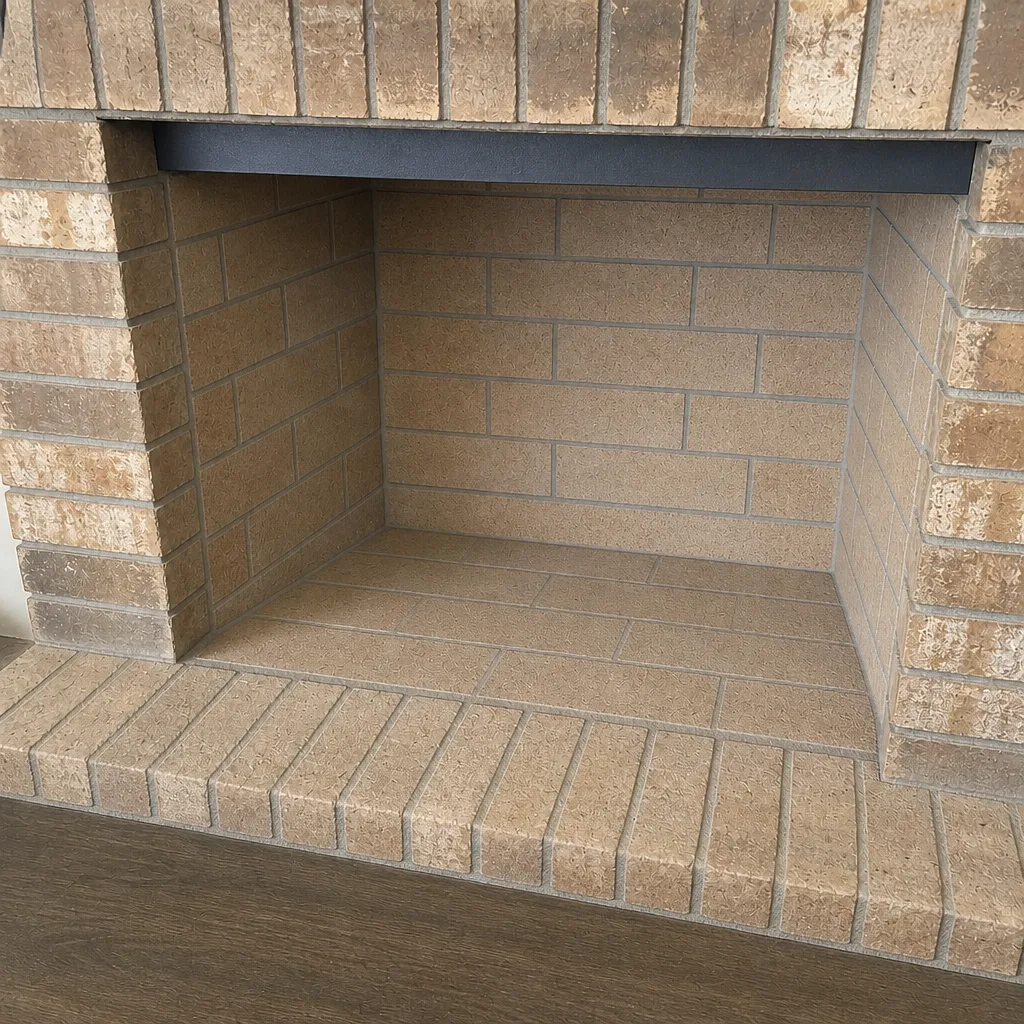
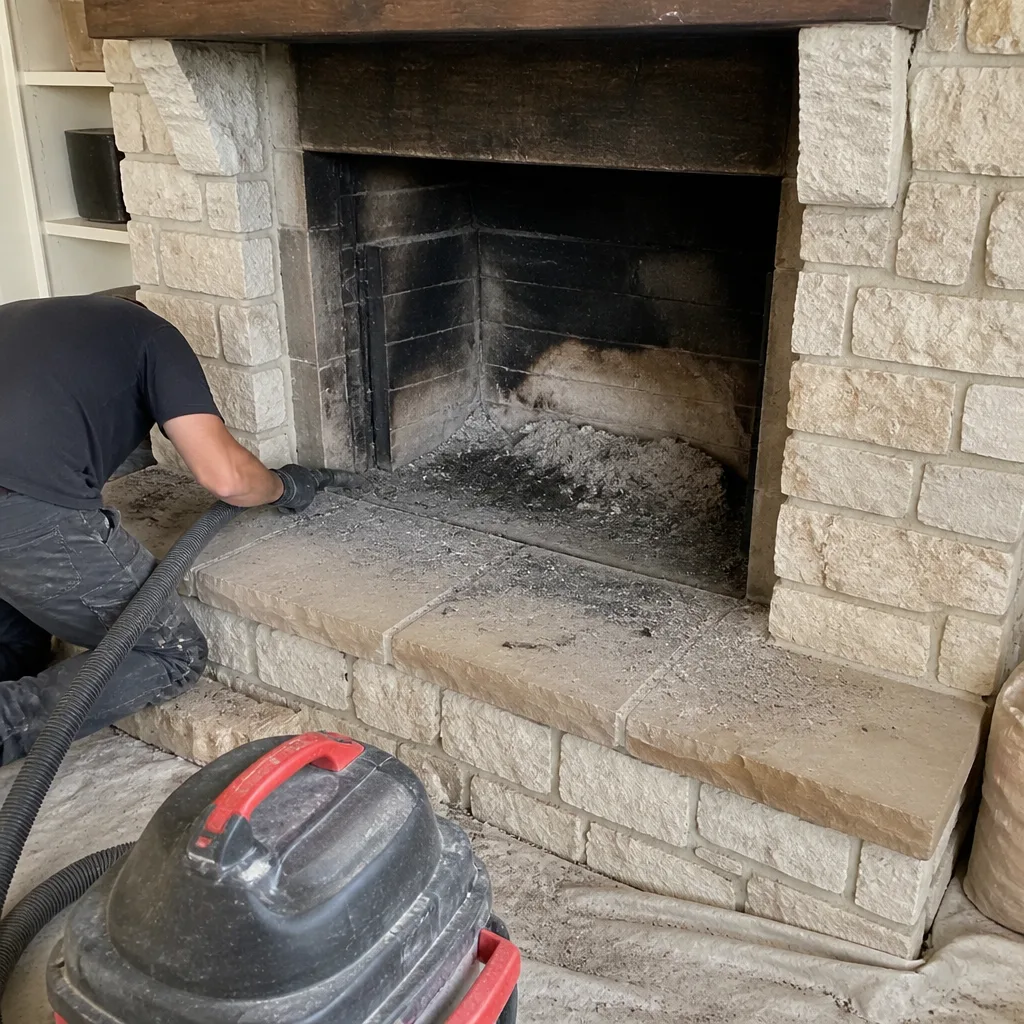
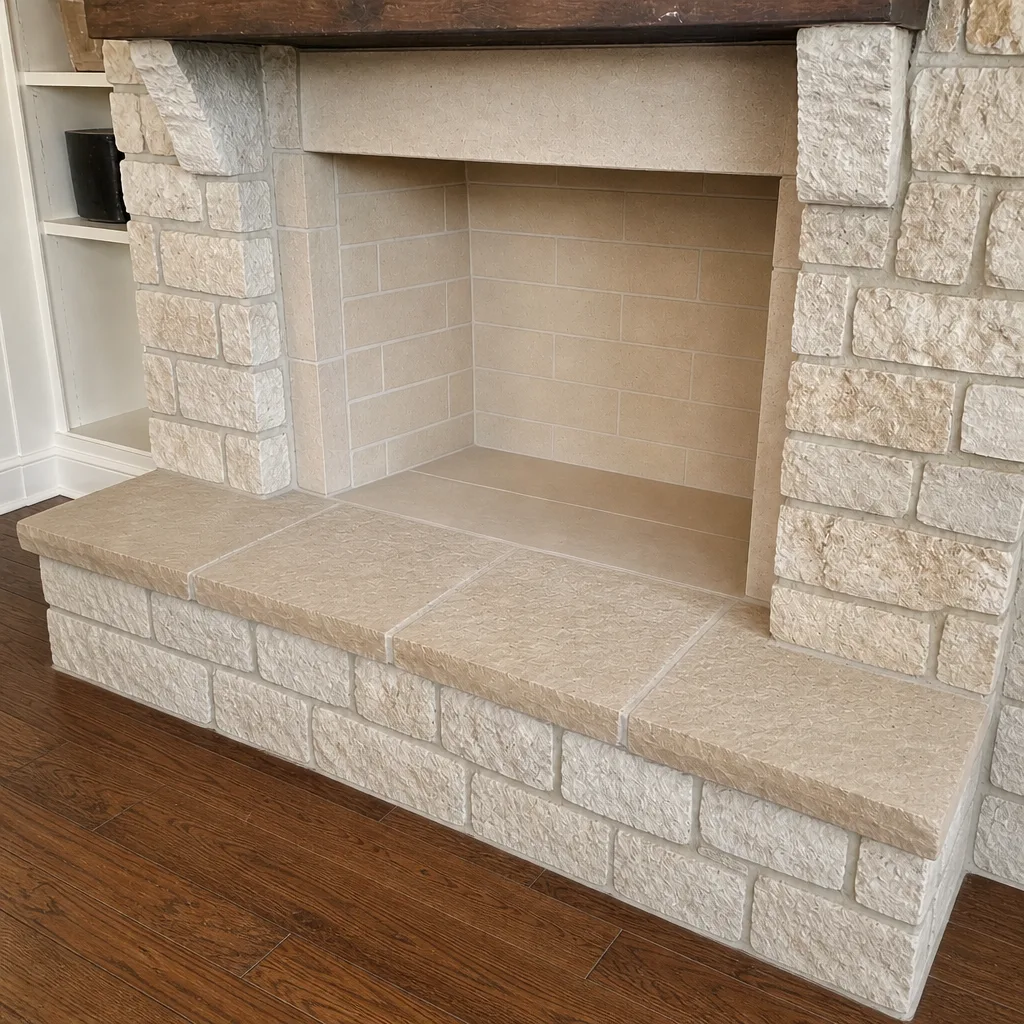
See the difference
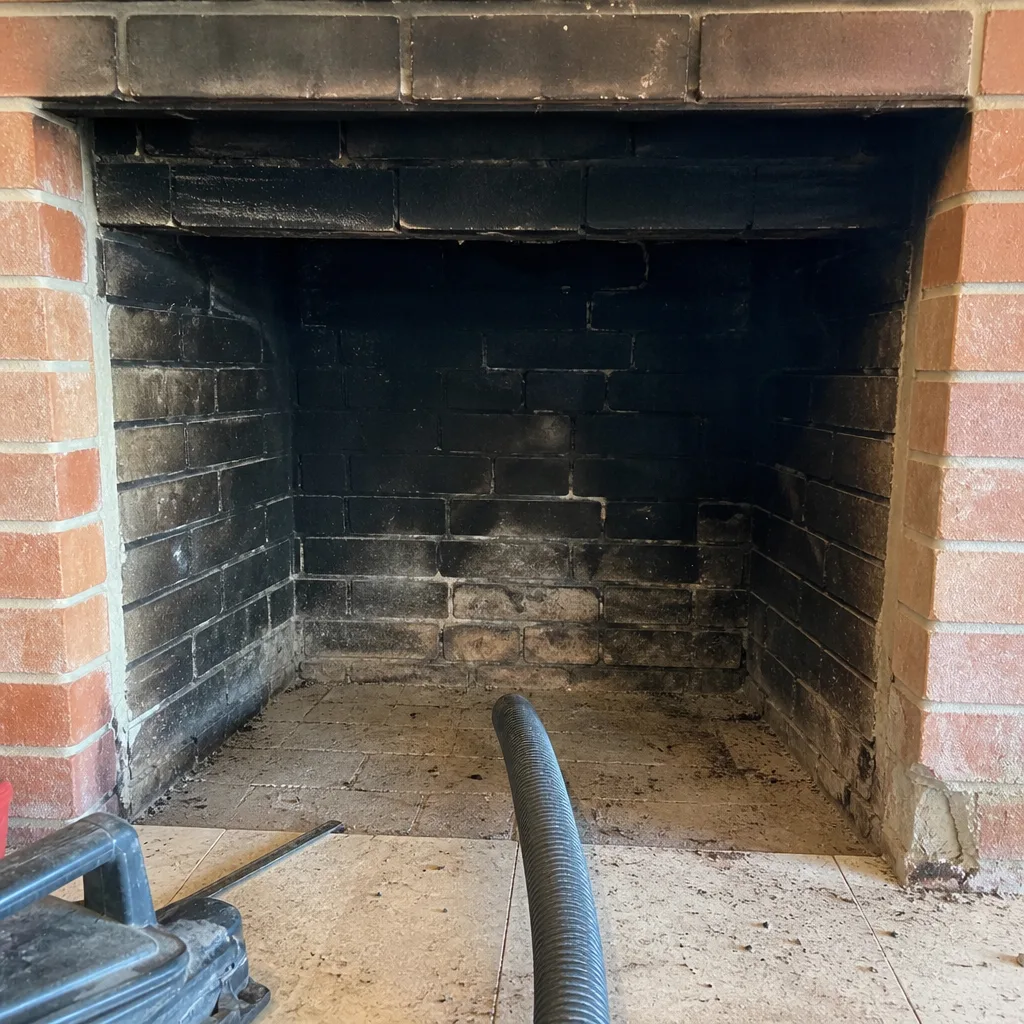 Before
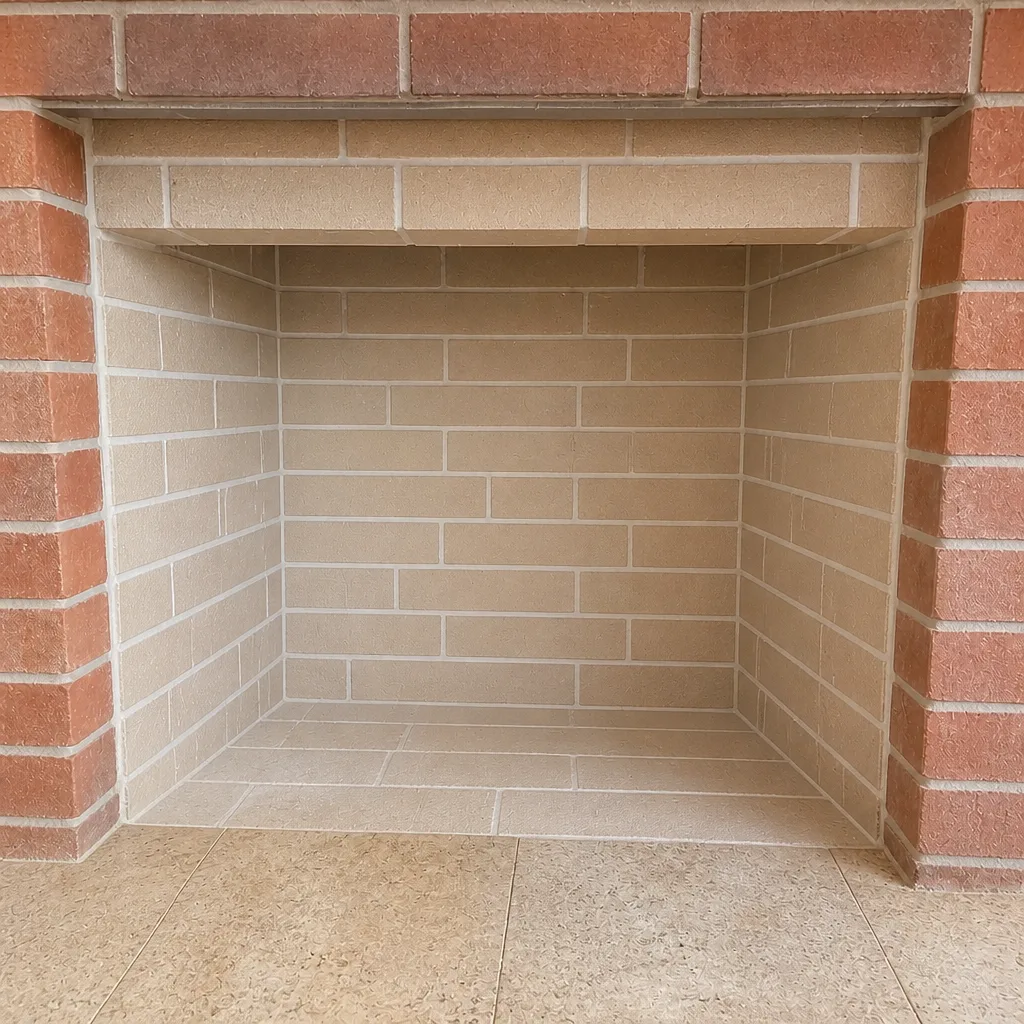 After
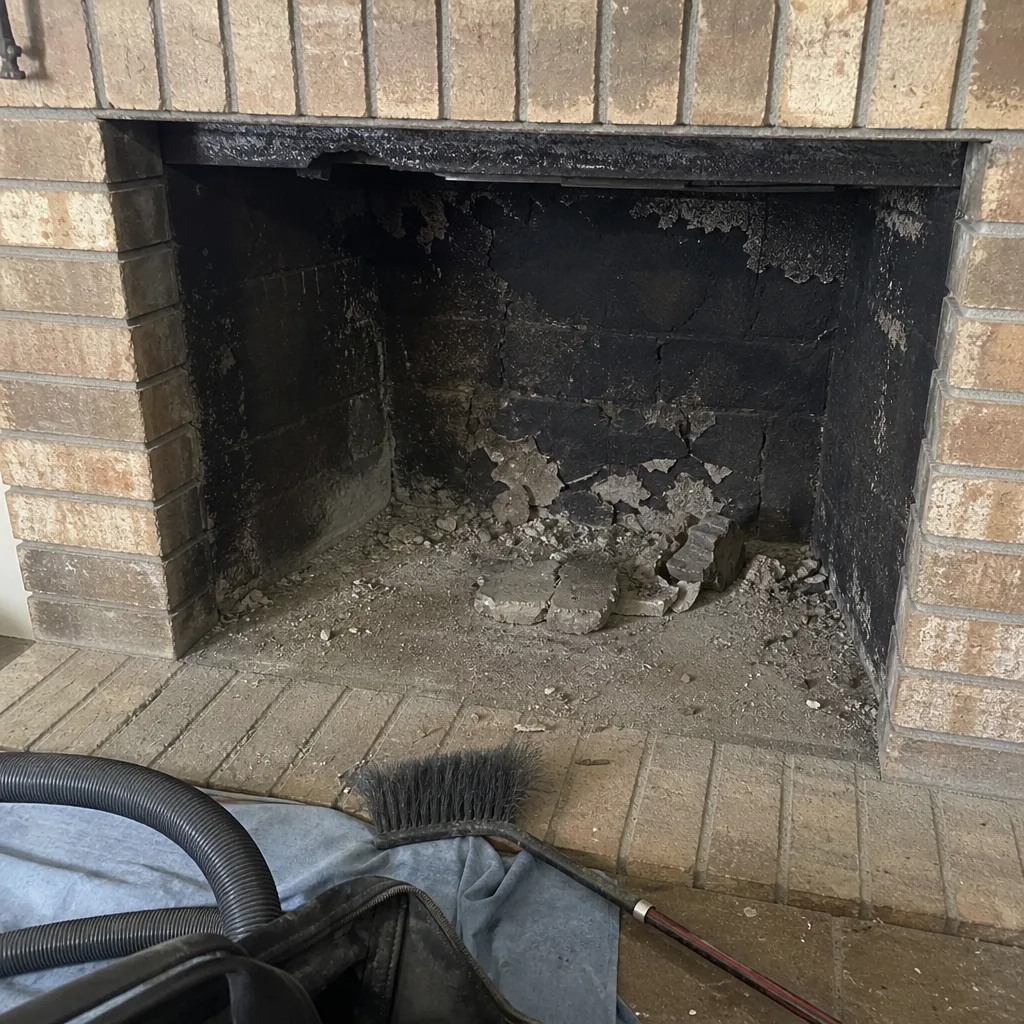 Before
 After
 Before
 After
When to Call a Professional
Call a professional if your home was built before roughly 1990 and the flue has never been inspected. Call if you burn wood regularly and can’t remember the last sweep. Call if you’ve noticed smoke rolling into the room, a weak draft, a chemical smell from the fireplace, or creosote staining around the damper. Call if you’ve had a chimney fire, even a small one you think you put out. Call if your gas insert shows any venting issue or you haven’t had the venting checked. And call if you’re buying or selling a home with a fireplace and want an independent read on the chimney’s condition. Chimney Sweep Lubbock offers free estimates in Lubbock – call (855) 617-0455. We answer 24/7, with fast dispatch from 7am to 7pm, Sunday through Friday.
Frequently Asked Questions
A standard professional sweep in Lubbock typically runs $150 to $350, depending on flue length, soiling, and whether the chimney has complex offsets or a factory-built system. That range generally includes a camera inspection and a photo report; the written estimate sets the final price before we book. Call (855) 617-0455 for an exact quote – estimates are free.
You can clean the accessible portions yourself if your fireplace is low-use and the flue is known to be sound, but you can’t inspect the liner with a brush. Cracked tiles and eroded joints are invisible from the firebox, and those are the conditions that cause fires. For a wood-burning chimney in regular use, a professional inspection once a year is the safer plan.
The standard guidance is once a year for a wood-burning fireplace in regular use, and more often if you burn heavily or notice heavy creosote buildup. A gas insert should have its venting checked annually too, even though it produces no creosote. Annual timing also builds the maintenance record your insurer will want to see.
You need a new liner only when the camera shows the existing one has failed – cracks through the tile, eroded joints, or a factory-built section that’s corroded through. Sometimes a deteriorating liner can be restored with HeatShield resurfacing instead of a full replacement, which costs less. Ask to see the footage before you decide.
Skipping a single year on a lightly used fireplace usually means a slightly heavier cleaning next time, not an emergency. Skipping several years on a home with an older clay liner means a liner problem could progress unnoticed. The real risk is a chimney fire igniting glazed creosote or heat reaching the framing through a crack you never knew was there.
Yes, for a different reason than a wood fireplace. Gas inserts produce no creosote, but their venting can deteriorate, block, or leak, and a venting problem on a gas appliance means carbon monoxide can enter the home. The annual check is a safety inspection, not a cleaning.
Yes. Dryer vent cleaning is part of our regular work, and it makes sense to handle it on the same visit as the chimney sweep. Lint buildup behind the dryer is a leading cause of home fires, and it’s the kind of hazard that a chimney-only company doesn’t address at all.
We work with DuraFlex, HeatShield, Gelco, Olympia Chimney, Famco, and Copperfield – professional-grade brands not sold to general handymen. The reason matters: a reline or resurfacing is only as good as the material, and we want the repair on your chimney to be the one the trade actually trusts.
The Bottom Line
DIY chimney cleaning is a real option for a low-use decorative fireplace, gas glass cleaning, and a ground-level look at your cap. It is not a substitute for an inspection, because a brush cleans the flue without evaluating it, and in Lubbock’s older housing stock the condition of the liner matters more than the creosote on it. The money you save on a DIY year is real. The risk you take is deferring a repair that gets more expensive the longer it waits, and losing the maintenance record your insurer asks about after a fire. If your home is older, your fireplace gets regular use, or the flue has never been inspected, the professional path is the cheaper one across a decade. Call (855) 617-0455 for a free estimate. We answer 24/7, with fast dispatch from 7am to 7pm, Sunday through Friday.
Written by the team at Chimney Sweep Lubbock.