
Last updated November 15, 2026
 Sweep & inspection
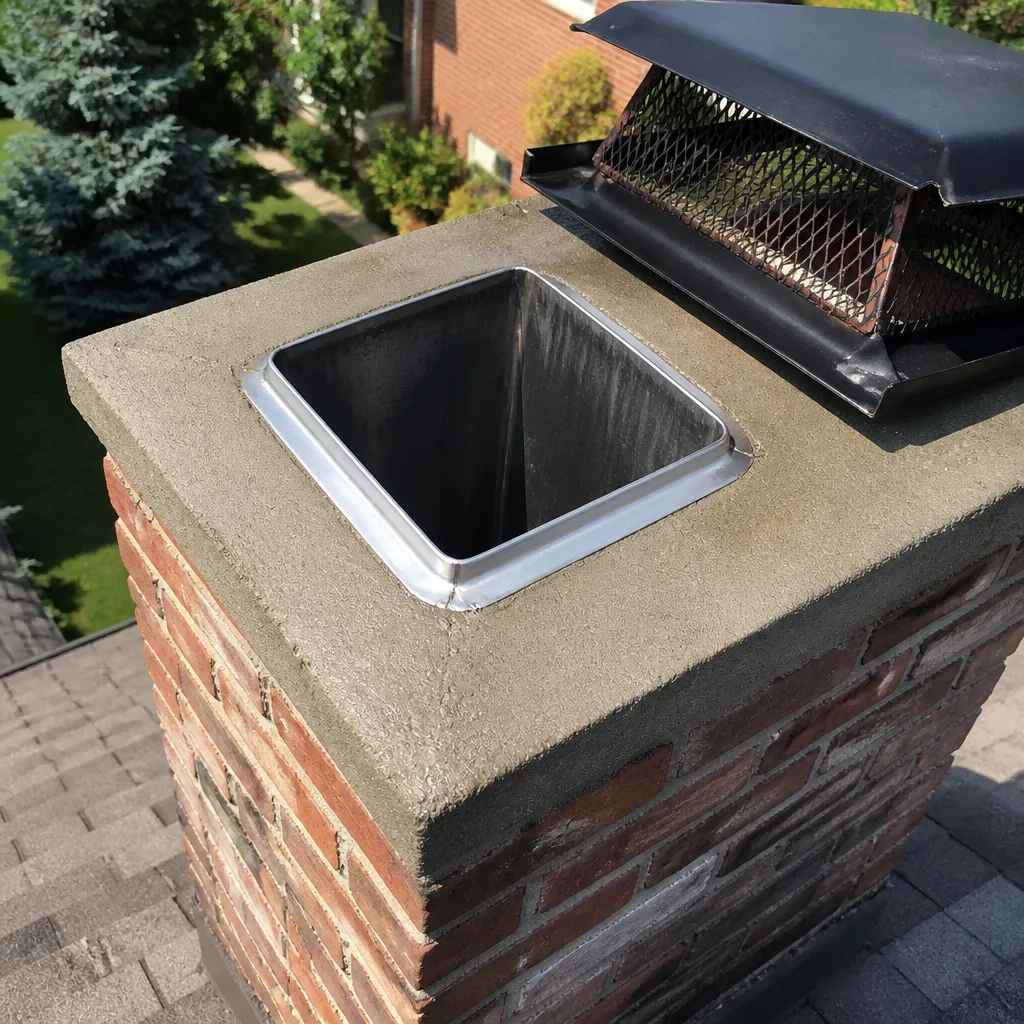
 Caps & crowns
 Flue relining
 Masonry repair
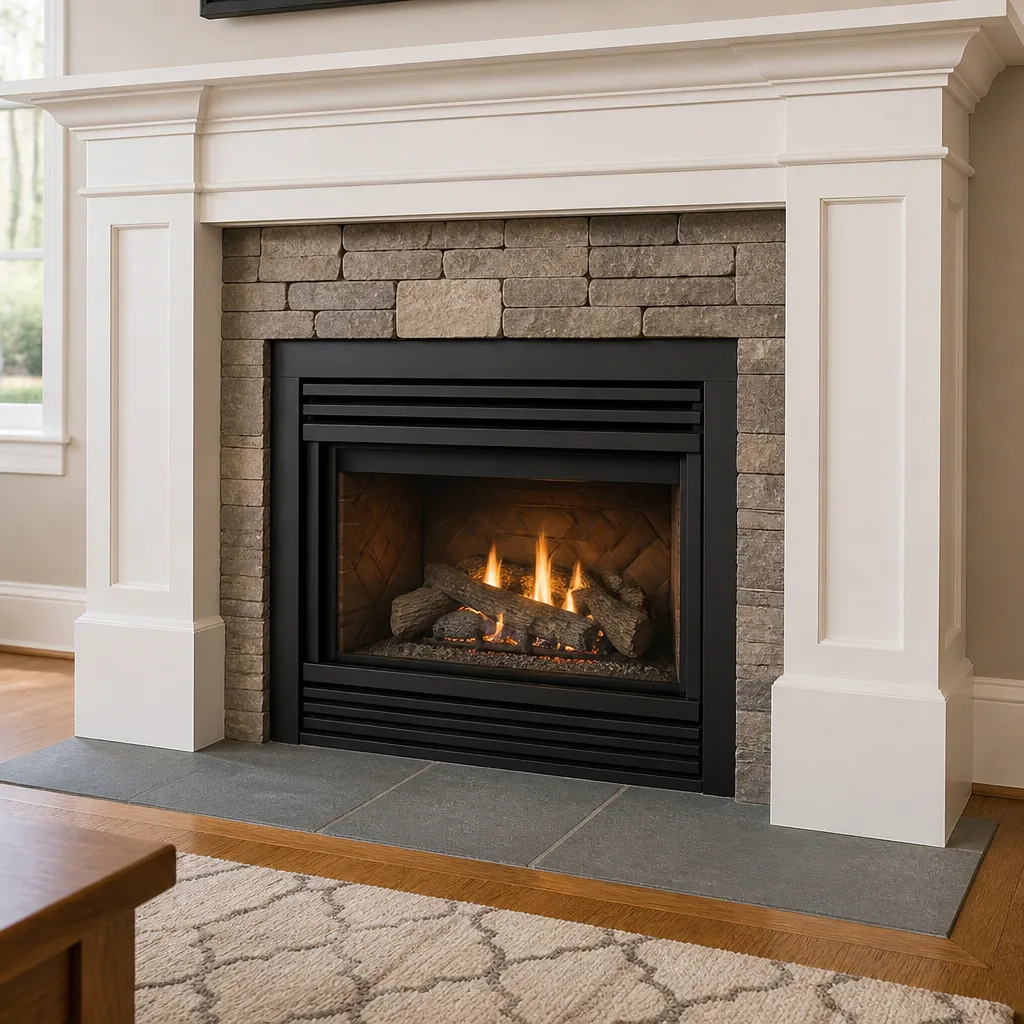 Gas fireplace service
Level 1 sweep and inspection to the NFPA 211 annual standard - flue, crown, cap, and flashing checked and photographed
Chimney sweep logs do not sweep chimneys. They loosen some creosote - which then falls where a brush and vacuum still have to collect it.
Seasonal Chimney Cleaning Care for Lubbock: Year-Round Homeowner’s Guide
If you only think about your chimney when you want to light the first fire of October, you’ve already missed the two most important maintenance windows of the year for a Lubbock home. Most chimney advice is written for cold, wet climates with long winters and heavy snow, and it doesn’t fit a place that bakes at triple digits in July, gets sandblasted by spring dust storms in April, and then packs a full winter’s worth of fireplace use into a short October-to-February stretch. Here’s what that mismatch costs you, and how a year-round approach actually works in Lubbock.
Quick Answer
In Lubbock, chimney care is a four-season job, not a fall chore: the highest-value inspection window is late spring (May and June), right after dust storm season and before summer heat peaks; summer is when you check caps, crowns, and flashing for West Texas sun damage; fall is when you verify the damper and smoke shelf before heating season; and winter is your active-use period when creosote builds fastest because the season is so compressed. A yearly sweep plus one post-storm inspection after a hail event covers almost every Lubbock home.
Styles & brands we work with
- Sweep & inspection
- Caps & crowns
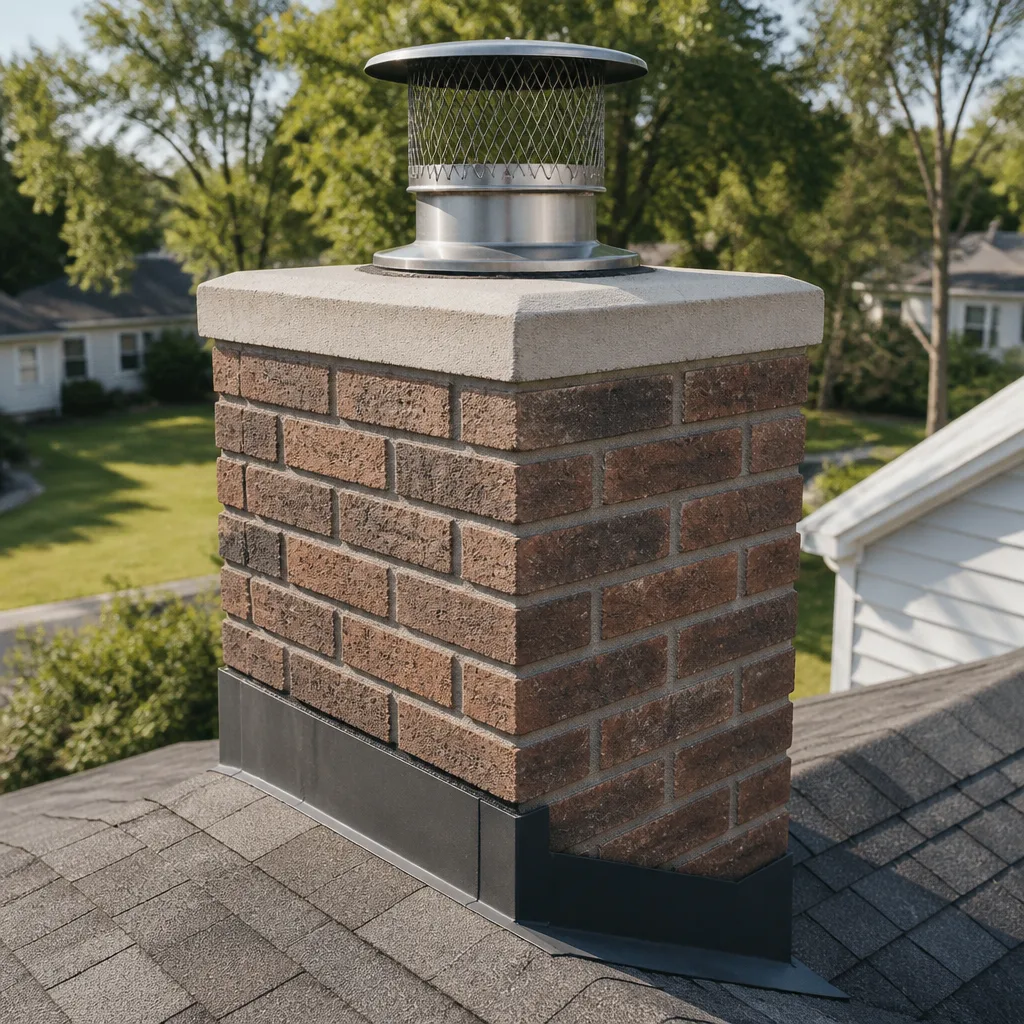
- Flue relining
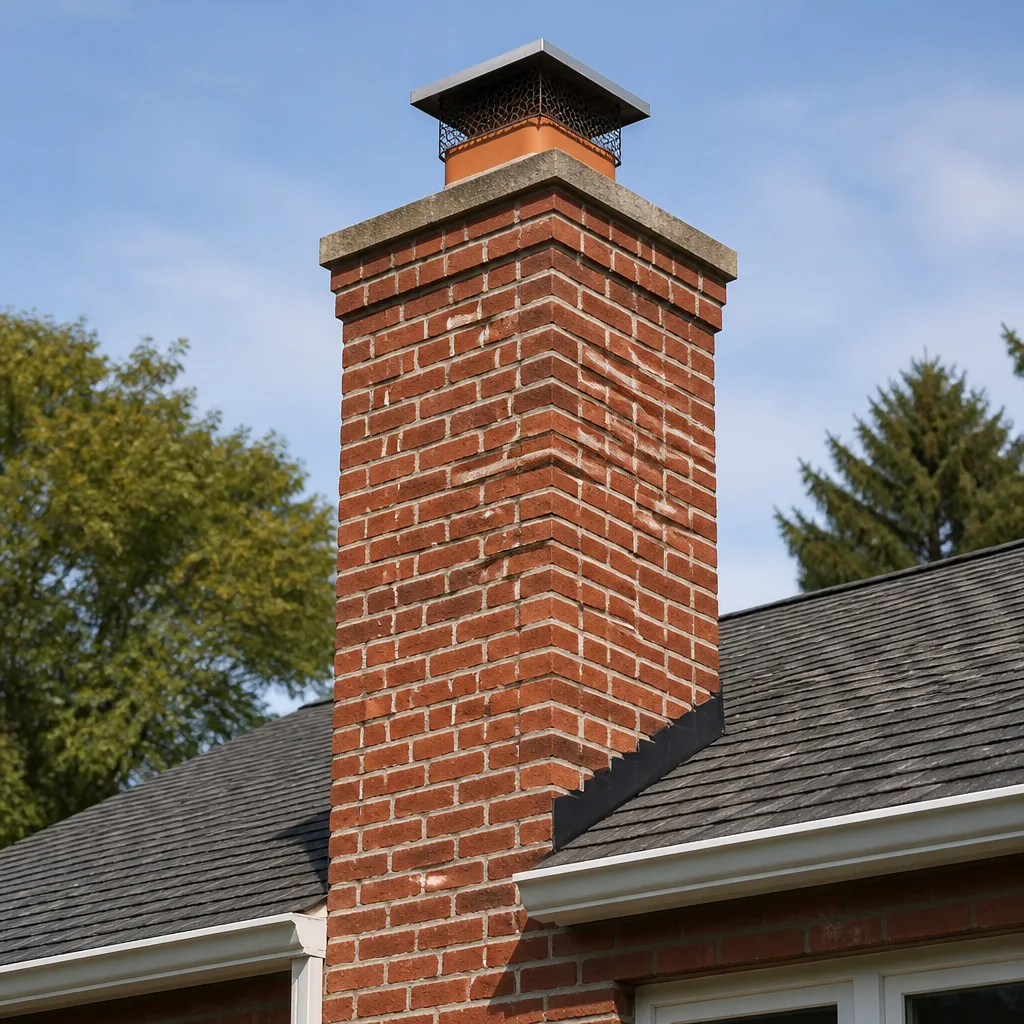
- Masonry repair
- Gas fireplace service
Table of Contents
- Why Lubbock’s Chimney Calendar Doesn’t Follow the National Rhythm
- Spring: Post-Storm Season Is Your Highest-Value Inspection Window
- Summer: What 100°F Heat and UV Do to Chimney Caps and Crowns
- Fall: Beyond Sweeping – Dampers, Smoke Shelves, and Prep
- Winter: The Compressed Heating Season and Creosote Buildup
- Using Hail Season as a Level 2 Inspection Trigger
- A Simple Year-Round Maintenance Schedule
- Common Mistakes to Avoid
Why Lubbock’s Chimney Calendar Doesn’t Follow the National Rhythm
Most chimney-safety guidance in the United States assumes a long, wet winter: cold air, snow sitting on the cap, and a heating season that stretches from September to April. That model doesn’t describe Lubbock. A Lubbock heating season is short and intense. You might not run the fireplace much in September or March, but the weeks between late October and February carry almost all of your annual burn time. When you burn that hard in a narrow window, creosote accumulates faster per month of use than it does in a climate where the fire runs steadily, gently, over six or seven mild months.
Meanwhile, the other eight months of the year are doing their own kind of wear to the chimney system. Spring dust storms from the west coat the outdoor assembly with fine grit that finds its way into caps, screens, and the joints where flashing meets the roof. Summer sun bakes the cap, crown, and flashing at temperatures that push past 100°F on the roof surface. And the first cool night of fall is exactly when most homeowners discover their damper won’t seat, because debris accumulated over a dry summer.
Put those together and you get a climate where the chimney has active maintenance needs in every quarter, not one season. A chimney sweep in Lubbock who treats this as a once-a-year fall appointment is going to miss problems that a four-season rhythm catches. Our technicians have up to 12 years of experience, and the pattern is consistent: homes that get inspected in late spring and prepped in early fall have fewer surprises than homes that only book a sweep in October.
Spring: Post-Storm Season Is Your Highest-Value Inspection Window
Late spring is the single best time of year to inspect a chimney in Lubbock, and it isn’t close. By late May, dust storm season has ended, the cremains of winter’s burn have settled, and the next three months of intense summer heat haven’t started stressing your masonry yet. If you book one inspection a year, book it in May or June.
Here’s what a spring inspection is looking for, in order:
- Post-winter creosote load inside the flue. A compressed heating season leaves more buildup than most homeowners expect, and it should be swept before summer so it doesn’t sit and glaze onto the liner through the heat.
- Dust and grit in the firebox and smoke chamber from spring winds, which can restrict draft and give you an early-fall smoke problem you don’t understand until you light a fire.
- Outdoor assembly after dust season: the cap, spark screen, and the joints around the flashing. Fine grit lodges in screens and loosens mortar over time, and the damage is easy to miss from ground level.
- Crown and top-seal integrity, so the summer heat has a clean slate to work against rather than an existing hairline crack that heat will widen.
- Damper operation and smoke shelf, since these are the two components that tend to stick and collect debris in the dry months.
Spring is also when you want to catch anything that needs repair while the chimney isn’t in use. A flue liner that’s starting to deteriorate at a joint is far easier to resurface with HeatShield in June than to deal with in November when you actually want to light a fire. We use professional-grade materials from trade-trusted brands like Olympia Chimney and Gelco for exactly this reason: the repair happens now so the problem doesn’t become a structural emergency later.
One more reason to book spring: it spreads out the cost. A post-winter sweep in May or June is a much easier budget line than a fall emergency inspection that turns into a repair. And the written estimate sets the price for the job, so you know the full scope before anything begins.
Summer: What 100°F Heat and UV Do to Chimney Caps and Crowns
Lubbock summers are hard on the exterior of a chimney. The parts that see the most sun are the ones that fail first, and they fail silently because most homeowners never climb onto the roof to look.
What the summer actually does to the outdoor assembly:
- Chimney caps: metal caps expand in the heat and contract at night, which works loose the fasteners holding them down. A cap that lifts slightly is fine in summer and catastrophic in a fall windstorm. UV also breaks down any sealant around the cap over time.
- Crowns: the concrete or mortar top of the chimney takes direct sun all day. Small surface cracks widen through the summer. Once a crown cracks through, water gets into the masonry below it the first time it rains, and the damage moves inward.
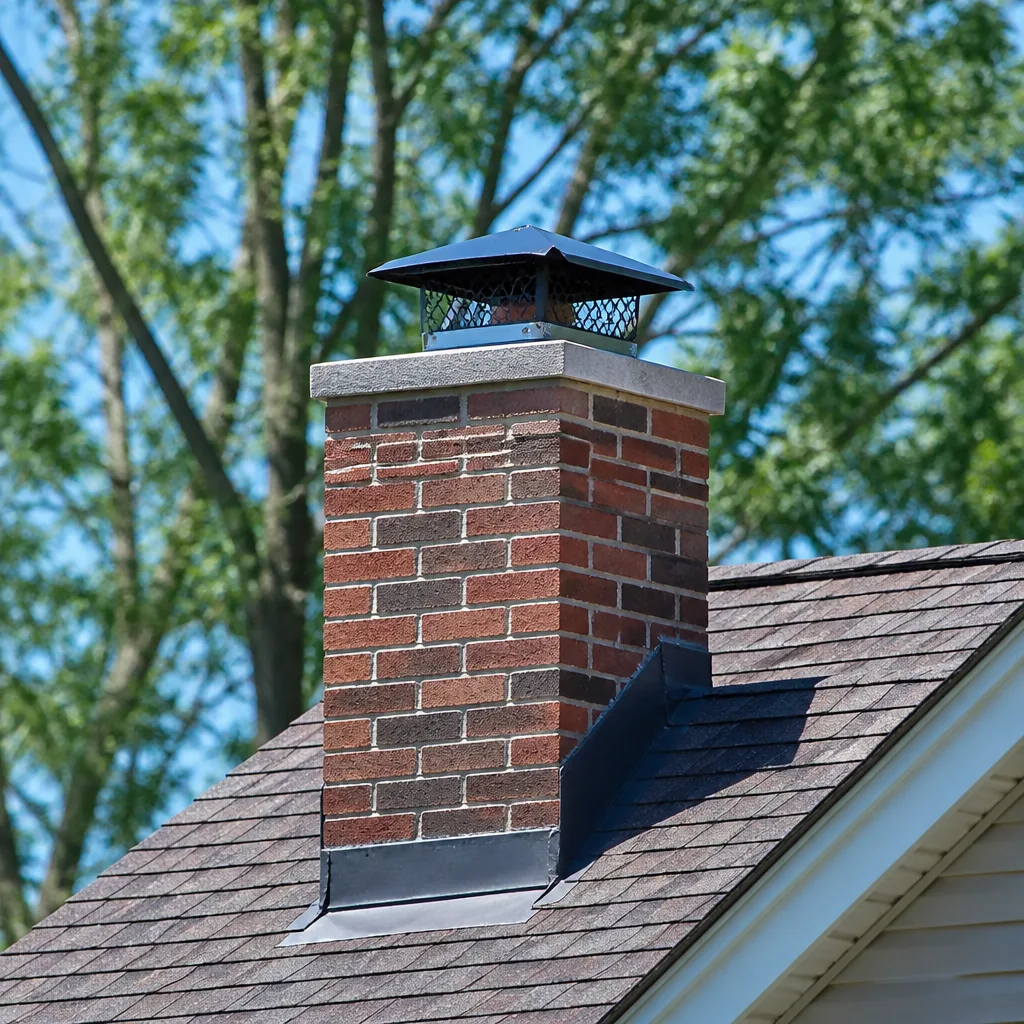
- Flashing: the metal or membrane that seals where the chimney meets the roof expands and contracts with the roof surface. UV degrades the sealant around flashing joints, and once that sealant fails, water tracks down into the attic and the ceiling.
- Masonry above the roofline: mortar joints dry out and become friable in the heat. Bridging cracks at the mortar line are common on Lubbock roofs in July and August.
You can check some of this from the ground with binoculars, and we recommend it. Look for a cap that’s tilted, a crown with visible cracks, dark streaks on the masonry, or anything that looks like it’s pulling away from the roofline. If you see any of that, get it on the schedule before fall. A cap replacement or a crown repair in summer is straightforward. The same problem in November, when you actually want to burn, is an interruption you don’t want.
Summer is also the right time to book dryer vent cleaning if you haven’t had it done recently. Lint buildup in a dryer vent is a fire hazard year-round, and the summer months are the easiest time to fit it in without disrupting your heating season. It’s a service most chimney-only companies don’t offer, and the safety case for it is just as strong as the case for a chimney sweep.
Fall: Beyond Sweeping – Dampers, Smoke Shelves, and Prep
Most homeowners think fall chimney care means a sweep. A sweep is important, but the components that actually determine whether your first fire of the season goes well are the damper and the smoke shelf, and those need to be checked against the summer’s debris accumulation, not just the flue’s creosote load.
A complete fall prep covers these pieces:
- Damper seating. The damper is the metal plate above the firebox that you open before you light a fire and close afterward. Over a dry summer, grit and dust from Lubbock’s winds settle around the damper frame, and the plate stops sealing tight. You’ll notice it as a drafty fireplace in the off months, or as smoke that doesn’t draw cleanly once you start burning.
- Smoke shelf clearance. The smoke shelf is the ledge just behind the damper that redirects smoke up the chimney. When debris collects on it, the smoke doesn’t have a clean path, and you get backdrafting or a fire that smolders. Clearing it is part of a proper sweep.
- Cap and screen inspection. Confirm the cap is seated and the spark screen is intact after summer heat and any early-fall wind.
- Flue condition. Confirm the liner is sound and the creosote has been removed before you start burning consistently.
- Firebox mortar. Check the mortar joints in the firebox for cracks or separation after a season without use.
If any of these need repair, this is the window to get it done: the weather is mild, the schedule has more room, and you’re months away from needing the fireplace daily. Gelco products are our go-to for damper and firebox components when a replacement is needed, because the fit and the material hold up to the heat cycles of a Lubbock winter.
If you can only do one thing in the fall, do the damper-and-smoke-shelf check before you sweep. It’s the most common cause of a fire that won’t draw on the first cold night, and it takes longer to diagnose once you’re cold and impatient.
Winter: The Compressed Heating Season and Creosote Buildup
Lubbock’s heating season is short and busy. That concentration is what makes creosote such a real concern here in a way it isn’t in a mild coastal climate. Creosote forms when wood smoke cools before it exits the chimney, and it forms faster when you burn often in a short period, burn wood that isn’t well-seasoned, or run the fireplace at low, smoldering temperatures for long stretches. All three happen more in a compressed season.
During winter, watch for these signs that something needs attention:
- Smoke that rolls back into the room instead of going up, especially on cold mornings.
- A draft that feels weak even with the damper fully open.
- A strong, sharp smell of smoke in the house after the fire is out.
- A fire that won’t stay lit, or that burns dully with lots of smoke.
- Visible cracking or flaking inside the firebox or at the smoke chamber.
Any of those means you should stop burning and book an inspection. What you don’t want is to keep lighting fires on top of creosote you can’t see. A chimney fire is not something you want to gamble on, and the warning signs are almost always there before one happens.
If your fireplace is gas rather than wood-burning, your winter needs are different but not lighter. Gas fireplaces still need an annual inspection of the venting and the firebox, and they can develop debris and moisture problems over a dry summer just like wood-burning units. Ask for the gas-specific inspection when you book.
Using Hail Season as a Level 2 Inspection Trigger
Spring hail is a fact of life in Lubbock, and it’s the single best reason to get a camera inspection after any significant storm. A Level 2 inspection uses a camera to see inside the flue, into the smoke chamber, and along the liner, and it tells you what the hail actually did.
Where hail damage shows up most often:
- Crown: hail hits the top of the chimney first and hardest. Chipped or pitted concrete on the crown is the most common hail mark. Small chips become cracks once water gets into them and the next summer’s heat expands the moisture.
- Cap: dents, dings, and loosened fasteners. A hail-dented cap is usually still functional, but a cap that’s been knocked slightly out of square can let water and birds in over time.
- Flashing: hail rarely punches through flashing, but it can dislodge the sealant around the edges. That’s a sneaky water intrusion path.
- Flue and liner: this is where you need the camera. Hail can crack a clay flue liner from the outside, and you can’t see that from the firebox. That’s why a Level 2 inspection is the right call after a major spring storm rather than a visual check from the roof.
One important distinction: a damaged crown and a damaged flue look similar from the ground but need very different repairs. A cracked crown is a masonry top-seal job. A cracked or deteriorated flue liner is a resurfacing or relining job, and it needs to be handled before you burn again. A camera inspection is the only reliable way to know which is which, and it’s why we do a photo report with every inspection so you can see exactly what we saw.
A Simple Year-Round Maintenance Schedule
If you want one page to put on the fridge, this is it. Here’s how a year-round chimney maintenance schedule looks for a Lubbock home:
- Late May or early June: annual sweep and Level 2 inspection, plus a camera check if there’s been a significant spring hail event. This is the most important appointment of the year.
- July or August: exterior check from the ground (cap, crown, flashing). Book any repairs the inspection flagged so they’re done before fall. Add dryer vent cleaning if it’s been a year.
- Late September or early October: damper and smoke shelf check, cap and screen confirm, and a flue condition certification before the first fire.
- December or January: mid-season glance at creosote buildup if you’re burning heavily. If you notice any of the warning signs from the winter section, stop and get an inspection.
- March or April: post-heating-season sweep if you burned heavily through winter. This clears the creosote before spring dust settles into it.
Two appointments a year covers most Lubbock homes: a late-spring sweep-and-inspect, and a fall prep check. Homes with heavy fireplace use, gas inserts, or a backup generator that vents through the chimney may benefit from a mid-winter look. Homes that barely burn may only need the annual inspection. The point is that the chimney has needs in every season, not just in the weeks before you light a fire.
For more on the specific services behind this schedule, see our Chimney Sweep Lubbock page. If you want to book the dryer vent side of the maintenance plan, see dryer vent cleaning. And for the local context behind these recommendations, the Lubbock service-area page covers what we see in this climate.
Common Mistakes to Avoid
- Skipping the spring inspection because “the fireplace is off.” Spring is the highest-value inspection window in Lubbock precisely because the chimney is idle. That’s when damage is easiest to see and repairs are easiest to schedule.
- Assuming summer heat doesn’t touch the chimney. The cap, crown, and flashing take direct sun all summer. Left alone, hairline cracks in the crown widen into water intrusion by fall.
- Only checking the flue and ignoring the damper. A damper that won’t seal is the most common cause of a fire that smokes and won’t draw on the first cold night. The flue can be spotless and the fire still won’t behave.
- Treating a hail event as just a roof issue. Hail hits the chimney first. If you’re having the roof inspected after a spring storm, book a Level 2 camera inspection at the same time to rule out a cracked clay liner.
- Burning unseasoned wood to get through a cold snap. It produces more creosote faster, which fills a compressed winter season with more buildup than you’d get in a longer, milder climate. Season your wood, and don’t stack it against the house.
- Ignoring the dryer vent because it isn’t the chimney. Lint in a dryer vent is a fire hazard, and it builds up silently. A yearly cleaning is cheap insurance against a problem most chimney-only companies never mention.
- Waiting for a problem to become visible inside the house. Smoke smell, a stuck damper, or a fire that won’t draw are signs the chimney has been asking for attention for months. A camera inspection catches the problem before it shows up in your living room.
When to Call a Professional
Some of this you can do yourself: the binocular check from the ground, keeping an eye on the damper, and clearing the ash pan. But there are specific situations where you should stop and call a professional. These include any sign of a chimney fire (a roar, popping sounds, or a sudden rush of smoke), any smoke that backs into the room, any visible cracking inside the firebox or at the smoke chamber, a cap that’s come loose, a crown that’s cracked through, or flashing that’s visibly separated from the roofline. Any of those means the chimney needs a proper inspection with a camera, not a guess.
You should also call if it’s been more than a year since the last sweep, if you’ve just bought a home with a fireplace you’ve never had inspected, or if a hail storm or wind event has passed through. Chimney Sweep Lubbock offers free estimates in Lubbock and can tell you exactly what a camera inspection found, with photos you can see for yourself. Call (855) 617-0455 to book.
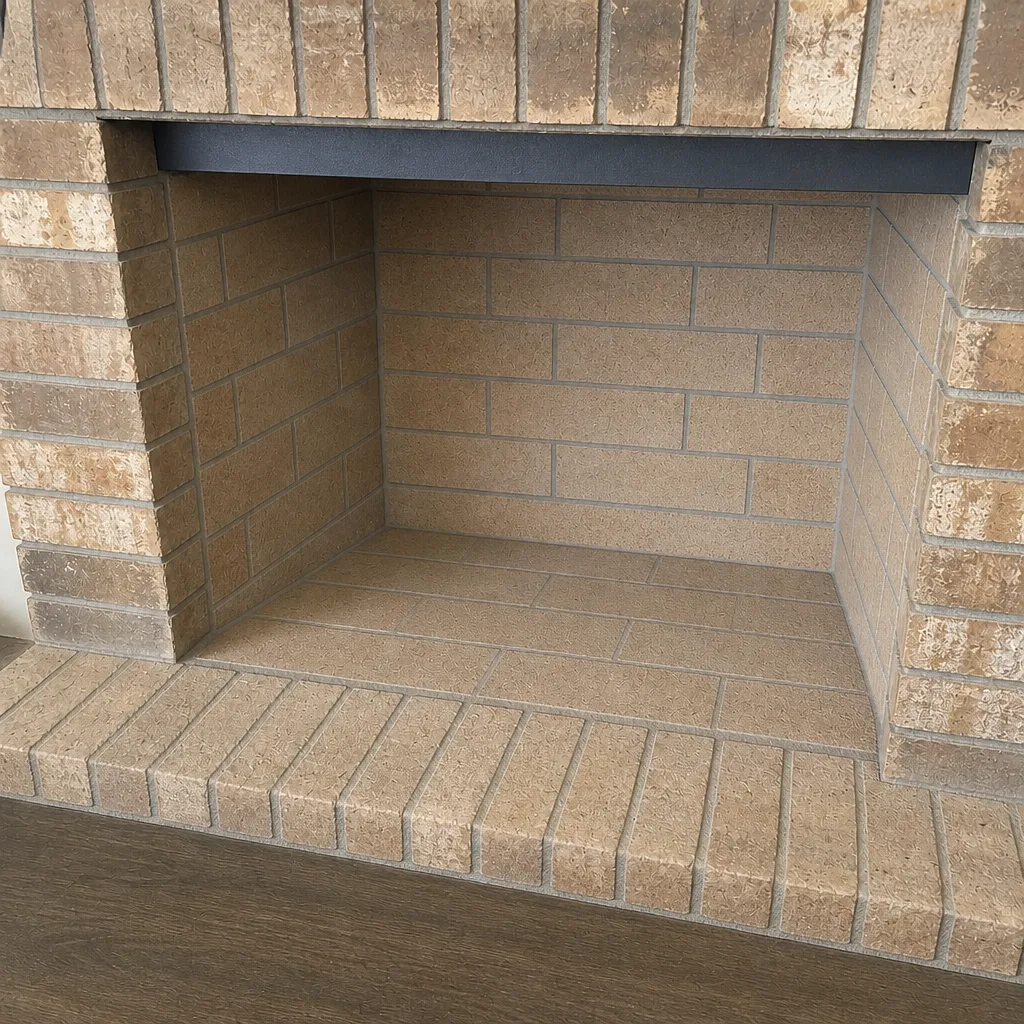
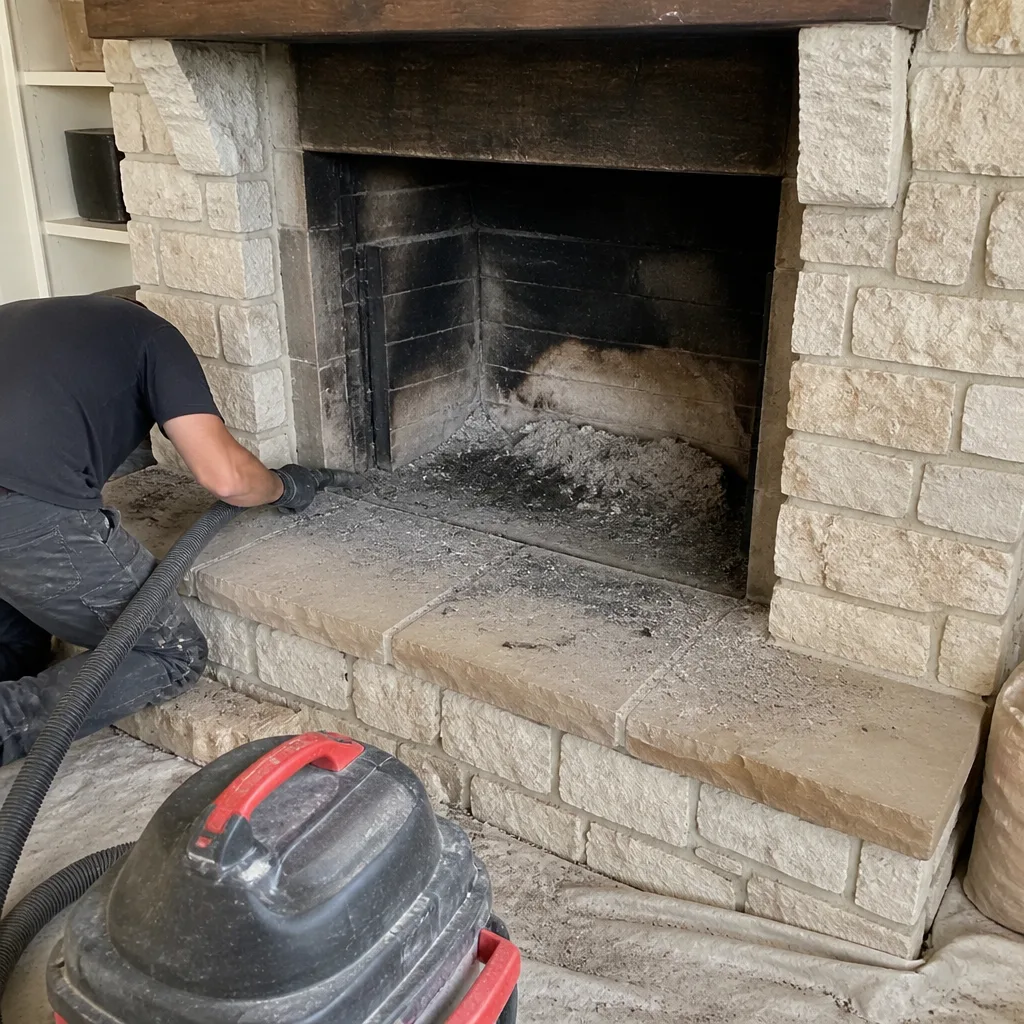
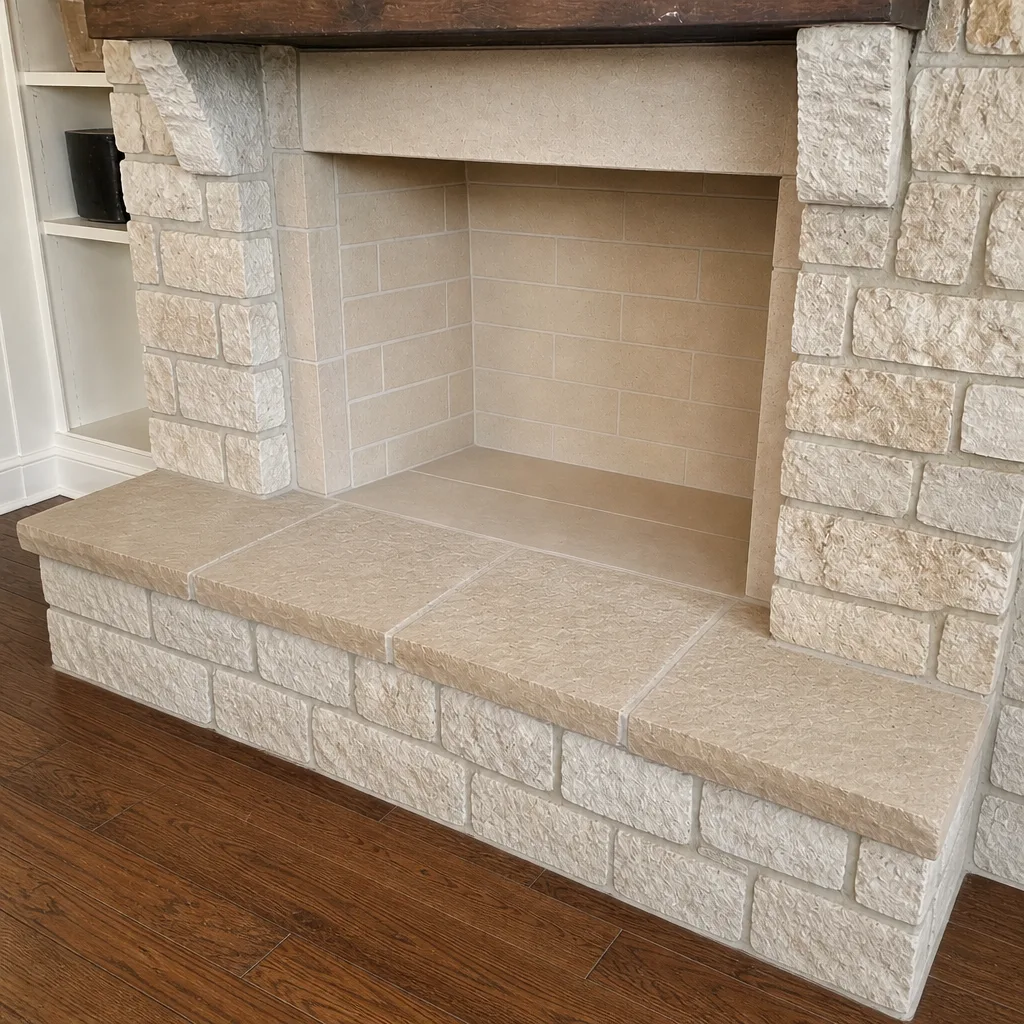
See the difference
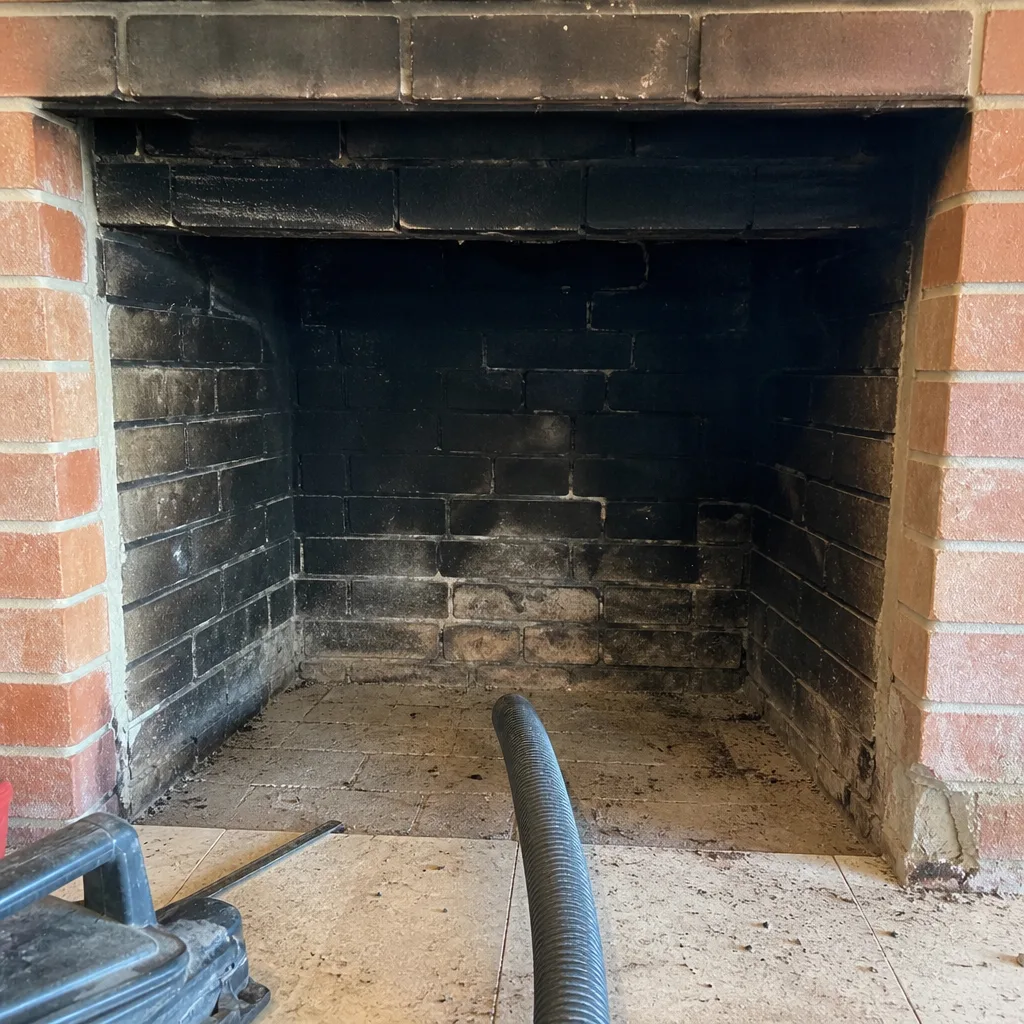 Before
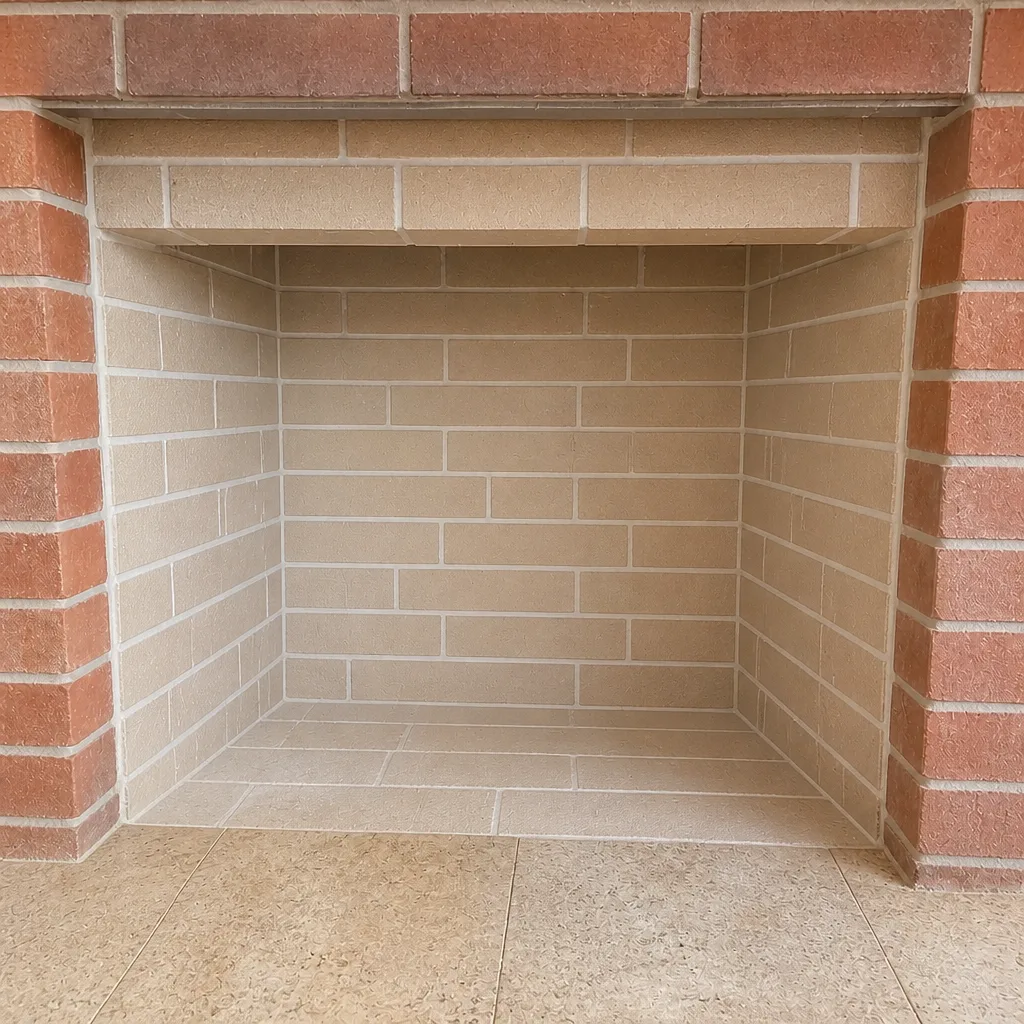 After
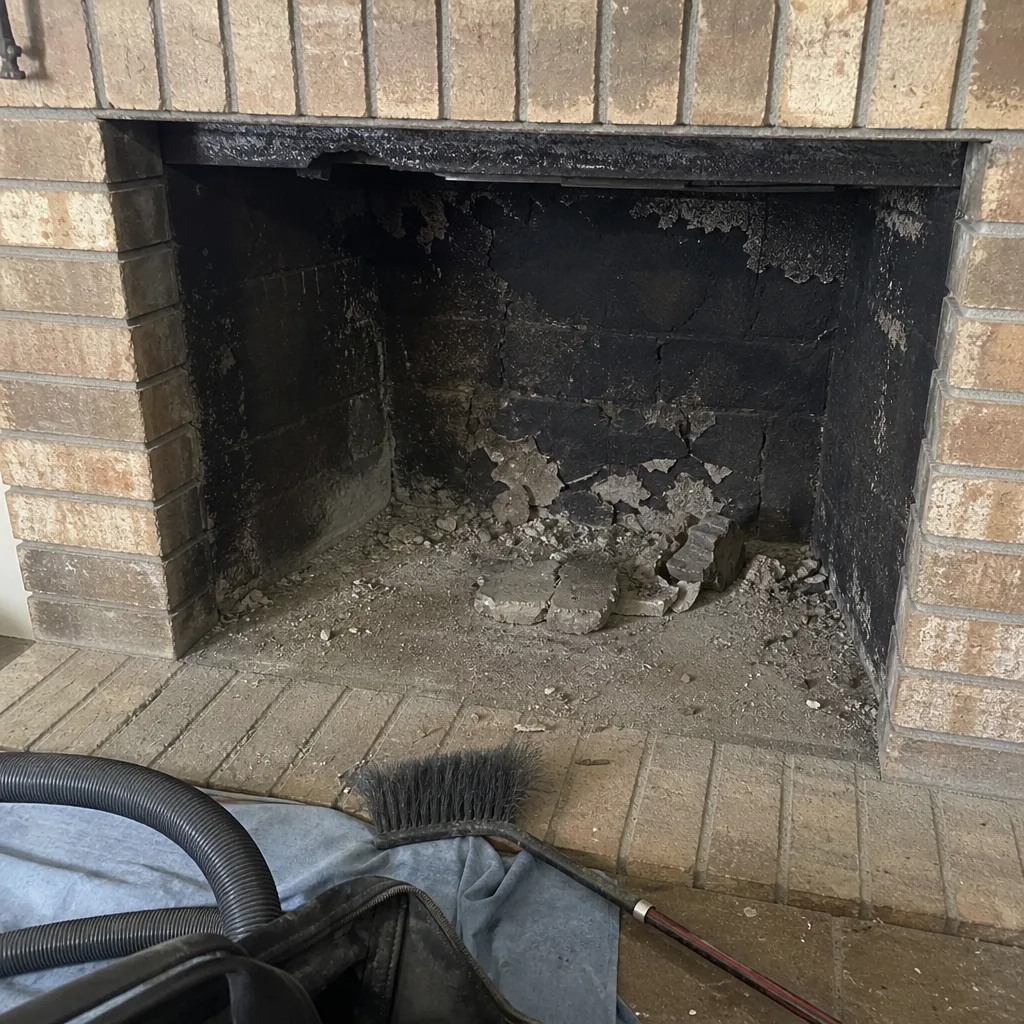 Before
 After
 Before
 After
Frequently Asked Questions
Once a year is the standard for most Lubbock homes, and late spring (May or June) is the best window. If you burn heavily through the compressed winter season, add a post-season sweep in March or April. Homes that burn only occasionally can still benefit from the annual inspection, because the exterior parts of the chimney take a beating from summer heat and spring dust even when you don’t light a fire.
It depends on what the camera finds, which is exactly why we don’t recommend a full reline until we’ve seen the inside of the flue. HeatShield resurfacing can restore many deteriorating liners without a full replacement, and it saves the cost of a complete reline when the liner’s structure is still sound. If the liner is cracked through or badly damaged, DuraFlex liner systems handle the full reline. The written estimate should tell you which one applies and why. Call (855) 617-0455 for a free estimate.
The most serious risk is a chimney fire from creosote buildup. It’s the leading hazard of a neglected flue, and the warning signs (smoke backing into the room, poor draft, a sharp smell after a fire) are almost always there before one happens. The less serious but more common outcome is water damage from a cracked crown or failing flashing, which is expensive to fix once it reaches the attic. Either way, a yearly inspection is far cheaper than the repair. Call (855) 617-0455 and we’ll book you in. We answer 24/7. Fast dispatch from 7am to 7pm, Sunday through Friday.
Gas fireplaces still need an annual inspection of the venting and the firebox. Gas doesn’t produce creosote the way wood does, but the venting can develop debris and moisture problems over the dry summer months, and the firebox can develop cracks. Book the gas-specific inspection when you call so the technician knows what to look for.
The two most common culprits are a damper that isn’t seating properly and debris on the smoke shelf from the summer. Both are easy to check during a fall prep appointment, and both are easy to fix. If neither of those explains it, the flue may be restricted by creosote or a nest, which is a job for a camera inspection. Call (855) 617-0455 if your fire won’t draw.
Hairline surface cracks in a crown are common in Lubbock’s heat, but “common” isn’t the same as “fine to ignore.” A hairline crack in the crown lets water into the masonry below it, and Lubbock’s summer heat then expands that moisture and widens the crack. It’s a cheap repair while it’s still small. A crown repair with a Gelco product is a straightforward job when it’s caught early, and a masonry rebuild when it isn’t. Call (855) 617-0455 for a look.
The Bottom Line
Lubbock’s chimney calendar doesn’t look like the rest of the country’s. The highest-value inspection is late spring, right after dust season and before the summer heat, not in October. Summer is when the cap, crown, and flashing need checking against sun damage. Fall is when the damper and smoke shelf matter most. And the compressed October-to-February heating season is why creosote builds faster here than it does in a milder climate. A hail event is the trigger for a Level 2 camera inspection. Two appointments a year, one in late spring and one in early fall, cover most Lubbock homes. That’s the schedule worth keeping.
Get a Free Estimate on Year-Round Chimney Care
Call Chimney Sweep Lubbock at (855) 617-0455 for a free estimate. We answer 24/7, and fast dispatch runs from 7am to 7pm, Sunday through Friday. Every inspection comes with a photo report so you can see exactly what we saw. The written estimate sets the final price, and if something can wait, we’ll tell you that plainly rather than push a repair you don’t need. We handle chimney sweeping, chimney repair, and dryer vent cleaning under one roof, with professional-grade materials from trade-trusted brands like HeatShield, Gelco, Olympia Chimney, and DuraFlex. One company, one call, and no handoff to a second contractor when the inspection finds a repair to make.
Written by the team at Chimney Sweep Lubbock.