
Last updated November 15, 2026
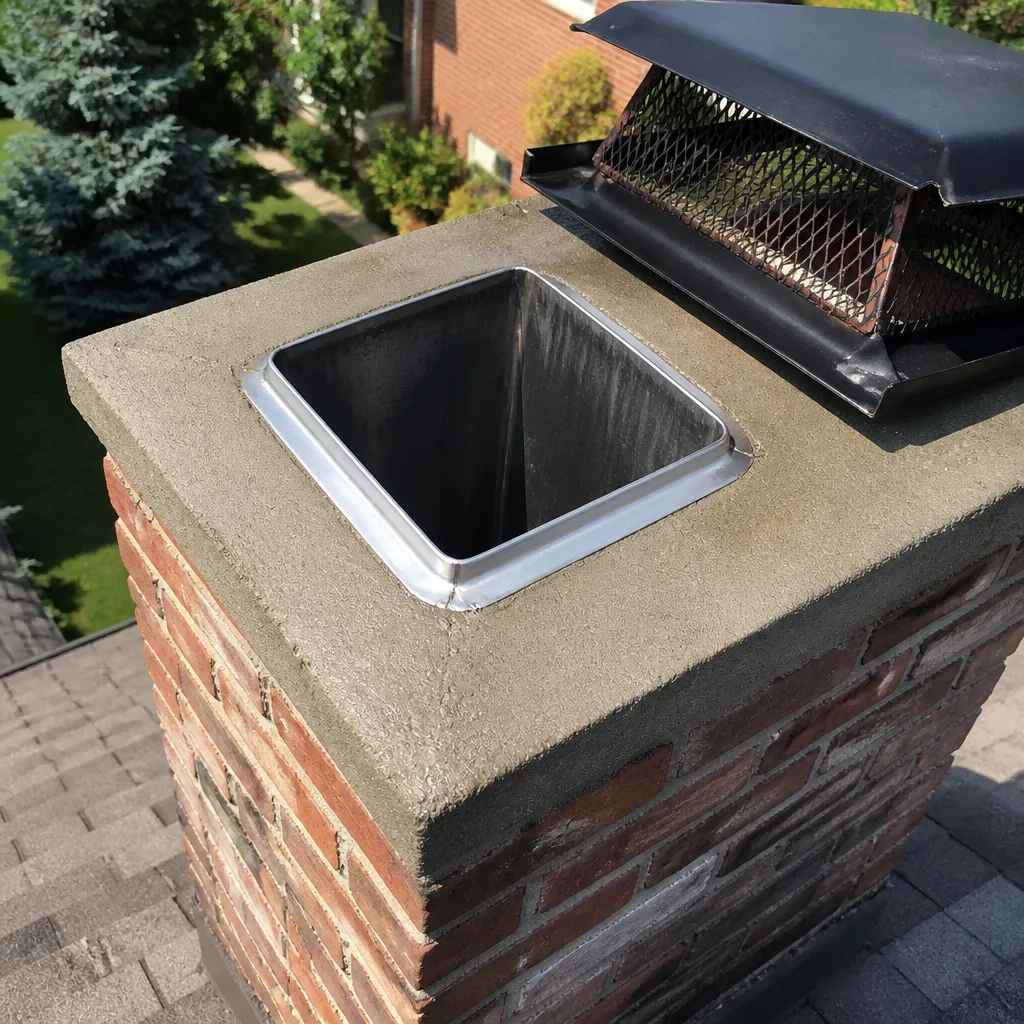 Sweep & inspection
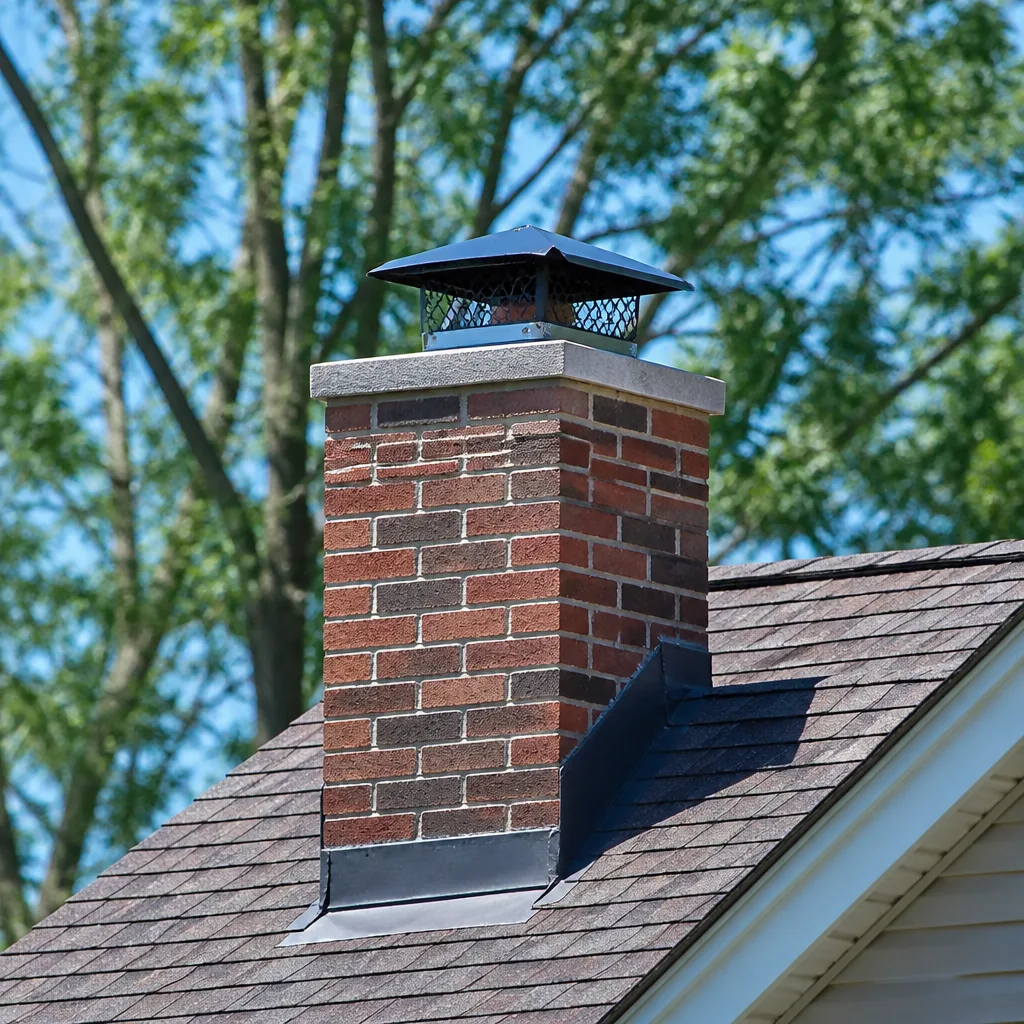 Caps & crowns
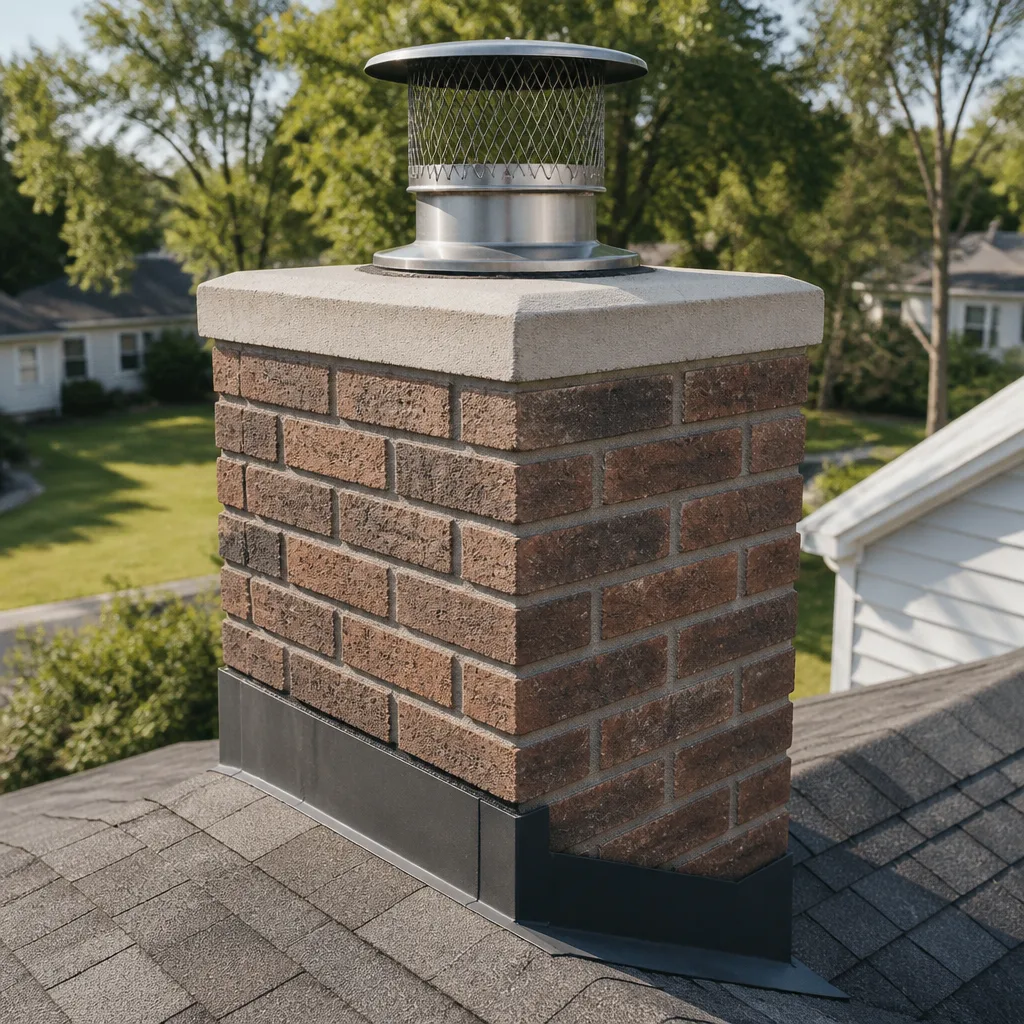 Flue relining
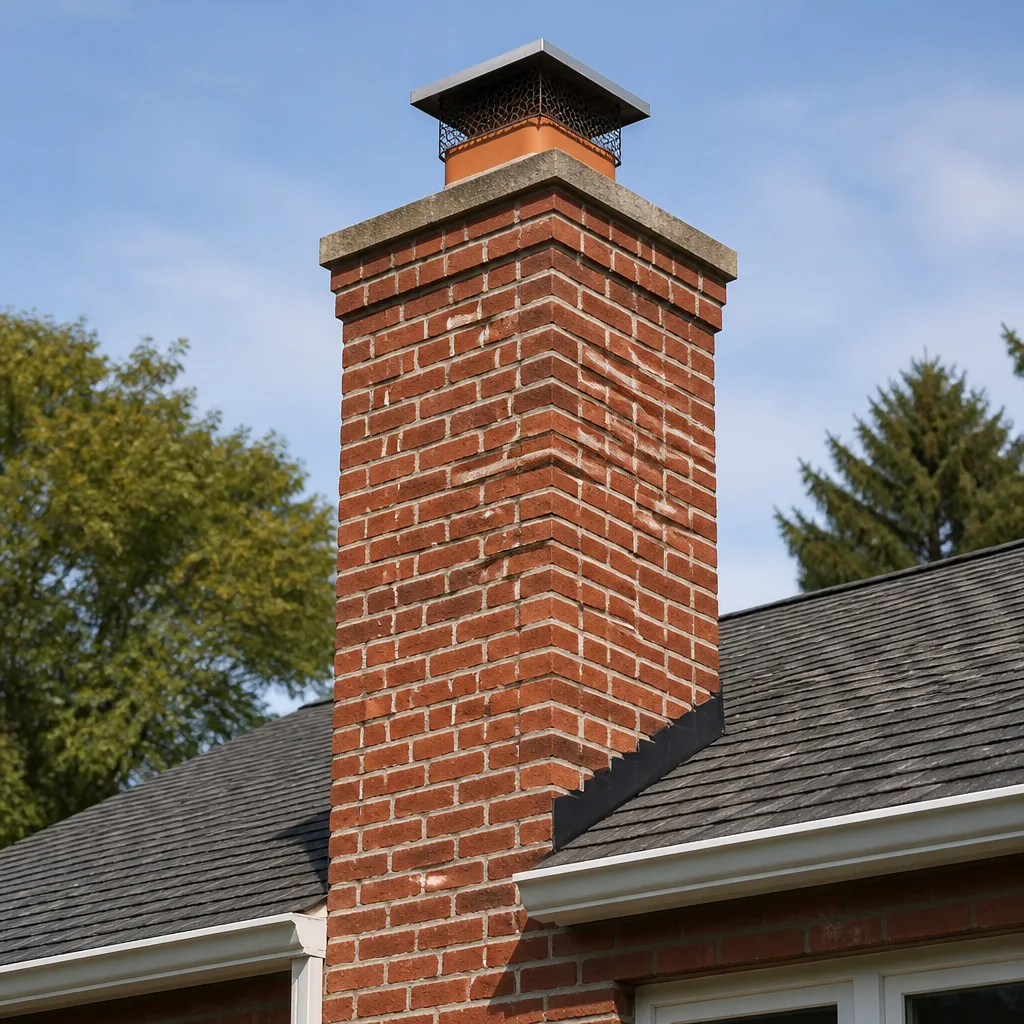 Masonry repair
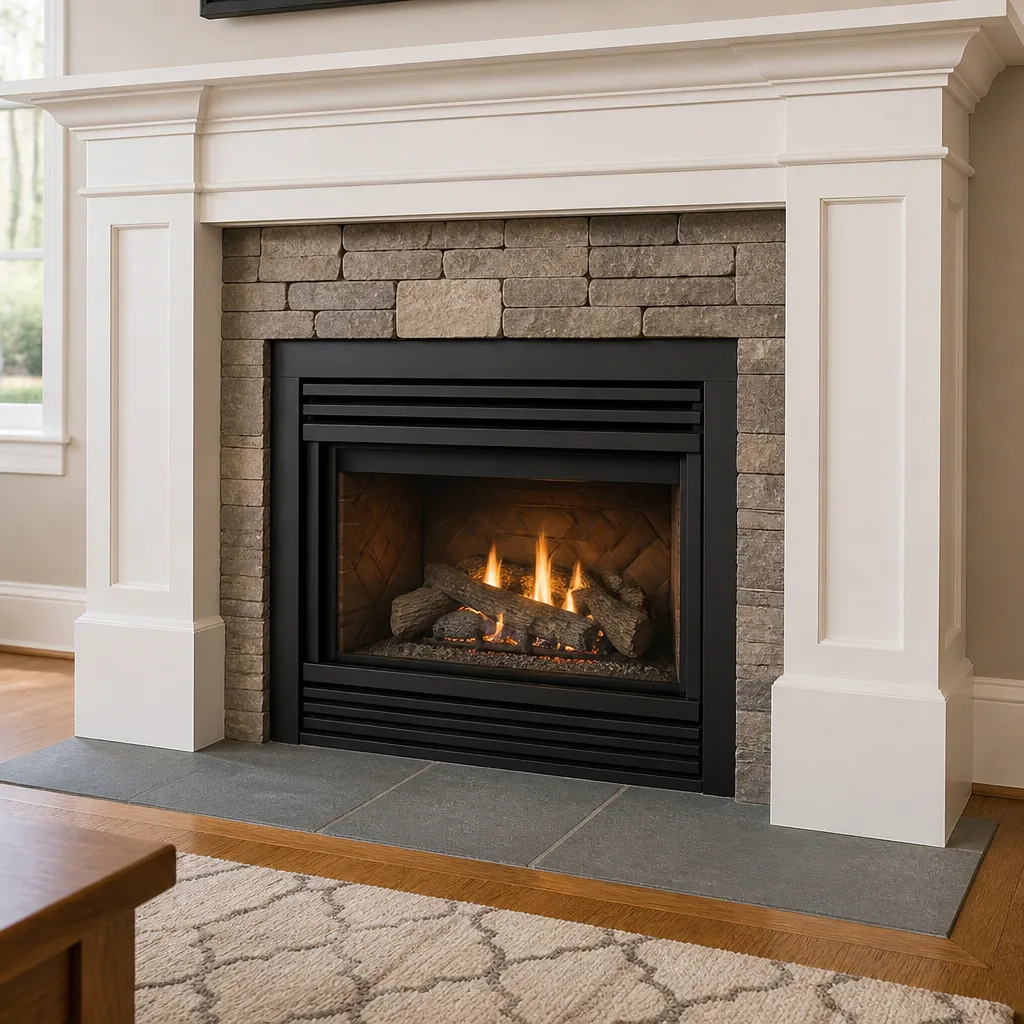 Gas fireplace service
Level 1 sweep and inspection to the NFPA 211 annual standard - flue, crown, cap, and flashing checked and photographed
Chimney sweep logs do not sweep chimneys. They loosen some creosote - which then falls where a brush and vacuum still have to collect it.
Chimney Cleaning Permits, Codes & Inspections in Lubbock, TX: What You Need to Know
Here’s the part most homeowners get backwards: a routine chimney sweep almost never requires a permit, but the repairs that sweeps uncover often do. In Lubbock, the line between maintenance and construction is drawn by the City of Lubbock’s building code, and it’s crossed more often than people realize when a liner gets replaced or a firebox gets modified. We’ve watched homeowners discover years-old unpermitted work during a sale, an insurance review, or a pre-purchase inspection, and the paperwork problem is usually harder to fix than the chimney problem ever was. This guide walks through which chimney services trigger a permit in Lubbock, how NFPA 211 gets adopted and enforced locally, what grandfathering really protects in older homes, and how to check a contractor’s permit history after the fact.
Quick Answer
In Lubbock, a standard chimney sweep and a visual inspection are routine maintenance and don’t require a building permit. Once the work involves opening a wall, replacing or resurfacing a flue liner, altering a firebox, or converting a fireplace to gas, a permit is typically required because the work changes the structure or the venting system. The permit belongs to the property and creates a public inspection record, so always confirm it in writing before work starts.
Styles & brands we work with
- Sweep & inspection
- Caps & crowns
- Flue relining
- Masonry repair
- Gas fireplace service
Table of Contents
- Where Lubbock Draws the Line: Permit vs. Routine Maintenance
- How NFPA 211 Governs Chimney Work in Lubbock
- Gas Fireplace Conversions and the Permit Most Homeowners Skip
- What Grandfathering Covers in Older Lubbock Homes (and What It Doesn’t)
- What an Inspection Actually Checks
- How to Verify a Contractor Pulled a Permit
- Why the Material Brand Matters in a Permitted Repair
- What This Means When You Sell or Buy
Where Lubbock Draws the Line: Permit vs. Routine Maintenance
The City of Lubbock’s building code treats chimney sweeping as maintenance. A technician comes out, brushes the flue, cleans the firebox, checks the damper and the cap, and leaves. No permit, no inspection, no paperwork beyond the report you receive. That’s the correct answer for most of the work that happens in Lubbock chimneys every year, because cleaning doesn’t alter the building.
The permit line sits where the structure or the venting system changes. If a liner comes out and a new one goes in, that’s a construction activity. If a firebox gets rebuilt or a chimney chase gets modified, that’s construction. If a gas insert gets installed and a new vent route gets cut through a wall or a roofline, that’s construction. Each of those touches the chimney system in a way the code cares about, because a chimney isn’t decorative. It’s a life-safety system, and the code exists to make sure the clearances and materials match what the appliance needs.
In practical terms, here’s how the split usually falls:
- No permit typically needed: standard sweeping, a Level 1 visual inspection, cap replacement, damper hardware repair that doesn’t alter the firebox, and routine dryer vent cleaning.
- Permit typically required: full flue liner replacement, HeatShield resurfacing of a deteriorated liner, firebox rebuild, chimney chase modification, new appliance installation, and any work that opens finished interior walls to reach the chimney.
- Ask before you assume: anything that changes vent routing, clearances, or the physical footprint of the chimney. When in doubt, we tell homeowners to call the City of Lubbock building department directly and describe the scope in one sentence. It takes five minutes and settles the question.
In our experience, the confusion comes from technicians who handle permits and technicians who don’t. A crew that treats every visit as a cleaning will never mention permits. A crew that also does repairs knows which jobs require one and needs to say so before the work order is signed, not after.
How NFPA 211 Governs Chimney Work in Lubbock
NFPA 211 is the national standard for chimneys, fireplaces, vents, and solid-fuel-burning appliances, and it’s the technical backbone behind most local chimney code language. Lubbock adopts national model codes with local amendments, and NFPA 211 gets referenced through the International Residential Code and the International Mechanical Code, which the city enforces. You don’t need to read the standard, but you should understand what it protects, because it’s the reason a permit is sometimes required for work that looks cosmetic.
Three parts of NFPA 211 matter most to a Lubbock homeowner:
- Clearances. The standard sets the minimum distance between a chimney and combustible materials. Clearances are why an inspector will look at how a chimney passes through a roof deck or an attic.
- Liner specifications. A flue liner has to match the appliance and the fuel type. A wood-burning fireplace and a gas insert don’t need the same liner, and the wrong one fails inspection or, worse, fails quietly.
- Inspection levels. NFPA 211 defines three levels of inspection. A Level 1 is the visual inspection that comes with an annual sweep. A Level 2 adds a camera inspection of the flue and happens after a chimney fire, a change in appliance, or a real estate transaction. That camera work is what turns up most of the problems we find in Lubbock.
This is why the brand on the material matters. When we install a DuraFlex liner or apply HeatShield resurfacing compound, we’re using products that were engineered to meet the standard, and the permit inspection goes faster because the inspector can verify the specification against the packaging. A generic substitute might pass a visual inspection and still fail the code requirement. That’s the gap homeowners can’t see from the outside.
Gas Fireplace Conversions and the Permit Most Homeowners Skip
A gas fireplace conversion is one of the most common upgrades we see in Lubbock homes, and it’s also one of the most frequently unpermitted. The reasoning is understandable. A gas insert looks like a simple swap: pull the old firebox parts, drop in a new appliance, add a gas line. In reality, a conversion changes the venting system, the combustion characteristics of the firebox, and often the clearances around the appliance. That’s exactly the kind of change the permit process exists to catch.
Under the International Mechanical Code and the gas provisions the city enforces, installing a gas-burning appliance in an existing chimney typically requires a permit and an inspection. The inspection confirms three things:
- The venting for the new appliance matches what the manufacturer specifies, and the existing chimney can support it.
- The clearances to combustibles are still correct after the appliance changes the heat profile of the firebox.
- The gas connection is installed and tested by a licensed professional, and the appliance passes a combustion check.
We’ve seen conversions in Lubbock where the appliance was installed correctly but the venting was never adjusted, because the installer treated the existing flue as a universal pipe. That’s a carbon monoxide risk. A gas appliance venting into a flue sized for wood can draft poorly, and poor draft is invisible until it isn’t. When we do a Level 2 camera inspection on a converted fireplace, we can tell a homeowner exactly what’s in the flue and whether it matches the appliance. If you’ve had a gas insert installed and you’re not sure a permit was pulled, that inspection is the right first step before anything else.
What Grandfathering Covers in Older Lubbock Homes (and What It Doesn’t)
Grandfather clauses are one of the most misunderstood parts of the building code, and they come up constantly in Lubbock neighborhoods with pre-code masonry construction. A grandfather clause means an existing structure doesn’t have to be brought up to current code simply because the code changed. A chimney built to the standards of its era stays legal as long as it’s still functioning as built.
What grandfathering does not do is protect the chimney from the code once you modify it. If a mason rebuilds a firebox in a grandfathered chimney, the new work has to meet current code. If a homeowner replaces a liner in an old chase, the replacement liner gets held to the current standard even though the surrounding masonry stays grandfathered. In our experience, this is where problems hide. A grandfathered chimney can look fine on the outside and fail current standards the moment a technician opens it up, and the cost of that discovery lands on whoever owns the property at that moment.
Here’s how to think about it in practice:
- Determine what’s actually there. A Level 2 camera inspection tells you the liner material, the condition, and the clearances.
- Compare it to what the current code would require for the same appliance today. That’s the gap.
- Decide whether to repair, resurface, or leave it. A fireplace that isn’t used can safely wait. A fireplace that gets used every winter can’t.
Grandfathering also doesn’t travel with a permit history. If work was done in a Lubbock home years ago without a permit, the fact that the chimney predates the code doesn’t retroactively legalize the work. That’s why a paper trail matters, and it’s why we recommend that homeowners keep the report from every inspection they’ve had done. The next owner will ask for it.
What an Inspection Actually Checks
A chimney inspection in Lubbock is not a quick glance up the flue. It’s a systematic check of the entire venting system, and the level of inspection determines how deep that check goes. A Level 1, which is what a routine annual sweep includes, covers the accessible parts of the system visually. A Level 2 adds a camera run of the entire flue and is what we recommend before any real estate transaction, after any chimney fire, and after any appliance change.
Either level checks the same set of items:
- Flue interior: the liner material, its condition, and whether there are cracks, gaps, or missing sections.
- Creosote and soot buildup: for wood-burning fireplaces, the degree of buildup determines the cleaning method and the fire risk.
- Firebox and damper: the condition of the firebox walls, the smoke chamber, and the damper’s operation.
- Chimney exterior: the cap, the crown, the flashing where the chimney meets the roof, and the mortar joints visible from the roofline.
- Clearances: the distance between the chimney system and any combustible material it passes near.
- Venting for gas appliances: whether the vent matches the appliance, and whether the draft is adequate.
- Dryer vent if requested: buildup, lint obstruction, and the condition of the vent run, which is the same fire-safety logic applied to a different system.
We photograph what we find and hand over the report so a homeowner can see the evidence directly. That matters because a chimney professional can recommend anything. A report with photos lets you decide whether the recommendation makes sense, and whether the work can safely wait a season. For routine cleaning in Lubbock, that report is also the right moment to schedule the next one: the dryer vent cleaning side of the business exists for the same reason the chimney side does, because both are about moving hot exhaust out of the house safely.
How to Verify a Contractor Pulled a Permit
Verification in Lubbock happens at the City of Lubbock’s building department. Permit records are public, and a counter or phone request for the permit history at a specific address will tell you whether any chimney or venting work was permitted, who pulled the permit, and whether the inspection was completed. That’s the honest answer. You don’t need to know anyone, and you don’t need a special form.
Here’s the process we recommend, in order:
- Ask for the permit number in writing before work starts. A contractor who intends to pull a permit won’t hesitate to give it to you.
- Check the record at the city once the permit is issued. Confirm the scope on the permit matches what you were quoted.
- Get the inspection sign-off in writing when the work is complete. A closed permit is your proof the work passed the inspection.
- If the work is already done, request the permit history at your address. If there’s no record and a permit was required, you’ll know exactly where you stand.
The recourse question is harder. If a contractor skipped a required permit and the work is now failing inspection, a homeowner’s options depend on what the work was, whether the contractor is reachable, and whether the city will allow a retroactive permit application. Some jurisdictions permit an after-the-fact application with an inspection; others require the work to be exposed for inspection before it can be permitted. That’s a case-by-case conversation with the building department, and it’s precisely why we recommend confirming before work starts rather than afterward. If a contractor won’t give you a permit number in writing, that’s the answer to your question about whether they intend to pull one.
Why the Material Brand Matters in a Permitted Repair
A permitted repair has to pass an inspection, and an inspection compares what’s installed against the code standard. The material brand is not cosmetic. It’s the physical evidence the inspector checks. This is why we work with a small roster of trade-trusted brands rather than whatever is cheapest at the supply house that week.
When a flue liner is deteriorated but still structurally sound, HeatShield resurfacing restores it without a full liner replacement. That’s a permitted repair in most cases because it changes the venting surface, and the product has a known specification the inspector can verify. When a full replacement is needed, DuraFlex liner systems are what we install, and the flexible construction lets us handle the offsets and bends older Lubbock chimneys often have. For dryer vent work, Famco products are built for the fire-safety side of the job. Gelco and Olympia Chimney round out the list for components and venting hardware. These are professional-tier brands, and the point is not the name. The point is that when the inspector looks at the installation, the specification matches the code requirement and the repair passes.
In our experience, homeowners who ask about the brand tend to have already been burned by a generic substitute somewhere else. We’d rather have that conversation before the work than after. Our technicians have up to 12 years of experience with these systems, and we can walk you through why a given material was chosen for your chimney. Visit our chimney sweep page to see how a routine cleaning and inspection sets the baseline for any repair that follows.
What This Means When You Sell or Buy in Lubbock
A Level 2 inspection is the standard recommendation before a home sale closes, and for good reason. The buyer’s inspector will look at the chimney. If the flue has an unpermitted liner replacement from a few years back, that comes up, and the buyer’s agent will ask for documentation that may not exist. The clean version of this story is a homeowner who has a current inspection report with photos and a permit record for any work done. The messy version is the one where the original contractor is unreachable and the closing gets delayed while everybody figures out who’s responsible.
For sellers, gather the paperwork before you list. The inspection report, the permit numbers, and the inspection sign-offs for any repair done in the last several years all belong in the disclosure packet. For buyers, request the same records and a Level 2 inspection during your contingency period. And for either side, if the chimney hasn’t been serviced in a while, book a Chimney Sweep Lubbock visit before the transaction gets tight. It’s inexpensive relative to the closing, and it takes the unknown out of the negotiation.
Common Mistakes to Avoid
- Assuming every cleaning needs a permit. It doesn’t. Routine sweeping and a Level 1 inspection are maintenance, and asking for a permit on a cleaning just confuses the issue. The permit question applies to repair and modification.
- Skipping the permit on a liner replacement to save time. The liner is the part of the chimney that keeps combustion products out of your living space. An unpermitted liner is an unverified liner, and that gap follows the house to the next owner.
- Treating a gas conversion as a swap. A gas insert changes the venting and the clearances. Installing one without a permit and an inspection leaves the venting unverified, which is a carbon monoxide concern, not a paperwork concern.
- Assuming grandfathering protects new work. An old chimney can stay grandfathered. A new repair to that chimney usually has to meet current code, and a homeowner who assumes otherwise gets surprised at inspection.
- Accepting a verbal “we pulled the permit.” Ask for the number in writing, and check it at the City of Lubbock. It takes a few minutes and it’s the only way to know for certain.
- Ignoring the dryer vent during a chimney visit. Lubbock homes with a long dryer vent run are prone to lint buildup that a chimney-only technician never checks. Dryer vent lint is a fire hazard, and it’s invisible from the laundry room.
- Filing away the inspection report and forgetting it. Keep the report and the photos. The next buyer, your insurance company, or your own future self will want them, and reconstructing a permit history is far harder than storing a PDF.
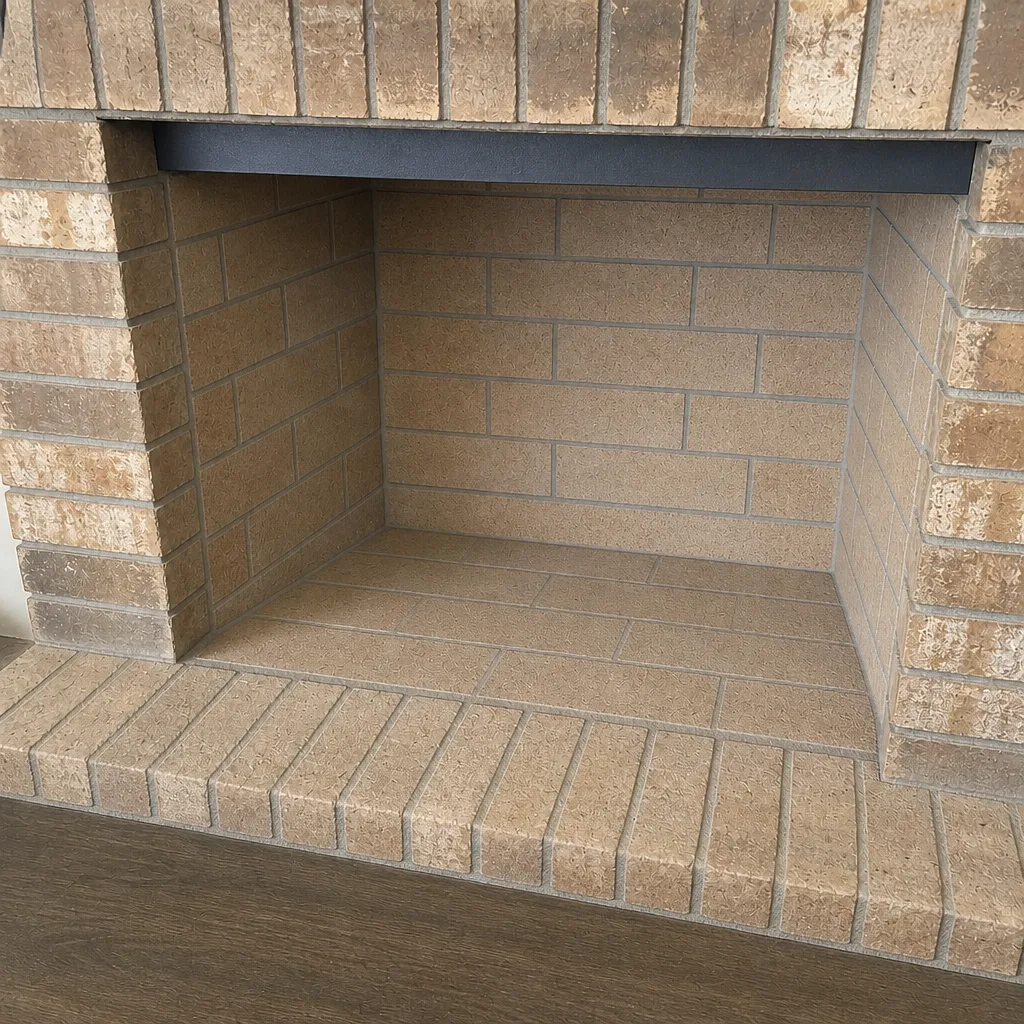
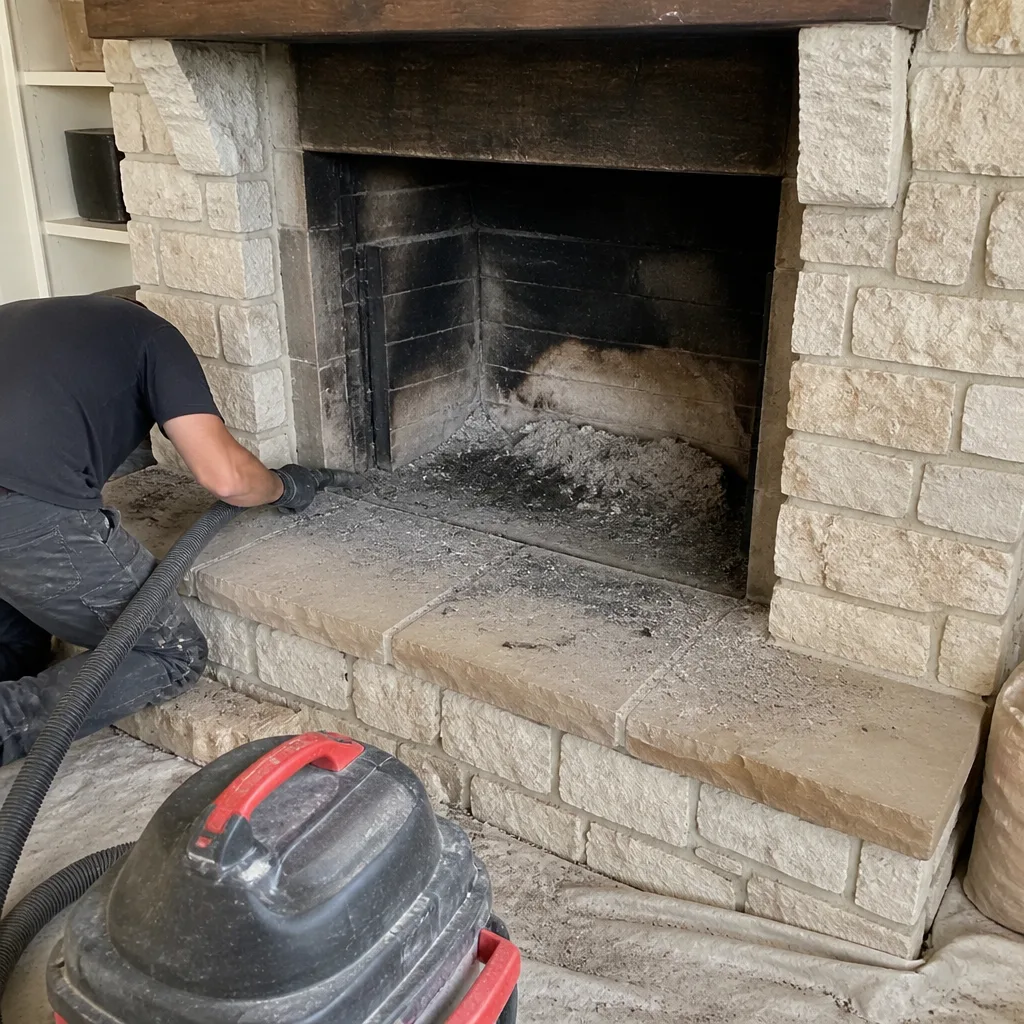
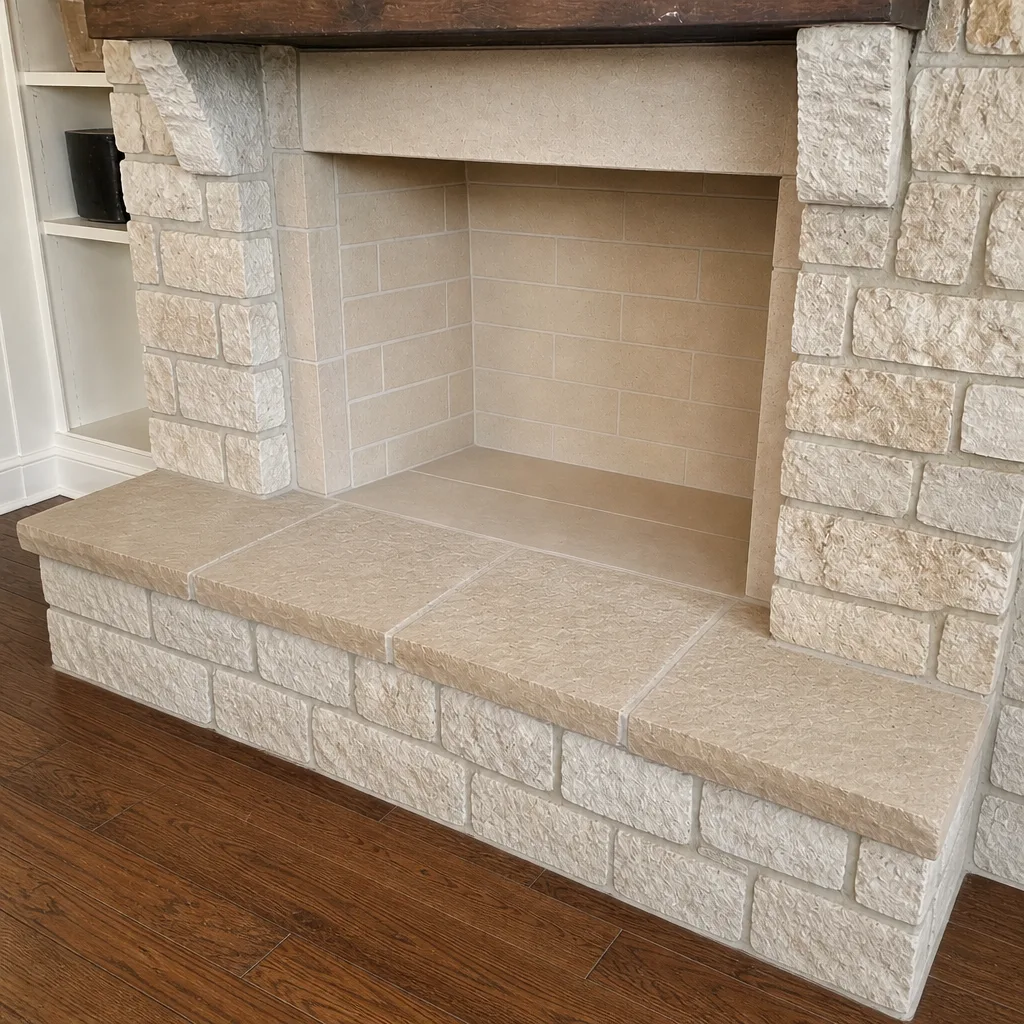
See the difference
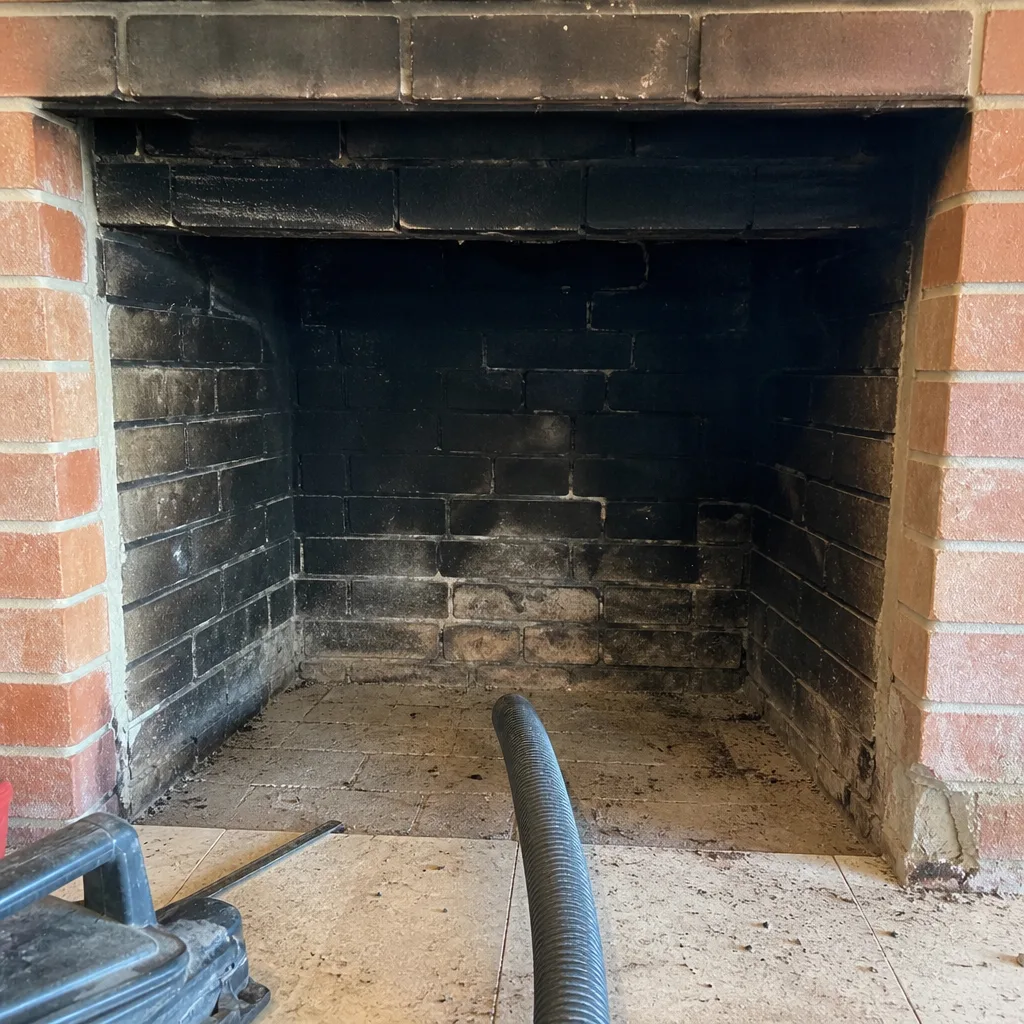 Before
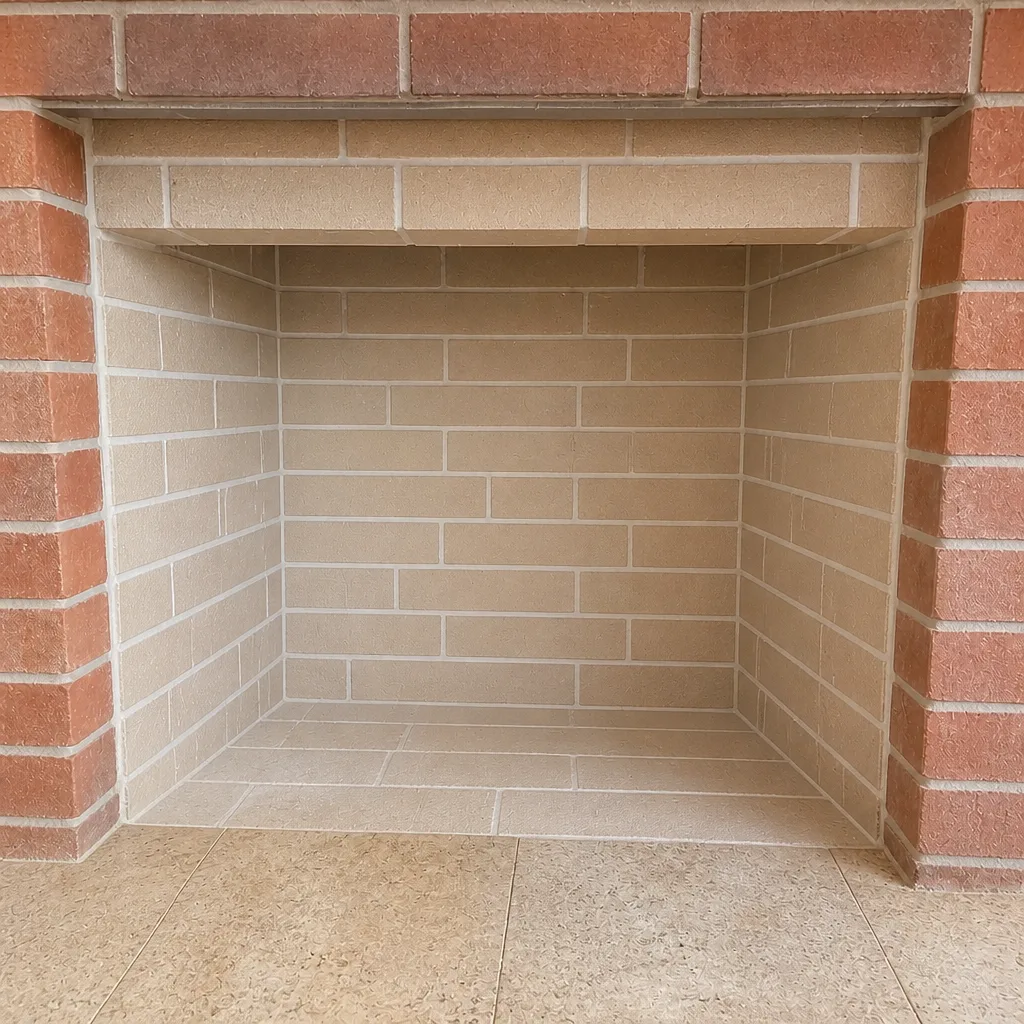 After
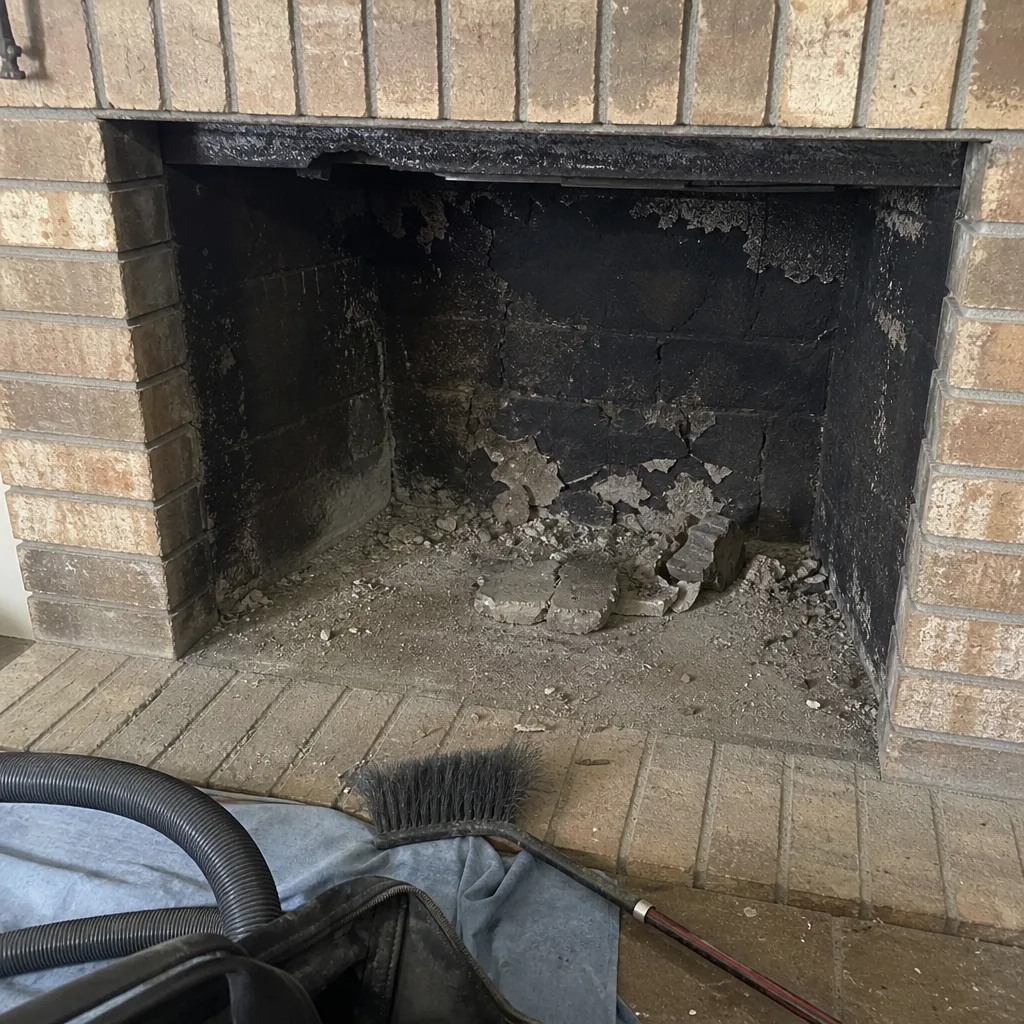 Before
 After
 Before
 After
When to Call a Professional
Call a professional when the chimney hasn’t been inspected in a season and you burn wood regularly. Call when you notice creosote buildup, a draft that’s gotten weaker, smoke backing into the room, or a firebox that looks cracked or damaged. Call after any chimney fire, even one that went out on its own, because the damage from a flue fire is often invisible from the outside. Call if you’ve had a gas insert installed and you’re not sure the venting was verified. Call if you’re selling or buying a Lubbock home and need a Level 2 inspection for the file. And call if the dryer is taking longer than it used to, since a clogged dryer vent is the same fire-safety category as a clogged flue. Chimney Sweep Lubbock offers free estimates in Lubbock; call (855) 617-0455. We answer 24/7. Fast dispatch from 7am to 7pm, Sunday through Friday.
Frequently Asked Questions
No. A standard chimney sweep and a Level 1 visual inspection are routine maintenance under City of Lubbock code and don’t require a building permit. Permits apply to repairs and modifications that change the structure or the venting system. Call (855) 617-0455 for an exact quote on a sweep and inspection; estimates are free.
In most cases, yes. A liner replacement changes the venting system, so the city treats it as construction rather than maintenance. The permit creates an inspection record that verifies the new liner matches the appliance and the clearances. Ask the contractor for the permit number in writing before work starts, and confirm it at the City of Lubbock building department.
The work doesn’t get legalized by time alone. A grandfather clause protects a chimney that was built to the standards of its era; it doesn’t protect a later repair done without a permit. The practical fix is a Level 2 camera inspection to establish what’s actually installed, then a conversation with the building department about whether a retroactive permit is possible for the type of work that was done.
They typically do, because a gas insert changes the venting, the clearances, and the combustion characteristics of the firebox. The permit triggers an inspection that confirms the venting matches the appliance. That matters for carbon monoxide safety, not just compliance. If you’re unsure whether a past conversion was permitted, a camera inspection of the flue is the right first step.
Once a year for a wood-burning fireplace that gets regular use, and that annual visit includes the sweep. A Level 2 inspection is the deeper check and is worth doing after any chimney fire, any appliance change, or before a home sale. Dryer vents should get the same annual attention since lint buildup is a fire hazard. Call (855) 617-0455 to book a sweep and inspection; estimates are free.
Ask them to put it in writing, and then call the City of Lubbock building department and describe the scope in one sentence. For sweeping and visual inspection, they’ll tell you no permit is needed. For liner replacement, firebox rebuild, or gas conversion, they’ll tell you one is. If the answer contradicts what the contractor told you, you have your answer. Call (855) 617-0455 if you’d like a free estimate from a company that pulls permits when they’re required.
The Bottom Line
Lubbock chimney code comes down to one distinction: maintenance versus modification. Sweeping and a Level 1 inspection are maintenance, and you don’t need a permit. Liner replacement, resurfacing, firebox work, and gas conversions are modifications, and they do require a permit and an inspection. NFPA 211 is the technical standard behind the code, and it’s why the material brand on a liner matters. Grandfathering protects old work that was built to code, not new work done without a permit. Keep the paperwork, ask for permit numbers in writing, and verify them with the city. If you’d like a thorough, documented inspection from a team that works with trade-trusted brands like HeatShield, DuraFlex, and Famco, start with a dryer vent cleaning or a chimney visit and see how we work. We serve homeowners across Lubbock with chimney sweeping, chimney repair, and dryer vent cleaning, and we handle the permit question as part of the job, not as an afterthought.
Contact
If you’re ready to schedule an inspection or you’d like a free estimate on a repair, call (855) 617-0455. We answer 24/7. Fast dispatch from 7am to 7pm, Sunday through Friday. We’ll tell you what your chimney needs, show you the evidence from the inspection, and let you know plainly when the work can safely wait.
Written by the team at Chimney Sweep Lubbock.