
Last updated November 15, 2026
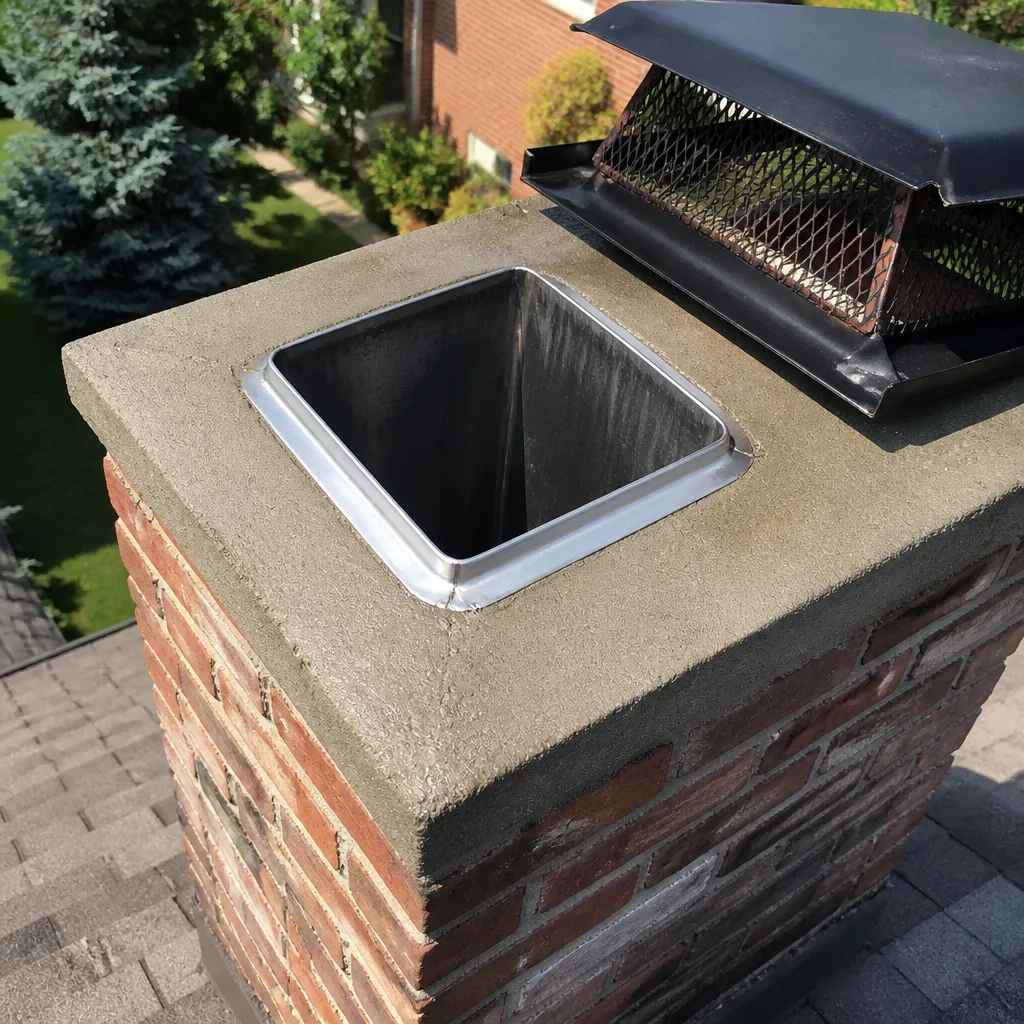 Sweep & inspection
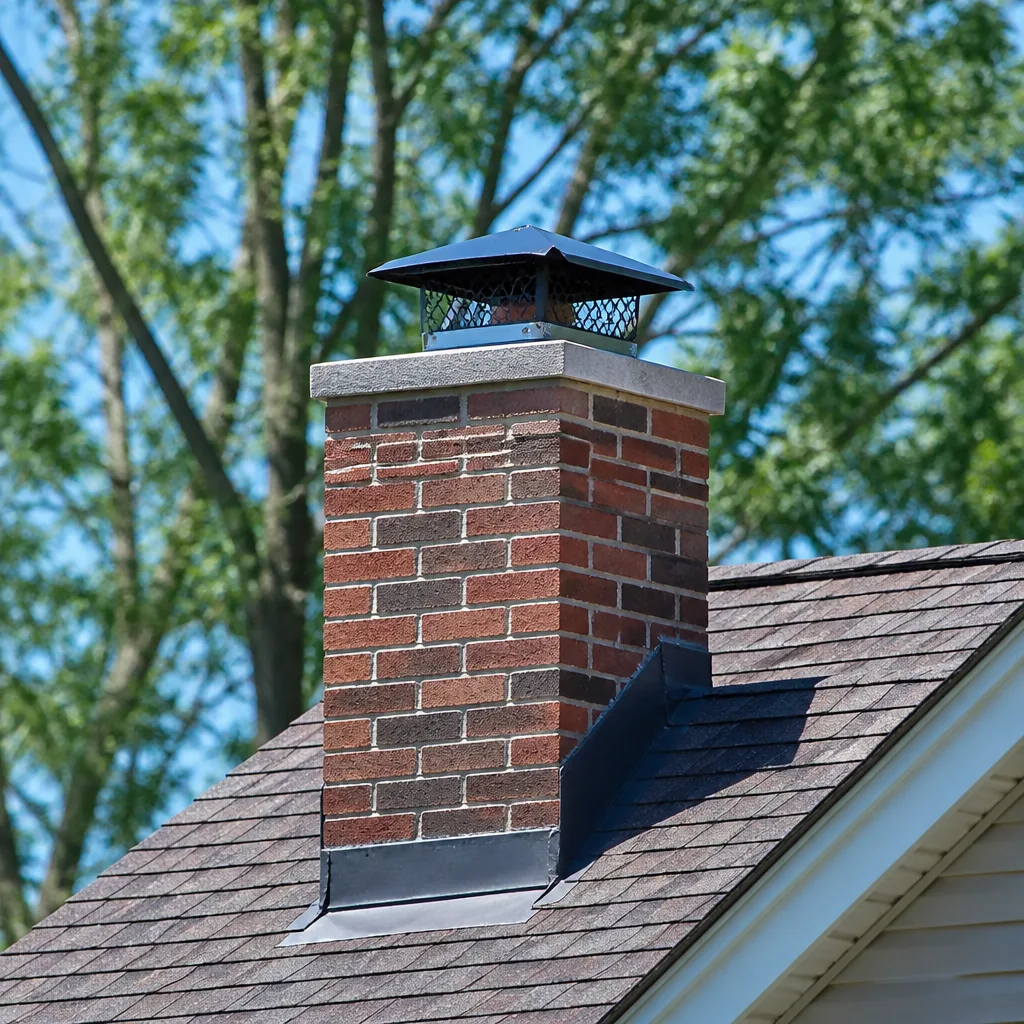 Caps & crowns
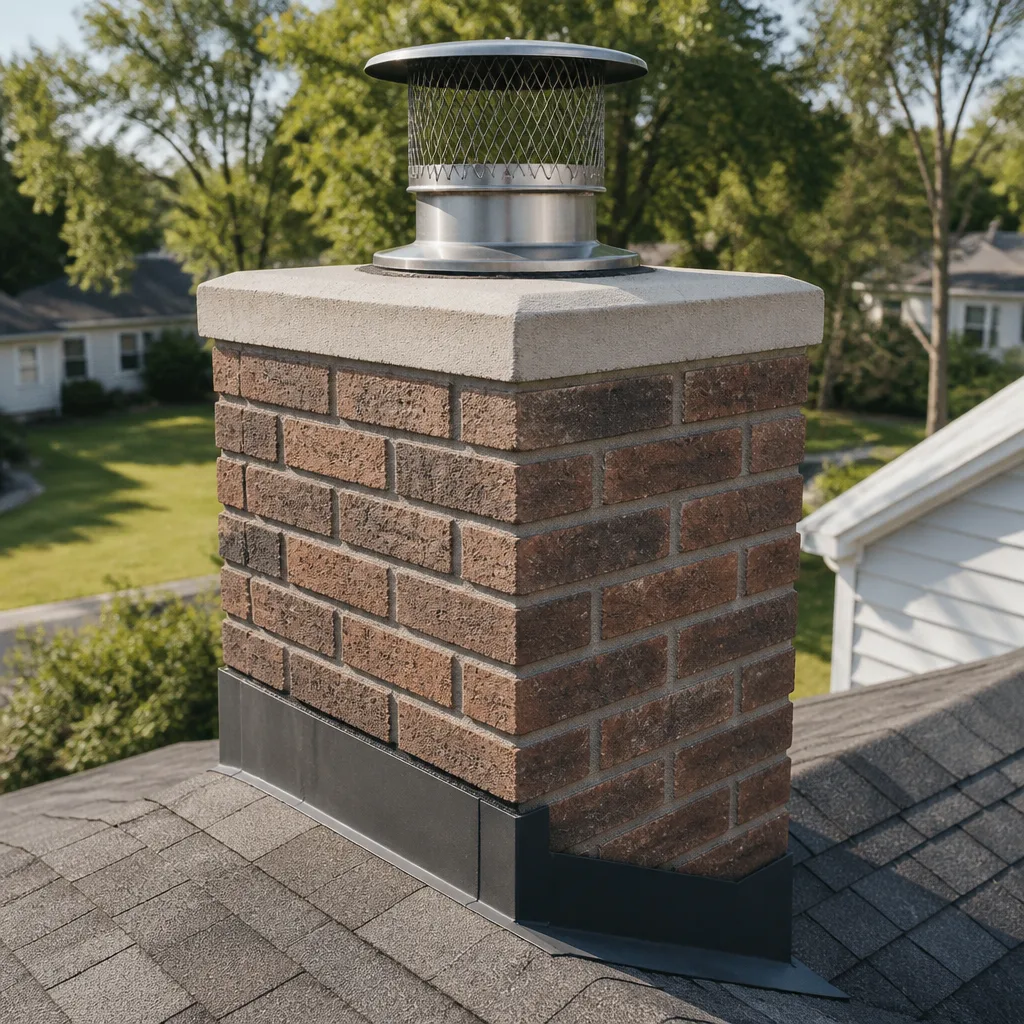 Flue relining
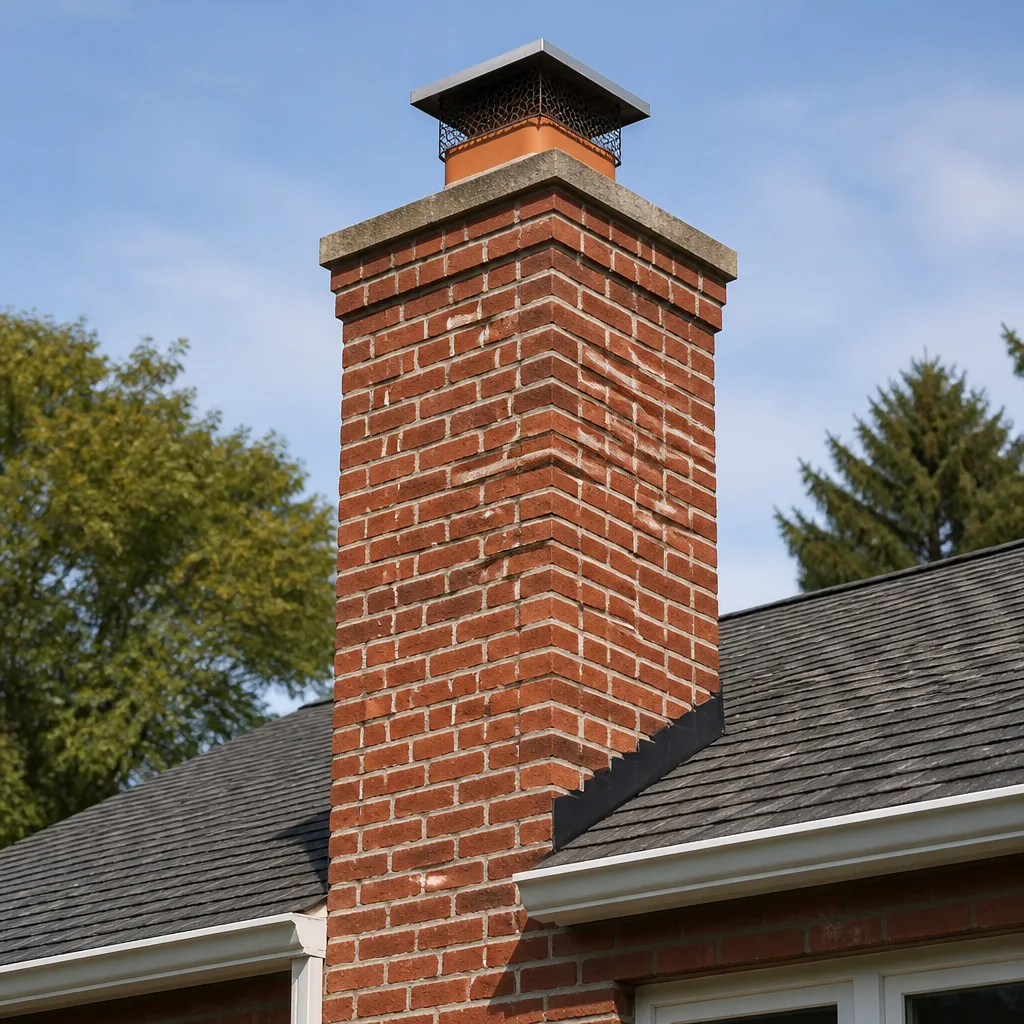 Masonry repair
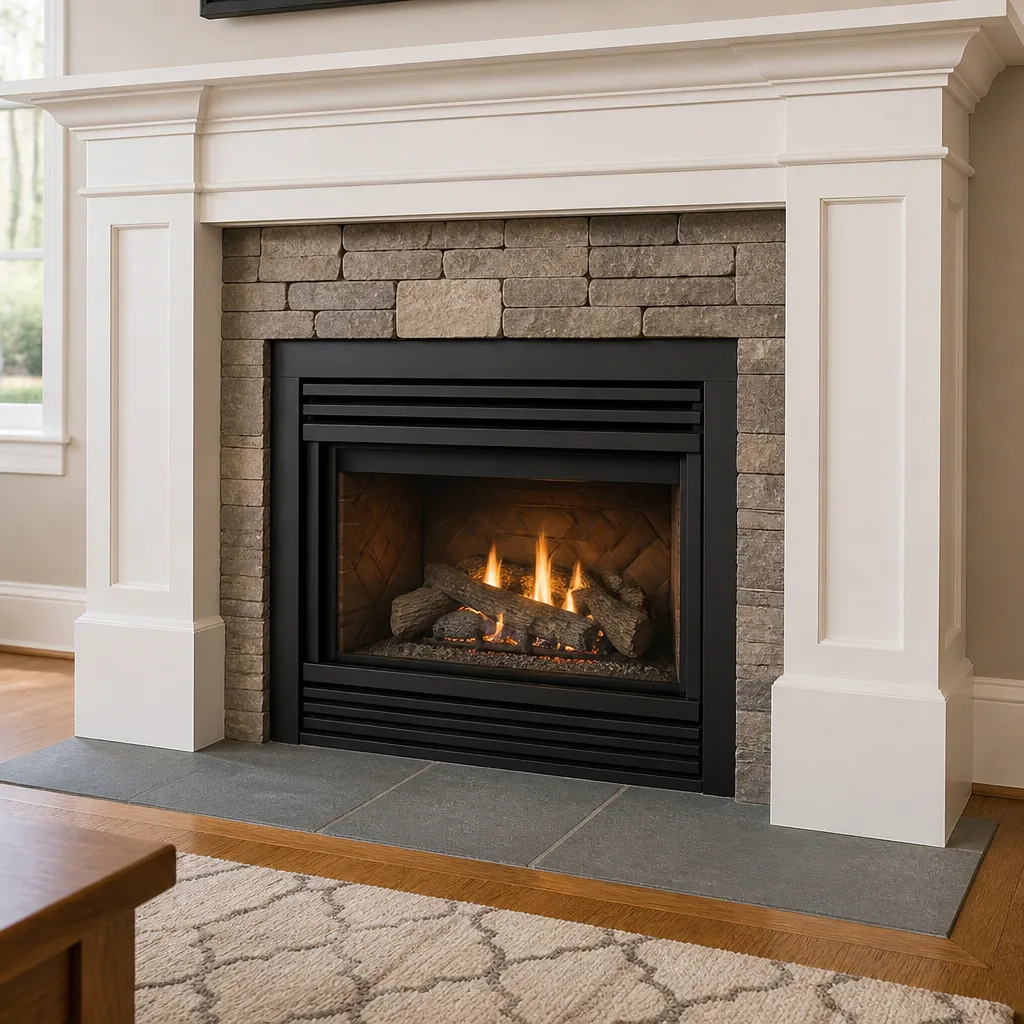 Gas fireplace service
Level 1 sweep and inspection to the NFPA 211 annual standard - flue, crown, cap, and flashing checked and photographed
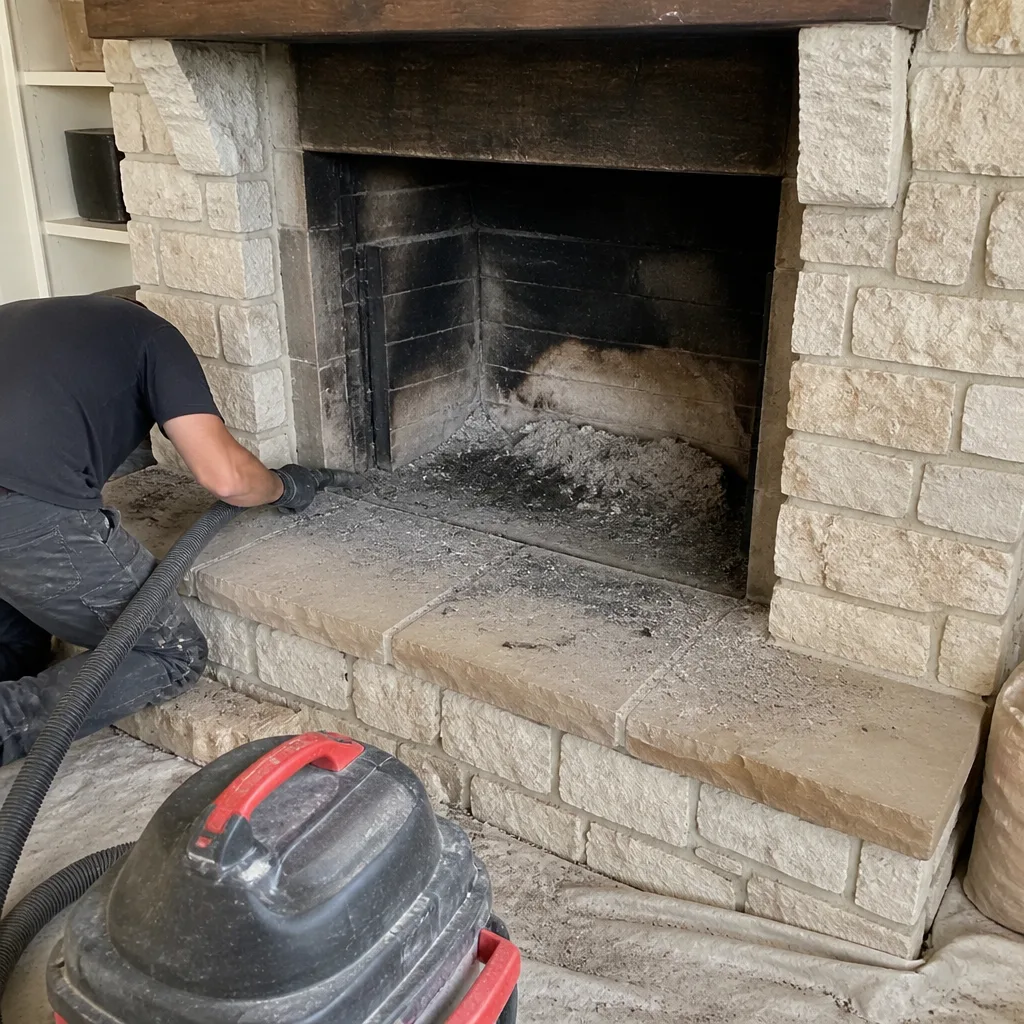
Chimney sweep logs do not sweep chimneys. They loosen some creosote - which then falls where a brush and vacuum still have to collect it.
Chimney Sweep Maintenance Checklist for Lubbock Homeowners
Most chimney advice you’ll find online was written somewhere with a real winter and a wet spring, and it doesn’t fit here. In Lubbock, the damage usually comes from two directions: wind that carries grit, leaves and grit-laden dust straight into an open flue between burns, and a wide daily temperature swing that works on mortar joints all year. The chimney doesn’t need a hard freeze to start cracking. It needs a few hundred repeats of warm afternoon, cold night. That’s what this checklist is built around: the tasks, the timing and the warning signs that actually matter for a West Texas chimney. You’ll learn what to check yourself, what to leave to a technician, and how to keep a paper trail that pays off when hail or high wind hits.
Quick Answer
A Lubbock homeowner should have the chimney swept and inspected once a year, ideally in the weeks before the first fire of the season, and check the firebox, damper and smoke shelf monthly during burning months. Between professional visits, watch the mortar joints and the cap after every high-wind or hail event, and keep a dated photo record so you can show a technician exactly what changed. Creosote buildup, windblown debris and slow mortar wear are the three things that cause the most trouble in Lubbock chimneys.
Styles & brands we work with
- Sweep & inspection
- Caps & crowns
- Flue relining
- Masonry repair
- Gas fireplace service
Table of Contents
- Month-by-Month Checklist for Lubbock’s Seasons
- What You Can Safely Check From the Firebox
- Reading Your Mortar Joints: Spalling and Thermal Stress
- Windblown Debris and Why Caps Matter Here
- Documenting Condition Year Over Year
- Which Skipped Items Affect Warranty and Insurance
- The Dryer Vent Is Part of the Same Checklist
- Common Mistakes to Avoid
Month-by-Month Checklist for Lubbock’s Seasons
National chimney guides split the year into “spring” and “fall.” Lubbock doesn’t cooperate with that. Burning season here usually starts around the first cold snap in November and tapers off by March, and the long hot stretch from May through September is when the masonry is quietly taking the most stress. So the checklist is built around what’s actually happening outside, not the calendar on a greeting card.
Here’s how we frame it for Lubbock homeowners:
- September: Book the annual sweep and inspection before the first burn. Once the cool evenings arrive, schedules fill and you’re competing for appointment slots.
- October: Clear leaves and grit from the firebox and smoke shelf, test the damper by hand, and look at the cap from the ground. This is also the month to confirm you have seasoned firewood ready.
- November through February: During active burning, check the firebox weekly for ash buildup and the smoke shelf for debris. Look up the flue with a flashlight once a month and note any shiny, glazed creosote.
- March: After the last fire, sweep out ash and close the damper. A chimney that sits with acidic ash residue for months wears faster than one that’s cleaned out.
- April and May: Walk the exterior and look hard at the mortar joints and cap. Wind season peaks in spring here, and that’s when loose mortar and damaged caps show themselves.
- June through August: This is the inspection window for repair work, since a mason or chimney technician can address mortar and cap issues before the next heating season without rushing.
That summer window matters more in Lubbock than most places. When we explain it to homeowners, we point to one number: the city recorded 65 days above 90°F in 2023, and it regularly drops below freezing by November. That’s a big spread between the hottest and coldest days of the year, and every one of those transitions puts expansion and contraction stress on the same masonry. The mortar is absorbing all of it.
What You Can Safely Check From the Firebox
There’s a lot you can inspect without tools, a ladder or any risk, and a lot you should not touch. The firebox interior is the safe zone. Anything above the damper, the exterior roofline, or inside the flue beyond what a flashlight shows you is a technician’s job.
Here’s what to look at from inside the firebox, with a flashlight:
- Smoke shelf: That ledge just behind the damper. It collects soot, leaves that blew down the flue, and sometimes bird debris. If it’s loaded up, the chimney can’t draft properly, and you’ll notice smoke rolling into the room.
- Damper function: Open and close it by hand. It should move cleanly and sit flush when closed. A damper that sticks, drops or won’t seal is a draft and heat-loss problem, and it’s usually a cheap fix if you catch it before it rusts in place.
- Visible liner cracks: Look up the flue as far as the flashlight reaches. Hairline cracks in the clay tile are common, and they matter, because a cracked liner lets heat and gases reach the surrounding masonry.
- Creosote texture: Sooty, flaky creosote brushes off easily. Shiny, glazed creosote is a different category: it’s the kind that fuels chimney fires, and it needs a professional sweep to remove safely.
- Firebox brick and mortar: Look for gaps, loose bricks or crumbling mortar inside the firebox itself. Small cracks are one thing; missing mortar is another.
The rule we give every homeowner: from the firebox, you’re looking and testing, not repairing. Don’t reach up the flue, don’t try to scrape creosote, and don’t attempt a repair on a cracked liner yourself. Those are jobs for a trained technician, and we say that plainly because the risk is real. If the firebox check turns up anything on this list, it’s time to schedule an inspection.
Reading Your Mortar Joints: Spalling and Thermal Stress
The single most useful thing a Lubbock homeowner can learn is what a failing mortar joint looks like. Not because you’re going to fix it, but because you’ll catch it two or three years earlier than you would otherwise, and that difference is often the difference between a resurfacing job and a rebuild.
Mortar is the soft material between the bricks. When water gets into a joint and the joint expands and contracts with temperature swings, the surface of the mortar starts to crumble and flake. That’s spalling. Here’s what to watch for on the exterior, from the ground, using binoculars if you have them:
- Crumbling or sandy texture: If the mortar looks like it’s turning to sand or powder, it’s already losing its binding. That’s active spalling.
- Recessed joints: Joints that look deeply set back compared to the bricks around them often mean the mortar has been eroding for years.
- Flaking brick faces: Sometimes it’s not the mortar at all. A brick face that pops or flakes is a sign moisture is getting into the brick itself.
- White staining: Efflorescence, the chalky white residue on brick, means water is moving through the masonry. It’s not always a problem, but it’s a signal to look more carefully.
- Hairline cracks in the crown: The crown is the sloped top of the chimney. Small cracks let water in, and water in a Lubbock chimney does its damage between storms, not during them.
The thermal swing here does more to mortar than most homeowners realize. Summer days bake one side of the chimney while the other stays in shade; night comes and everything cools. Repeat that a few thousand times and the weakest joints give first. When we find widespread spalling, we can often address it with HeatShield, a resurfacing product that restores a deteriorating flue liner without a full replacement. That’s not a universal fix, but it’s one option a lot of chimney-only companies don’t offer. When a flue is beyond resurfacing, DuraFlex liner systems handle the full relining work. We work with both brands because they’re the trade-trusted materials the industry actually installs, not off-brand substitutes, and we’ll tell you which one fits your chimney and why.
Windblown Debris and Why Caps Matter Here
Lubbock’s wind is the quiet enemy of a clean chimney. On a gusty day, grit, dust and leaves move across a roof at a rate that surprises people who moved here from calmer places. If the chimney cap is missing, damaged or too small for the flue opening, that material ends up in your chimney between burns. It sits there, blocks draft, and adds fuel load the next time you light a fire.
What to check on the cap:
- Is it there? Go outside and look up. A missing cap is one of the most common things we find in Lubbock, and it’s an easy one to catch if you know to look.
- Is it intact? Hail and wind can crack or dislodge a cap, and a loose cap on a windy day is a hazard in itself.
- Is it the right size? A cap that doesn’t properly cover the flue opening lets debris in and can disrupt draft. This one you’ll want a technician to confirm.
- Is the screen intact? Spark screens keep embers in and animals out. A torn screen is a small problem that becomes a bigger one when a bird or squirrel finds it.
Even with a good cap, occasional debris gets through. That’s why we suggest a flashlight check of the smoke shelf during burning season and a sweep before the first fire. If you’re wondering how often to schedule the professional visit, the short answer is once a year, and the longer explanation is on our chimney sweep page.
Documenting Condition Year Over Year
Here’s a maintenance habit almost no homeowner keeps, and it’s the one that pays off most in Lubbock: a photo record.
Once a year, usually in the spring or summer after any storm activity, walk the exterior of the chimney and take dated photos. Same angles, same distance, same light if you can manage it. Do the same inside the firebox. Then keep them somewhere you’ll find them next year, saved to your phone or in a folder.
Why it matters:
- Insurance claims: After hail or high wind, an adjuster wants to know what changed and when. A dated photo of your intact cap in May and a damaged one in June settles the question fast.
- Baseline for the technician: When a technician inspects your chimney, they can compare against what you saw a year ago. Small changes look small in isolation but obvious against a baseline.
- Decisions about repair timing: A joint that looked the same for three years is stable. A joint that declined between two springs is a candidate for repair now. That’s a judgment you can only make with a record.
- Repair history: If we resurface a flue with HeatShield or install a DuraFlex liner, keep the documentation. When you sell the house or file a claim, a documented repair is worth more than an undocumented one.
A sweep and inspection report belongs in the same folder. Any reputable technician will give you a written summary of what they found, and that’s exactly the kind of record you want to keep.
Which Skipped Items Affect Warranty and Insurance
This section matters because we get asked about it more than almost any other topic. The honest answer is that policies and warranties vary, so you need to read yours. But there are patterns worth knowing.
Items that commonly matter:
- Annual sweep and inspection: Many homeowner policies, and many chimney liner warranties, expect the chimney to be maintained and inspected regularly. Skipping years of service is the single fastest way to give an insurer an argument.
- Documented repairs: If you had a flue resurfaced or a liner installed, keep the receipt and the brand information. Undocumented repairs are hard to prove when you need to.
- Cap integrity: A missing or damaged cap is an easy thing for an adjuster to point at after a water or debris claim. It’s also an inexpensive thing to keep intact, which is why we bring it up in almost every inspection.
- Dryer vent condition: Most policies treat a dryer vent fire as a maintenance failure if the vent hasn’t been cleaned. That’s part of why we offer dryer vent cleaning alongside chimney work. It’s a real fire hazard, not an upsell, and a kept-up vent is a documented one.
- Creosote buildup: A chimney fire caused by neglected creosote is the classic example of a maintenance claim an insurer will examine closely. The fix is straightforward: sweep before the season and don’t let glazed creosote accumulate.
What we can’t do is tell you your specific policy will or won’t cover something. Read the exclusions, ask your agent, and keep records. If a technician finds a problem, you’ll want a written inspection report in your file the day after the storm, not the week after.
The Dryer Vent Is Part of the Same Checklist
If you own a dryer, add one item to your annual chimney checklist: the dryer vent. It sounds like a different system, and technically it is, but it carries the same kind of risk and deserves the same annual attention.
Lint accumulates in dryer vent lines over time, and enough of it can ignite. This is one of the more common household fire hazards in the country, and it’s one of the least inspected. Our checklist for Lubbock homeowners includes it because a homeowner who’s already scheduling a chimney sweep is one call away from getting the dryer vent addressed at the same time. That’s a level of convenience matched by a level of thoroughness: one team that inspects, diagnoses and repairs both systems.
What to check yourself, between professional cleanings:
- Lint filter: Clean it after every load. This is basic and easy to skip.
- Drying time: If clothes take markedly longer to dry, the vent line is probably restricted.
- Exterior vent flap: The flap outside should open freely when the dryer runs. A flap stuck closed traps heat and lint.
- Visible lint around the dryer: Excess lint near the back of the dryer is a sign the vent line isn’t carrying lint out efficiently.
Famco dryer vent products are part of the materials we work with when a vent needs reworking or replacing. That’s part of how we handle the full-service side: the same call that gets your chimney swept can also address dryer vent safety, without sending you to a second specialist.
Common Mistakes to Avoid
- Waiting for a problem to book the sweep. By the time smoke rolls into the room, the chimney has been overdue for a while. Booking the annual sweep before the first fire keeps small issues small.
- Skipping the exterior inspection after wind or hail. Lubbock gets both, sometimes in the same week. A cap that looked fine in October can be cracked or missing by May.
- Assuming a clean liner is a safe liner. A sweep removes creosote, but it doesn’t fix a cracked liner. The inspection is what finds the cracks, and that’s a separate step from cleaning.
- Treating the dryer vent as optional. Chimney-only companies skip it, and homeowners don’t always know to ask. It’s a real fire hazard and it deserves a slot on the annual checklist.
- Letting a handyman handle liner work. Resurfacing and relining use trade-trusted materials like HeatShield and DuraFlex, and the install details matter. A generalist with a brush isn’t the same as a specialist with the right materials and training.
- Not documenting anything. Photos, inspection reports and repair receipts are the paper trail that pays off when you have a claim, sell the house, or need to know what changed.
- Ignoring mortar joints until they’re obvious. Spalling is subtle at first. Catching it early often means resurfacing rather than rebuilding.
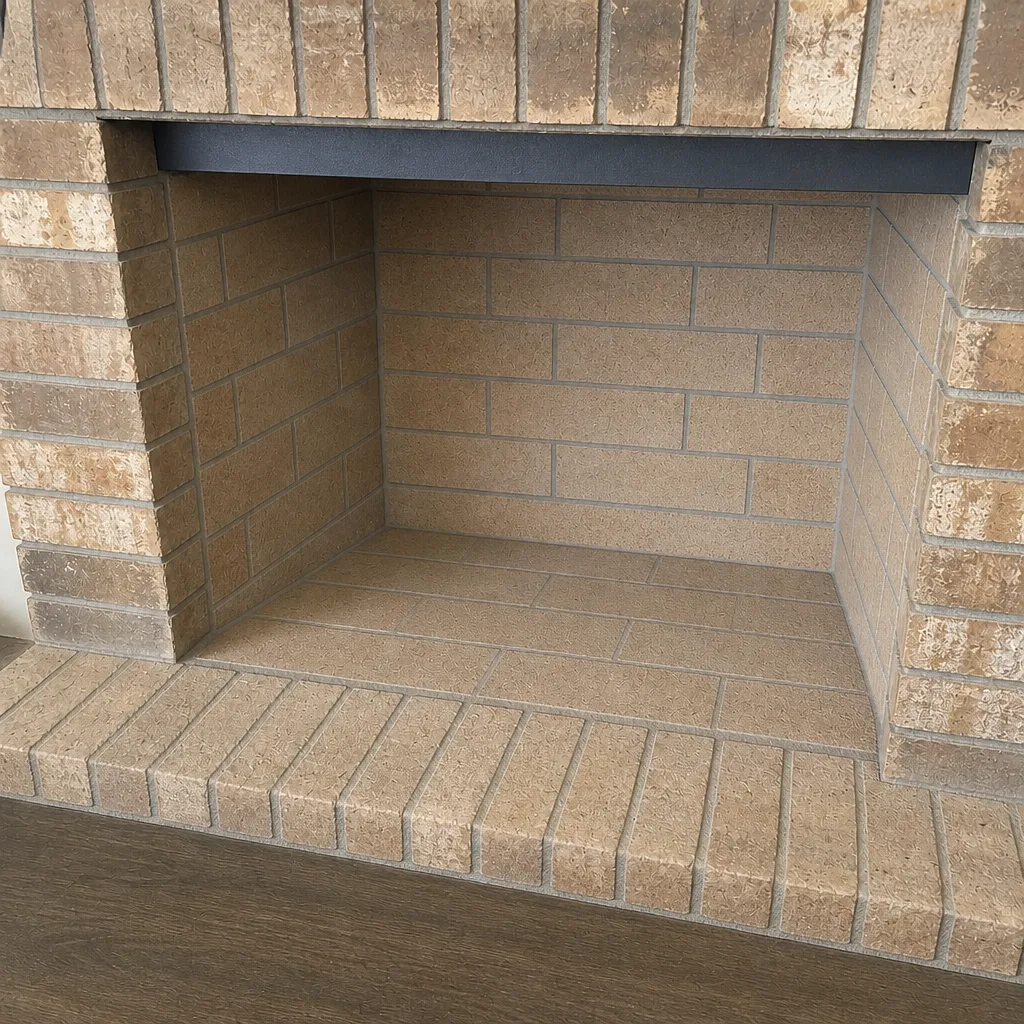
See the difference
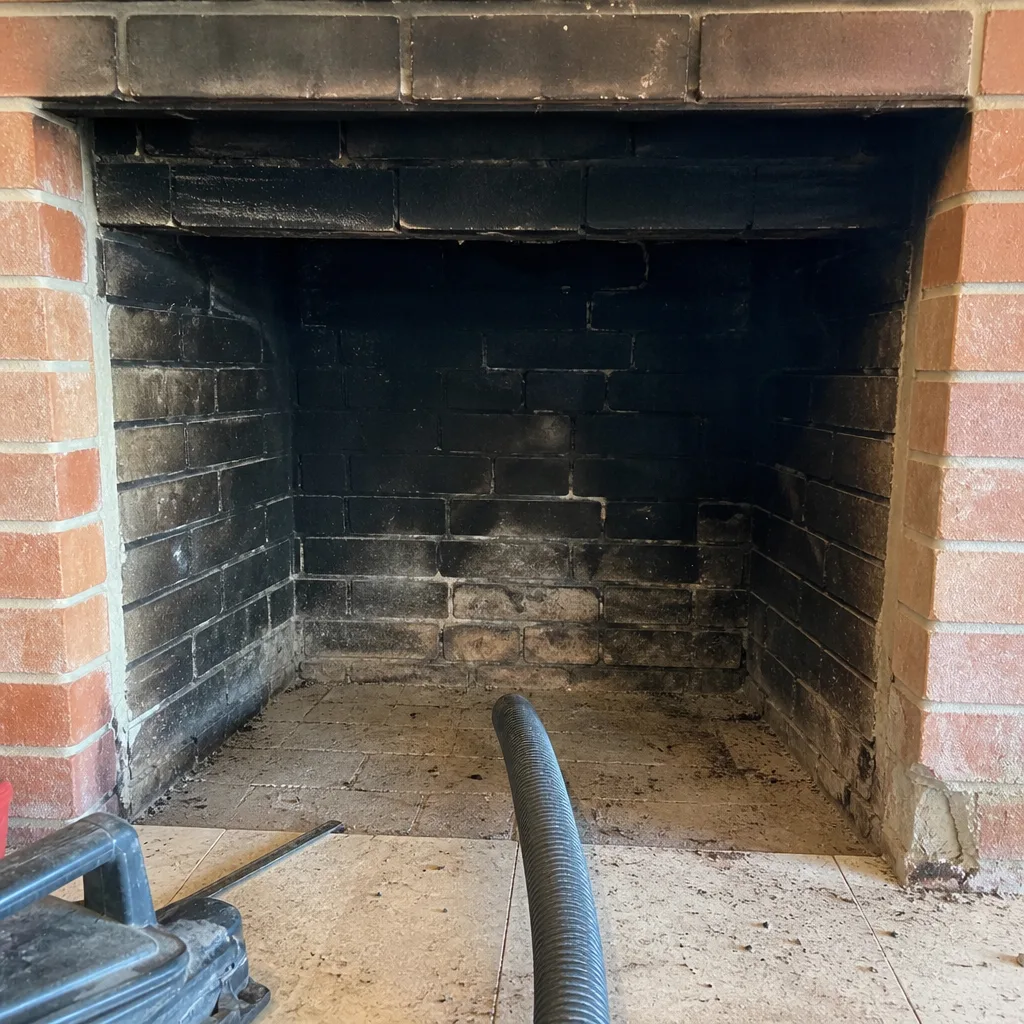 Before
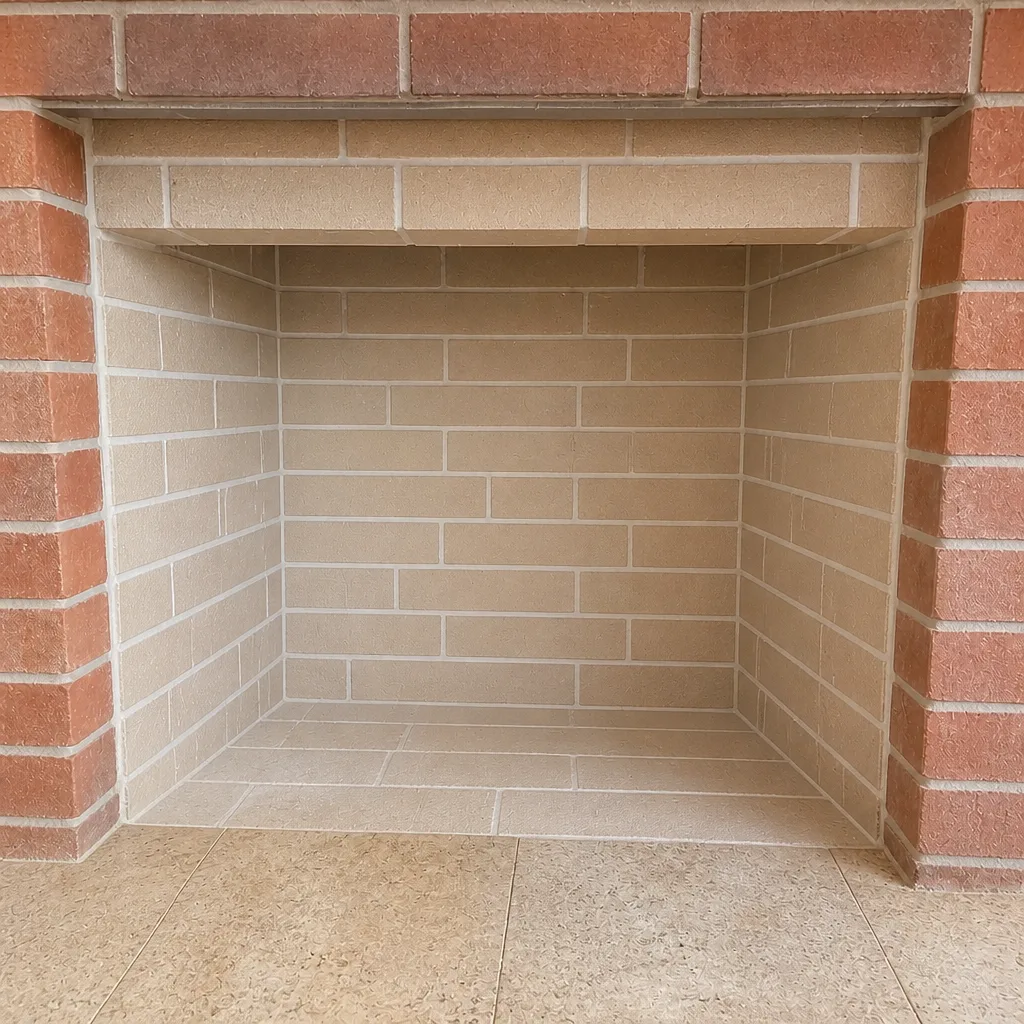 After
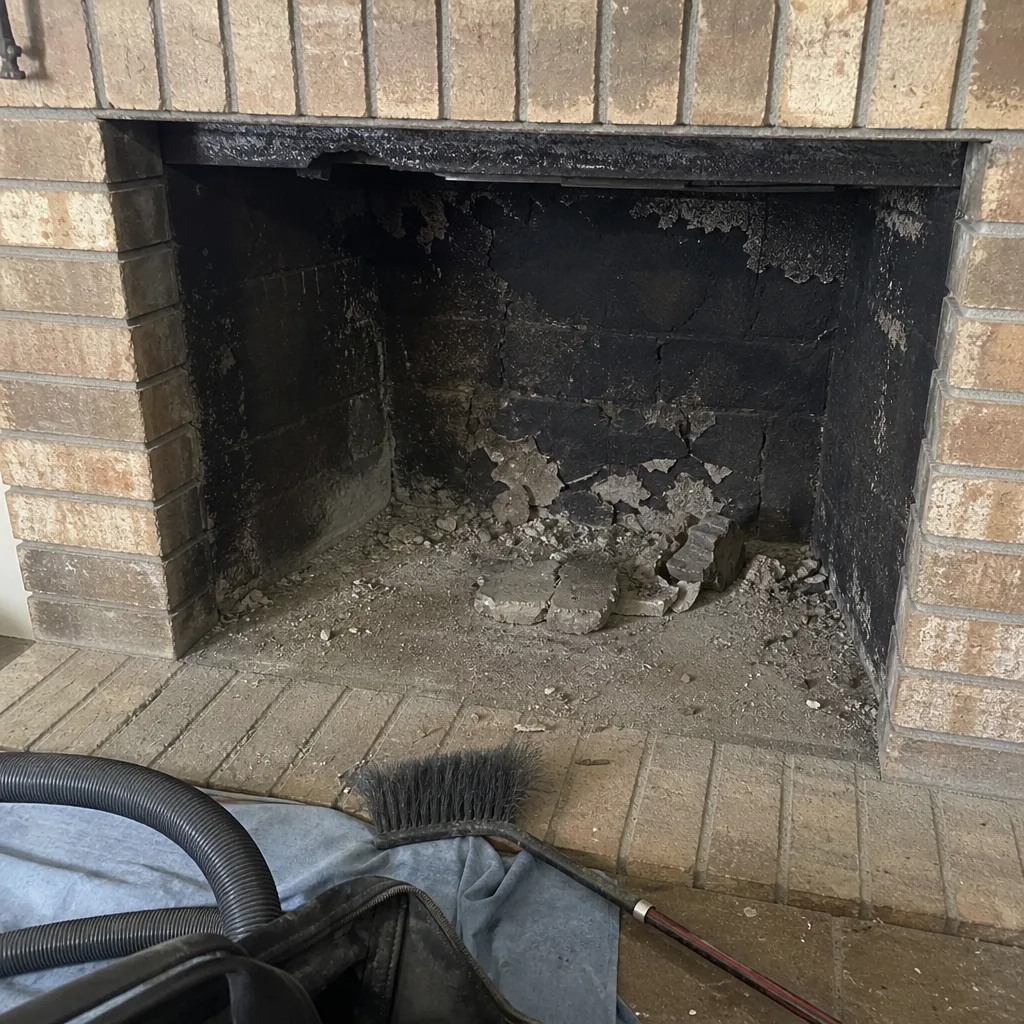 Before
 After
 Before
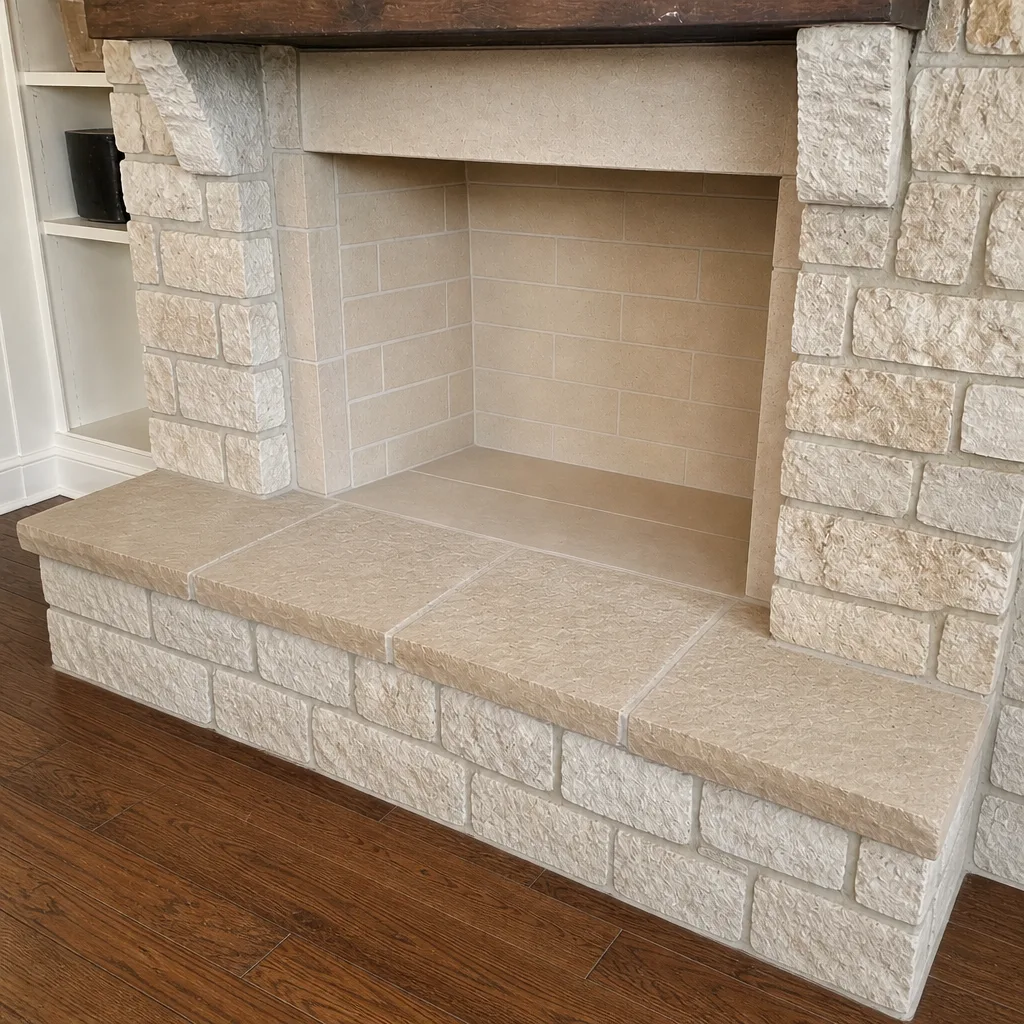 After
When to Call a Professional
Call a chimney technician when you see or suspect any of these: glazed creosote up the flue, visible cracks in the liner, crumbling mortar on the exterior, a damper that won’t seal, smoke rolling into the room, a cap that’s damaged or missing, or more than a year since the last sweep. Call sooner if you’ve had a chimney fire, even a small one, because the visible damage is often less than what’s inside the flue. And call if the last inspection was done by someone without documentation, because a written record is part of the service.
Chimney Sweep Lubbock offers free estimates in Lubbock. Our technicians have up to 12 years of experience and work with the trade-trusted brands the industry actually uses. Call (855) 617-0455. We answer 24/7. Fast dispatch from 7am to 7pm, Sunday through Friday.
Frequently Asked Questions
Once a year for most Lubbock homes, usually scheduled in the weeks before the first fire of the season. Homes that burn frequently or use unseasoned wood may need it more often. A yearly inspection catches creosote buildup and mortar wear before they become larger problems. Call (855) 617-0455 to book a sweep or ask about your specific situation.
From the firebox, you can safely check the smoke shelf for debris, test the damper by hand, look up the flue with a flashlight for visible cracks, and look at creosote texture. Outside, you can see the cap and the mortar joints from the ground. Anything above the damper, on the roof, or inside the flue beyond a flashlight view is a technician’s job.
Yes, and more than most homeowners expect. Lubbock recorded 65 days above 90°F in 2023 and regularly drops below freezing by November. That temperature swing expands and contracts masonry all year, and it works on the mortar joints the most. Add in windblown grit and debris, and the maintenance calendar here is different from a generic national checklist.
Not every damaged flue needs a full liner replacement. In many cases a HeatShield resurfacing can restore a deteriorating flue without the cost of a full reline. When a flue is beyond resurfacing, DuraFlex liner systems handle the full replacement. A technician should inspect, diagnose and recommend based on what’s actually there, not a template. Call (855) 617-0455 for a free estimate.
Creosote accumulates, draft weakens, and mortar wear goes unnoticed. Over time that adds up to a fire risk and a repair bill that could have been smaller. Most insurance policies and liner warranties also expect regular inspection, so skipping years can create a claim problem down the road. A yearly sweep is one of the least expensive forms of home maintenance.
Because lint buildup is one of the more common household fire hazards, and it’s easy to miss. The same inspection and repair mindset applies. When you book a chimney sweep in Lubbock, you can add dryer vent cleaning, and one team handles both instead of sending you to a second contractor.
The Bottom Line
A Lubbock chimney does best with a yearly sweep and inspection, a monthly flashlight check during burning season, and a spring walk around the exterior to look for mortar wear, cap damage and debris. The photo record is the piece most homeowners skip, and it’s the one that pays off after hail, wind, or a future sale. Between visits, don’t reach up the flue, don’t try to scrape glazed creosote, and don’t ignore the dryer vent. Book the inspection before the first fire, ask for a written report, and keep it with your other home records.
If it’s time to schedule, looking up a full-service Chimney Sweep Lubbock provider means one call handles the sweep, the inspection, any repair, and the dryer vent. If you’re new to the area and asking around for a local chimney sweep in Lubbock, ask whether they can tell you what brand of material they use for repairs. If they can’t, that tells you something. We can, and we’ll explain why we chose it.
Call (855) 617-0455 for a free estimate. We answer 24/7. Fast dispatch from 7am to 7pm, Sunday through Friday.
Written by the team at Chimney Sweep Lubbock.