
Last updated November 15, 2026
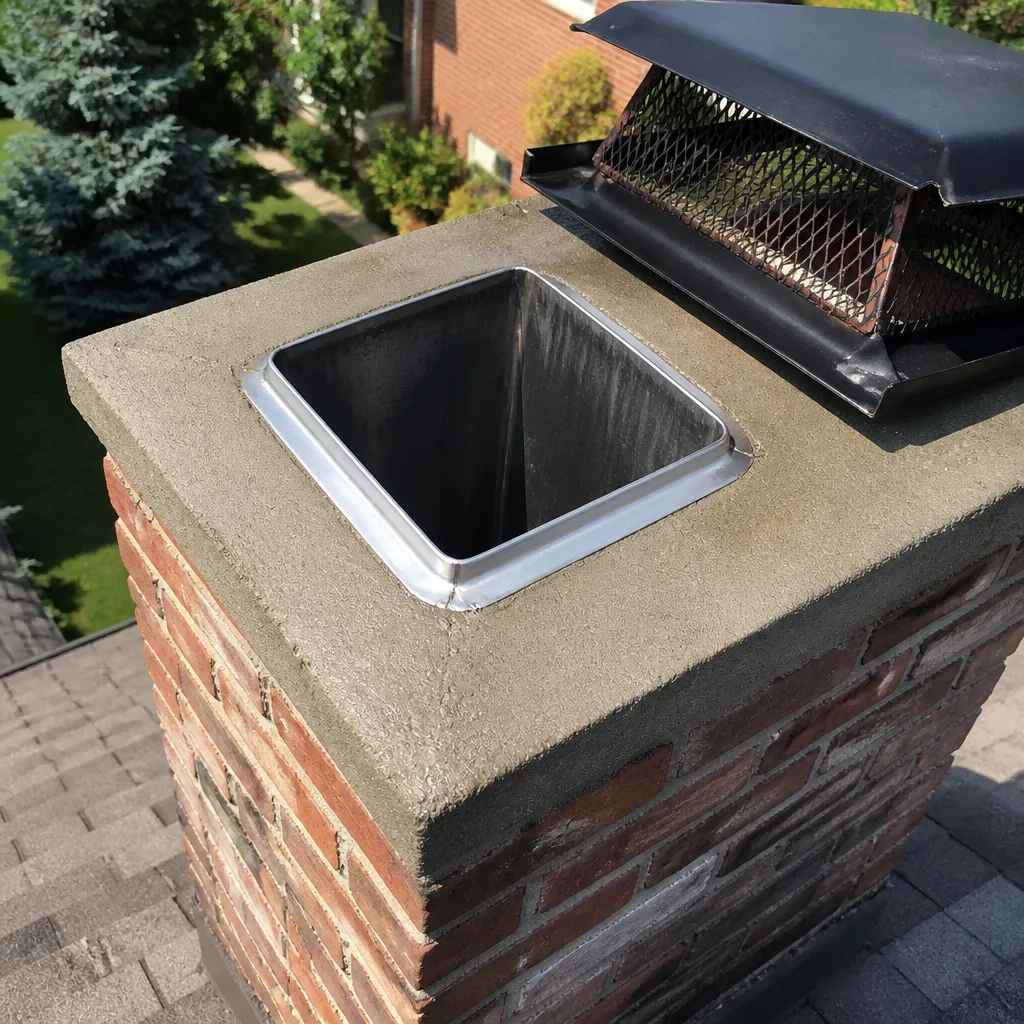 Sweep & inspection
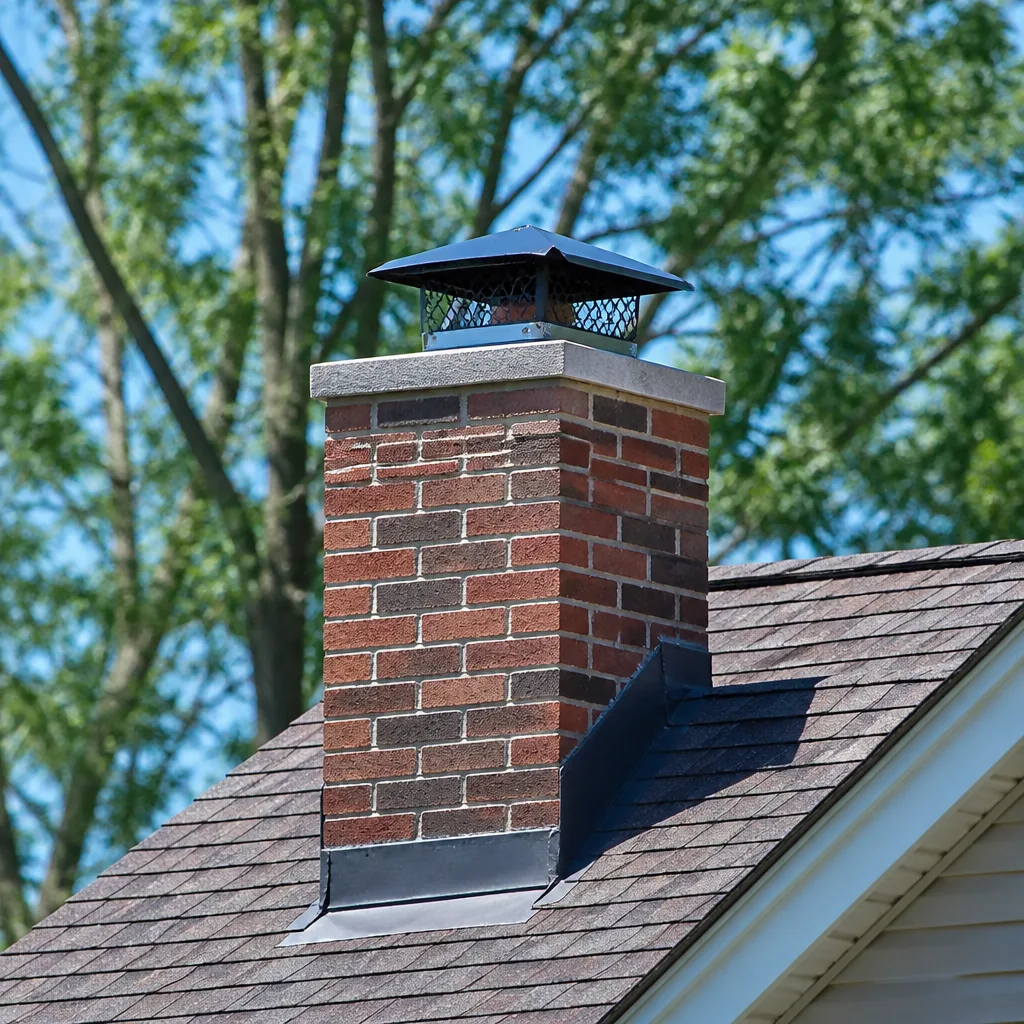 Caps & crowns
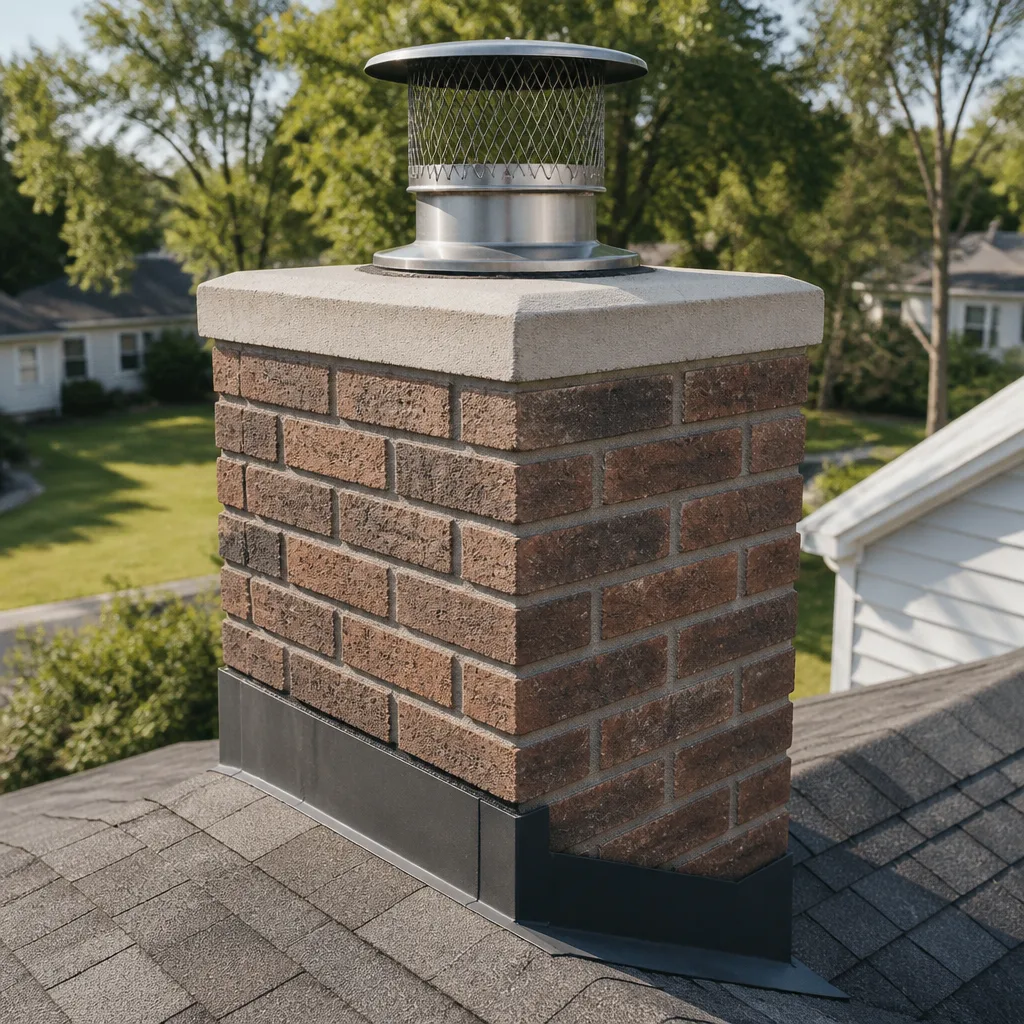 Flue relining
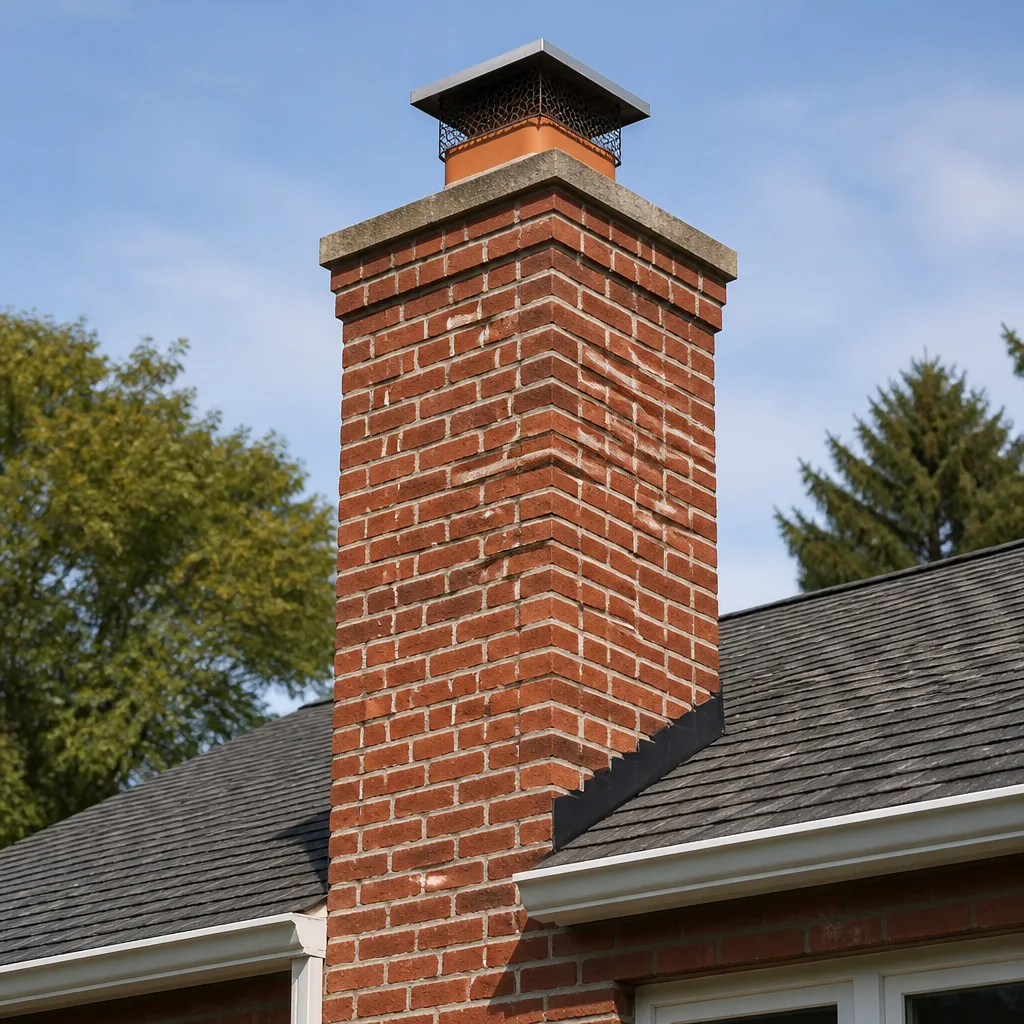 Masonry repair
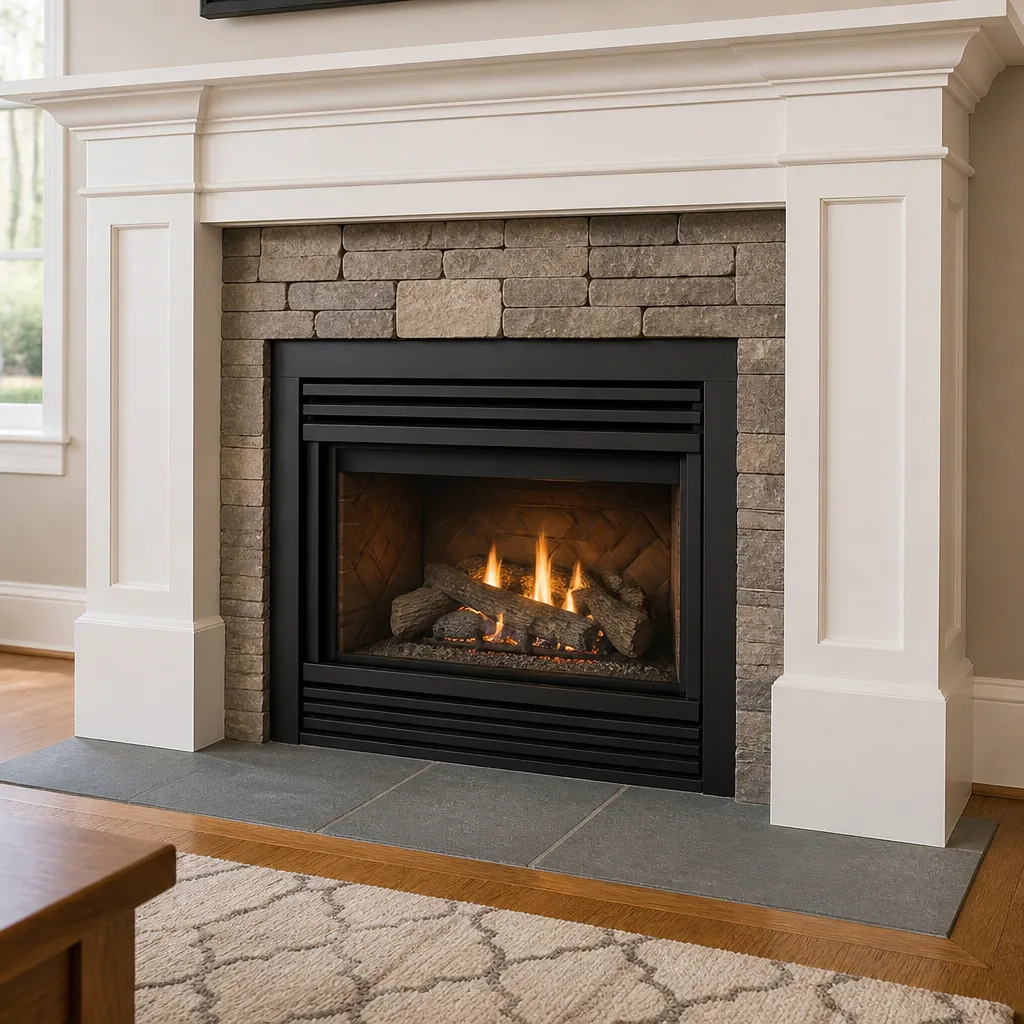 Gas fireplace service
Level 1 sweep and inspection to the NFPA 211 annual standard - flue, crown, cap, and flashing checked and photographed
Chimney sweep logs do not sweep chimneys. They loosen some creosote - which then falls where a brush and vacuum still have to collect it.
Choosing the Right Chimney Cleaning Brand: A Buyer’s Guide for Lubbock
Most homeowners judge a chimney job by the price on the invoice, not by the parts that went into it. That’s the mistake. A sweep is a service, but the repair work that follows a sweep is a pile of materials, and materials carry a lifespan you can measure in seasons. A galvanized cap from a hardware store and a stainless cap spec’d for the job look identical on day one. Eighteen months and two Lubbock hail seasons later, they don’t. This guide covers the product categories where brand selection actually changes how long a repair lasts, and how to ask a contractor which ones they use.
Quick Answer
The right chimney brand isn’t about the cleaner, it’s about the repair materials: caps, crown coatings, liners and waterproofing sealants. Ask every contractor to name the brands they install for each category, and expect specific answers. A professional-grade liner system from a brand like HeatShield or Olympia Chimney, a stainless cap, and a breathable masonry sealer are what separate a repair that lasts years from one that lasts a season.
Styles & brands we work with
- Sweep & inspection
- Caps & crowns
- Flue relining
- Masonry repair
- Gas fireplace service
Table of Contents
- Why the Brand Behind the Material Matters
- Chimney Caps: Stainless vs. Galvanized vs. Aluminum
- Crown Coatings and Waterproofing Sealants
- Liner Systems: HeatShield, Flexliner and HomeSaver Compared
- How to Ask a Contractor What Brands They Use
- Why Lubbock’s Climate Punishes Cheap Materials
- Dryer Vent Systems Are a Brand Decision Too
- Common Mistakes to Avoid
Why the Brand Behind the Material Matters
You never see the work. That’s the core problem. Once the technician climbs down and the sweep is done, the cap, the crown patch, the liner join and the sealer are all out of sight. The only thing you can verify is what the technician tells you and what’s printed on the product label, if anyone bothered to show you one.
Brand matters because manufacturers build to different tolerances and stand behind their products differently. A trade-supplied brand earns its place by failing less often. That’s the whole mechanism. When we name HeatShield, Gelco or Olympia Chimney in an estimate, we’re saying those products are built for the job and supported by a manufacturer that tracks installation. When we don’t, the homeowner is buying labor and hoping.
Here’s what to look for in any professional-grade product:
- Manufacturer-backed installation – the maker tracks who installs its products, so a technician using it has been vetted enough to be listed.
- Sold through trade channels, not hardware aisles – professional-tier products usually aren’t available to a handyman or general contractor.
- A stated material spec – “stainless” honestly written, with a grade, instead of a general label that hides the alloy.
- Documented application – printed instructions the installer follows, not a guess.
The difference between a run-of-the-mill product and a trade-grade one shows up in the failure rate. Our technicians have up to 12 years of experience, and they’ll tell you the same thing: the parts that fail early are usually the parts nobody asked about.
Chimney Caps: Stainless vs. Galvanized vs. Aluminum
A chimney cap is the first line of defense against water and animals, and the metal it’s made from determines how long that defense holds. Three common options behave very differently in the South Plains sun and hail.
Galvanized steel is the cheap option, and it rusts. The zinc coating protects it for a while, then fails, and once rust starts on thin steel the cap is on a short clock. It’s the cap you find rusting through after a couple of Lubbock summers.
Aluminum resists rust but dents easily under hail, and hail is a real factor here. A dented cap can short the spark screen or crack a weld at the seam. For a home in the Tech Terrace area, where a lot of older housing sits under established trees, an aluminum cap is also the one most likely to get knocked down by a falling limb.
Stainless steel costs more up front and holds up far better. It resists rust, handles hail, and keeps its shape and fit through freeze-free mild winters and full-sun summers alike.
Ask a contractor three questions about a cap:
- What metal is it, exactly, and what grade?
- How is it attached – screwed, or friction-fit and hoping?
- Is the spark screen the same metal as the body, or a thinner substitute?
A vague answer on those three tells you the cap is a markup item, not a spec’d part.
Crown Coatings and Waterproofing Sealants
The crown is the concrete top of the chimney, and it cracks. That’s normal. What’s not normal is a patch job done with hardware-store mortar that fails in the first hard temperature swing and lets water back in. Water in masonry is the front door to bigger problems: a saturated crown leads to a saturated flue, and a saturated flue leads to a liner that won’t protect what it was meant to protect.
Professional crown coatings are flexible, not brittle. A rigid mortar mix cracks because it can’t move with the chimney. A flexible acrylic or elastomeric crown coating is designed to bridge small cracks and stay sealed through the seasonal swings Lubbock gets, from summer heat to the mild cold snaps of winter. When a chimney repair estimate specifies a crown coating, ask what brand and whether it’s flexible.
Waterproofing sealant is the second half of the same job, and it’s where the amateur-vs-professional line gets sharp. Vapor-impermeable sealers trap moisture inside the masonry. The water gets in from the top or from driving rain, then can’t get out, and it does its damage from the inside – spalling brick, cracked mortar joints, a surface that looks fine until it doesn’t. Breathable waterproofing products let the masonry dry. That category exists because the industry learned the hard way that sealing a wall shut is worse than leaving it open.
When we waterproof a chimney in Lubbock, the product choice matters more than the number of coats. A breathable professional-grade sealer applied to a clean, dry surface is the long-term answer. A consumer-grade sealer from a hardware store is the short one.
Liner Systems: HeatShield, Flexliner and HomeSaver Compared
The flue liner is the part of the chimney that carries smoke and gases out and keeps the heat inside the flue where it belongs. When a liner is cracked, deteriorated or missing, the fix isn’t optional. But the fix also isn’t always a full tear-out. Brand and product selection determines which option a contractor can actually offer.
This is the most brand-sensitive repair on the list, and it’s where you’ll hear three names:
- HeatShield – a resurfacing system, not a liner replacement. It’s applied to a deteriorating flue to restore a smooth, sealed surface. On a liner that hasn’t failed structurally, HeatShield can save the cost of pulling everything out and starting over. Full-liner replacement is the fallback, and it isn’t always necessary.
- Flexliner – a flexible stainless liner system. It’s used when the flue needs a new liner instead of a resurfaced one. The stainless build resists corrosion and handles the temperature swings a working flue sees.
- HomeSaver – another brand in the professional relining category, built on the same principle of a corrosion-resistant stainless liner and manufacturer-tracked installation.
Which system fits a given chimney depends on the flue shape, condition and size. Older housing stock in Lubbock has flues that don’t match current construction patterns, so the liner has to fit what’s actually there. A contractor who only works with one system will steer every job toward that system. A contractor familiar with all three can tell you which one fits your chimney and why. That’s why we carry HeatShield, Gelco and Olympia Chimney – a resurfacing option, a flexible relining option, and the parts to support both.
How to Ask a Contractor What Brands They Use
This is the single most useful conversation you can have before booking a chimney sweep or repair. You don’t need to know the products. You need to know whether the person in front of you can name them.
Here’s a sequence that works:
- Ask the question plain: “What brands of material do you use for liners, caps and waterproofing?”
- Listen for specific names. A pro answers with HeatShield, Gelco, Olympia Chimney, or similar – a brand and a reason.
- Ask why. A vague answer on why a brand was picked is as telling as a vague answer on which one.
- Ask for the estimate in writing. A written estimate should state the materials, not just the labor.
A vague or evasive answer is a signal. Contractors who buy materials from a trade supply chain know the names, because the names are on the invoice. Contractors who pick up materials from whatever chain hardware store is closest can’t tell you the brand, because they bought whatever was on the shelf. It’s not a matter of honesty by itself. It’s a supply-chain difference, and it shows up in the material.
When we quote a repair, we name the products. You can compare them, look them up and ask questions. That’s the point of a written estimate. We’d rather you second-guess our material list than take a job on faith.
Why Lubbock’s Climate Punishes Cheap Materials
Lubbock is hard on exterior materials in a specific way: UV and hail. Winters are mild, so the freeze-and-split cycle that destroys roofs in colder regions isn’t the main threat here. The threat is sunlight and impact.
UV exposure breaks down sealants, plastic caps and cheap paint. The summer sun here does the cumulative damage that a brutal winter would do in other parts of the country, except it never stops. A sealer that isn’t UV-stable ages fast, and a galvanized cap that rusts in wet weather rusts faster in dry-season heat cycling. Hail is the other half. A single hailstorm can dent or crack a cheap cap or knock a lower-grade screen out of alignment. High-grade stainless steel doesn’t have the same reaction to either one.
Our repairs are built for that reality. That’s why the product categories matter: the stainless vs. galvanized vs. aluminum choice is a hail-and-UV choice, and the sealant choice is a sun-and-masonry choice. An aluminum cap on a chimney in Lubbock is a decision that will show its failure before the material choice does.
Same logic applies to liner systems. A HeatShield resurfacing job that holds up in a milder climate still has to hold up here. It’s a materials question, and there is no shortcut.
Dryer Vent Systems Are a Brand Decision Too
Most chimney companies stop at the chimney. We also handle dryer vent cleaning because a clogged dryer vent is one of the leading household fire hazards, and it’s the service that’s easiest to neglect. It’s also a brand decision. The fan, filter and vent materials behind a dryer vent system are specialized products, and a professional-grade brand like Famco is built for the airflow and fire-safety requirements the job actually requires. A cheaper substitute or a general-purpose duct is not.
For a homeowner in the Melonie Park area with a dryer vent running through a wall, the choice of ducting and vent components matters more than the cleaning itself over the long term. A dryer vent inspection and cleaning that ends with a fresh set of professional-grade components is a fire-safety fix. A quick brush-out with the same clogged, sagging route is a postponement. We recommend treating it with the same material standards as chimney work. The same team handles both, so there’s no handoff between a chimney contractor and a vent contractor.
Common Mistakes to Avoid
- Buying the cheapest cap on the shelf. A hardware store galvanized cap is a temporary part. It’s the one that rusts through first.
- Sealing a chimney with a vapor-proof sealer. The brick stays wet underneath and the damage happens from inside. Ask for a breathable waterproofing product.
- Assuming a full liner replacement is the only option. A HeatShield resurfacing job can restore a flue that hasn’t failed structurally. Always ask whether resurfacing is an option before a tear-out.
- Accepting a verbal estimate. A written estimate that names materials is the only way to compare two quotes.
- Hiring someone who can’t name the brands. If the material brand isn’t known, it’s not spec’d, and the price is the only thing you’re comparing.
- Skipping the dryer vent. A dryer duct needs the same attention a flue gets. It’s a fire-safety system, not an accessory.
- Ignoring a small crown crack in Lubbock. A crown crack is the entry point for water. Water in masonry turns a small repair into a big one.
When to Call a Professional
Call a professional when a cap is loose, dented or rusting, when a crown is cracked or crumbling, when you smell smoke back-drafting into the room, or when a flue inspection reveals a deteriorated liner. Call us after a hailstorm if a cap was hit. Call whenever a chimney hasn’t been inspected in a while, and call if your dryer is taking longer to dry a load. These are the moments when a material decision is live, and the wrong product costs more to fix than the right one would have to install. Chimney Sweep Lubbock offers free estimates in Lubbock – call (855) 617-0455.
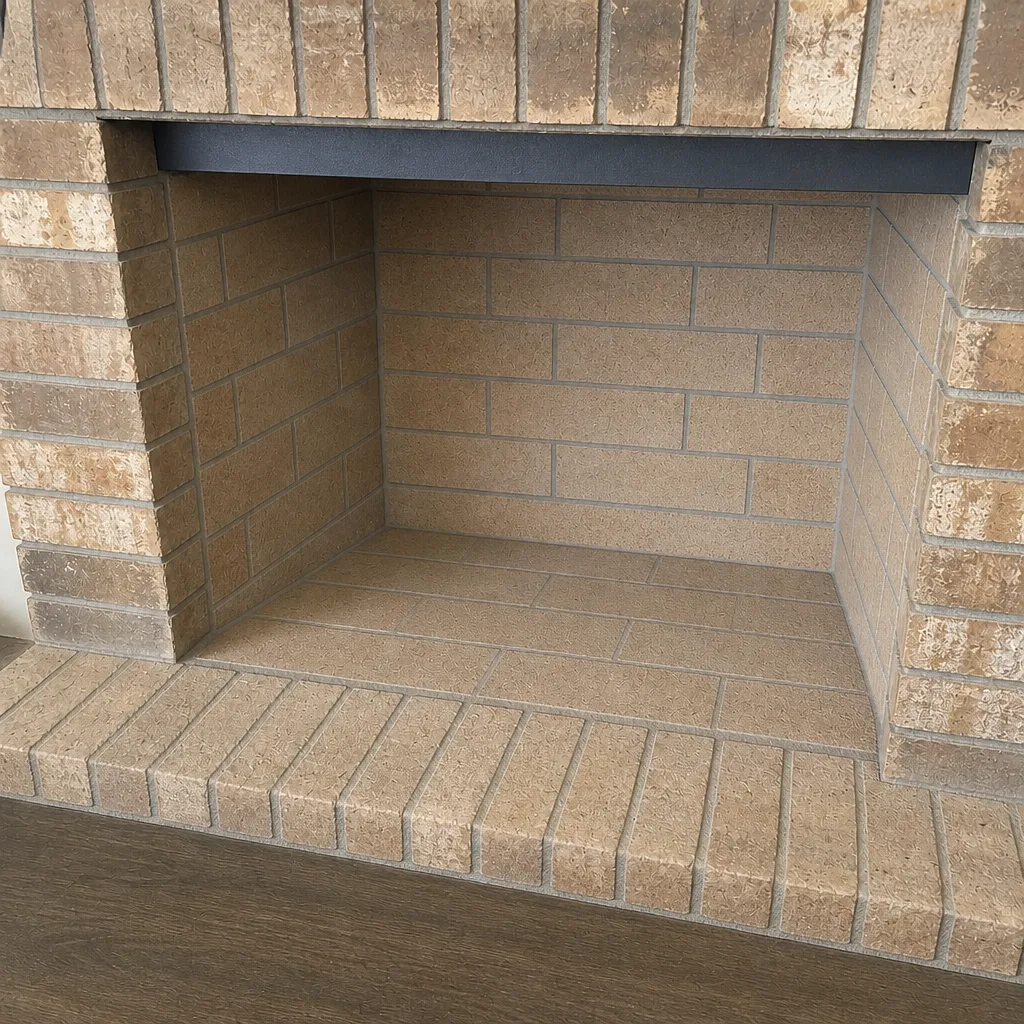
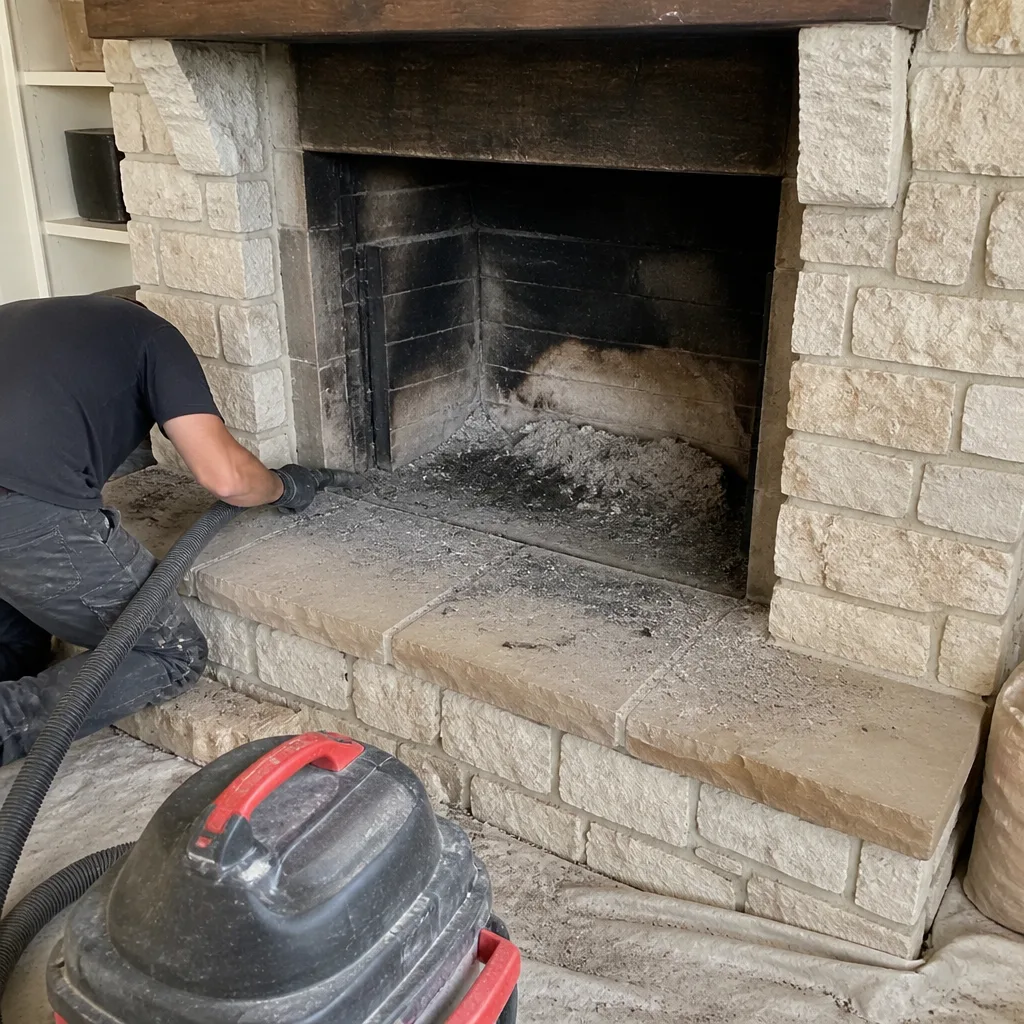
See the difference
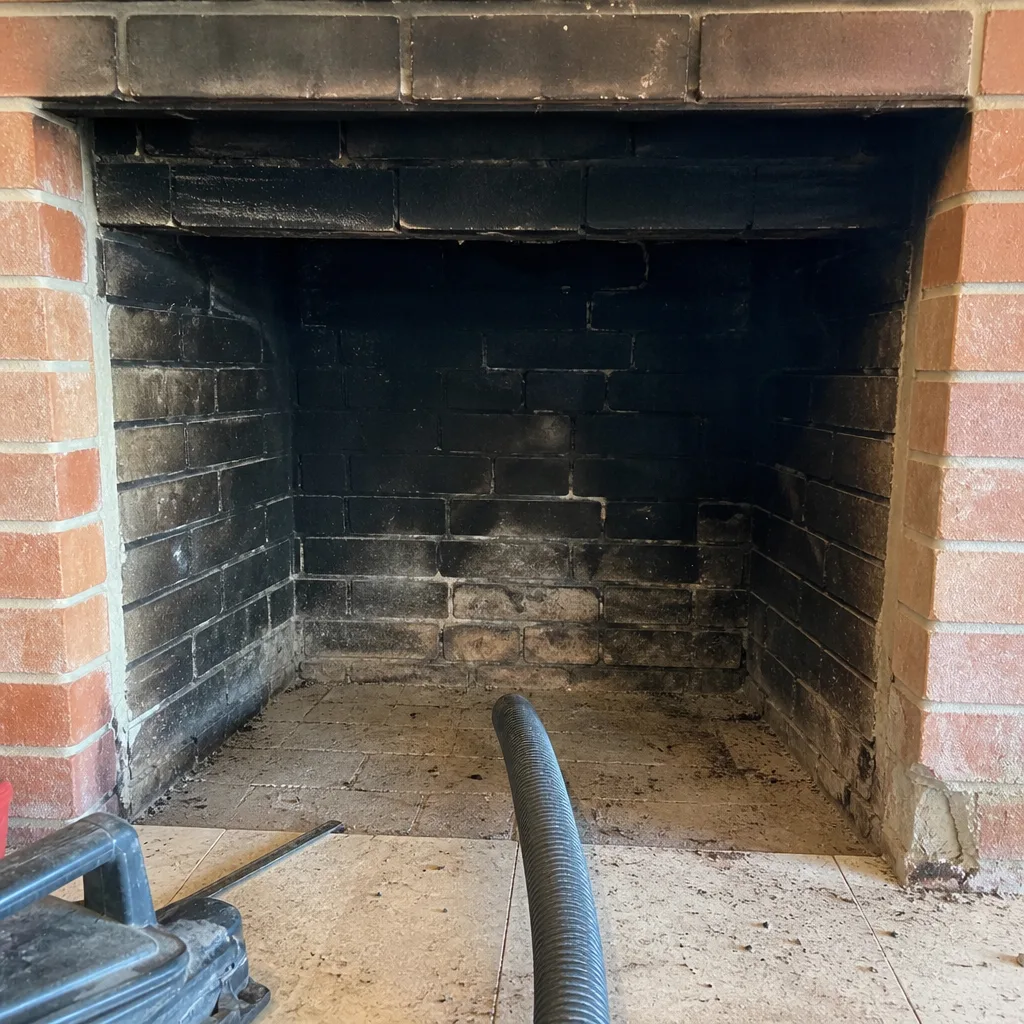 Before
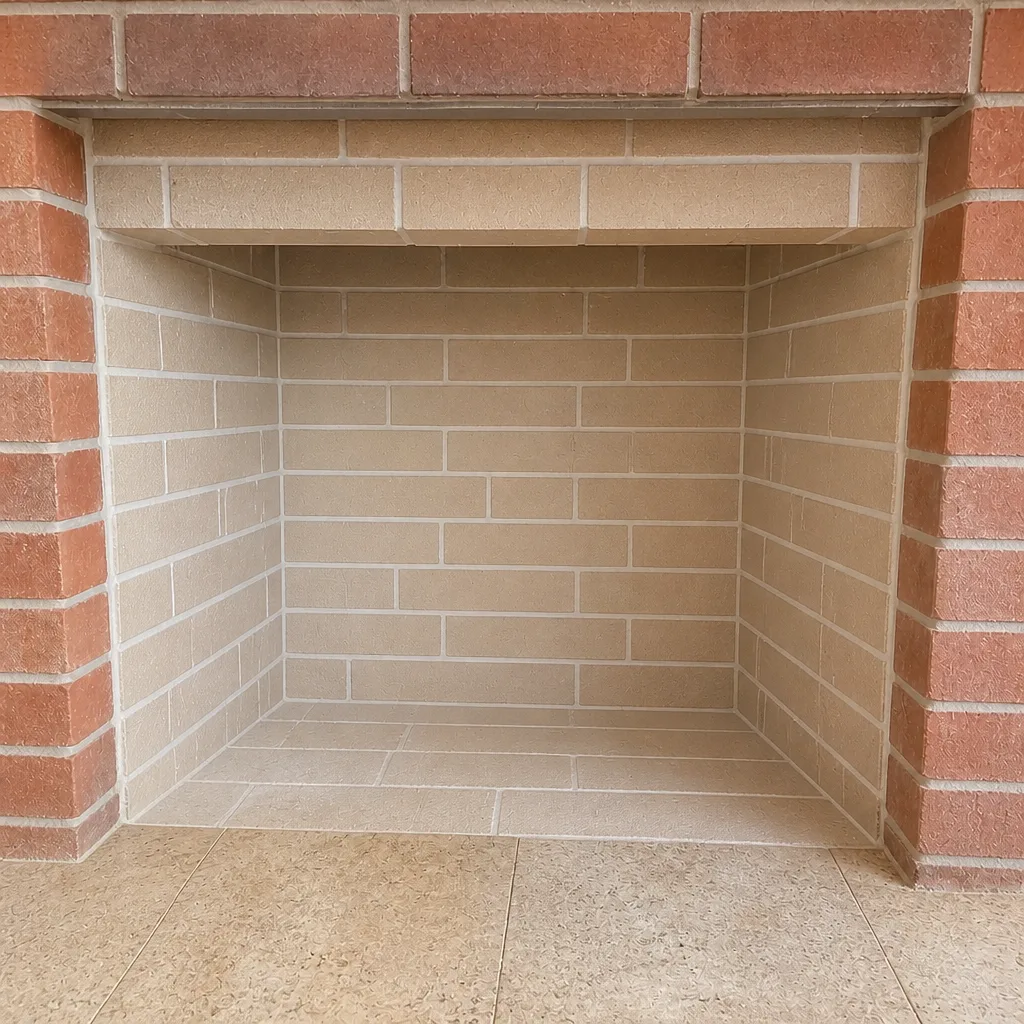 After
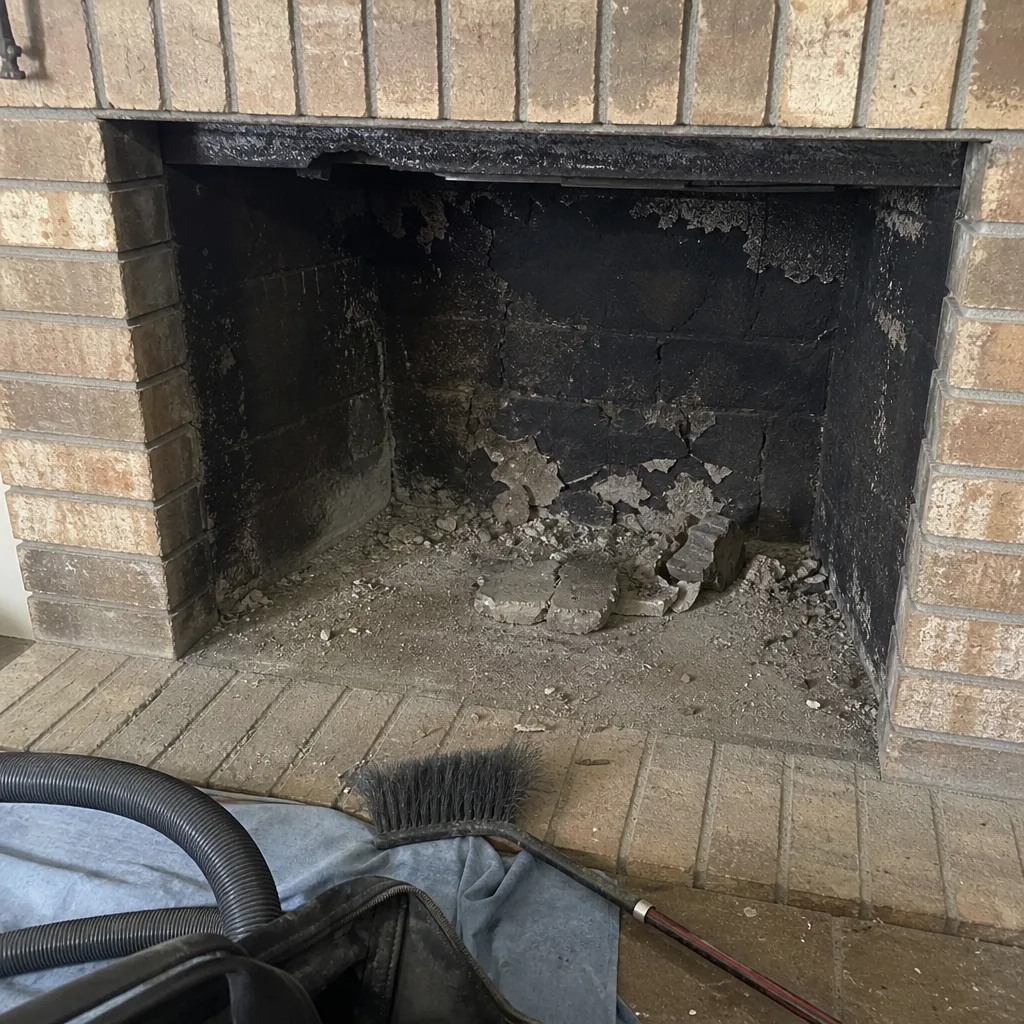 Before
 After
 Before
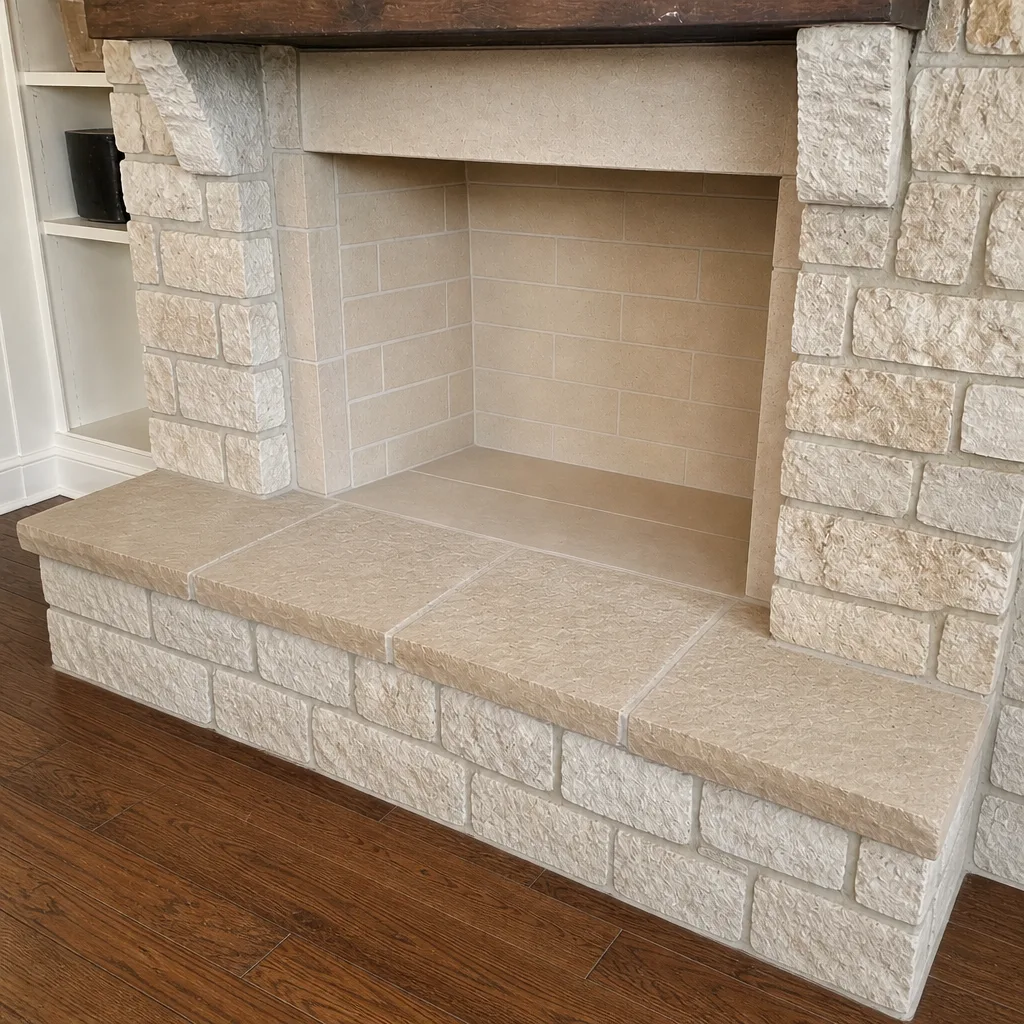 After
Frequently Asked Questions
Yes. A liner is the part that carries smoke and gases, and liner systems differ in corrosion resistance, fit and manufacturer support. A professional-grade system from a brand like HeatShield or Olympia Chimney is spec’d for the job and tracked by the manufacturer. A general-purpose substitute is not. Ask what brand before you ask the price.
A resurfacing job restores the surface of a flue that hasn’t failed structurally, and a full replacement installs a new liner when the old one has. HeatShield is a resurfacing system that can save the cost of a tear-out. A replacement is the right answer when the flue can’t be resurfaced. Which one applies depends on the condition of the flue, and that’s determined by inspection.
Stainless steel is the better choice for the local climate. Galvanized steel rusts, aluminum dents easily under hail, and stainless handles both. The cost difference up front is usually small compared to the lifespan difference, so a stainless cap is the sounder purchase over time.
A vapor-impermeable sealer can. It traps moisture inside the masonry, where it does damage invisibly until the brick spalls or the mortar joint opens. A breathable waterproofing product lets the masonry dry. Always ask whether the sealer is breathable before it goes on. Call (855) 617-0455 for an exact quote – estimates are free.
Compare the materials, not just the total. A written estimate that names the brand and product category for each line item gives you a real comparison. An estimate that lists only labor and a total doesn’t. Ask for the material list in writing, and ask why each one was chosen.
UV and hail punish cheap exterior materials here. Winters are mild, so the freeze-thaw cycle isn’t the main threat; sunlight and impact are. That makes material grade the deciding variable in how long a cap, sealant or crown coating lasts. Call (855) 617-0455 for a free estimate on any repair.
The Bottom Line
The brand behind your chimney repair is the part of the job you can’t see but will absolutely live with. Caps, crown coatings, liners and sealants all have a professional-grade option and a shelf-grade option, and the difference shows up in failure rate and lifespan, not in a sales pitch. Ask any contractor to name the brands they install. Expect specific answers. We use HeatShield, Gelco, Olympia Chimney and Famco because those are the products built for the work, and because a written estimate should give you something to compare. When you’re ready to sort out the flue, the cap or the dryer vent, start with an inspection and let the materials follow the evidence.
Contact Us
Chimney Sweep Lubbock provides chimney sweeping, chimney repair and dryer vent cleaning as a full-service chimney and dryer vent specialist. Our technicians have up to 12 years of experience, and we build every repair around professional-grade materials from trade-trusted brands. Call (855) 617-0455. We answer 24/7. Fast dispatch from 7am to 7pm, Sunday through Friday. Estimates are free, and the written estimate sets the final price.
Written by the team at Chimney Sweep Lubbock.