
Last updated November 15, 2026
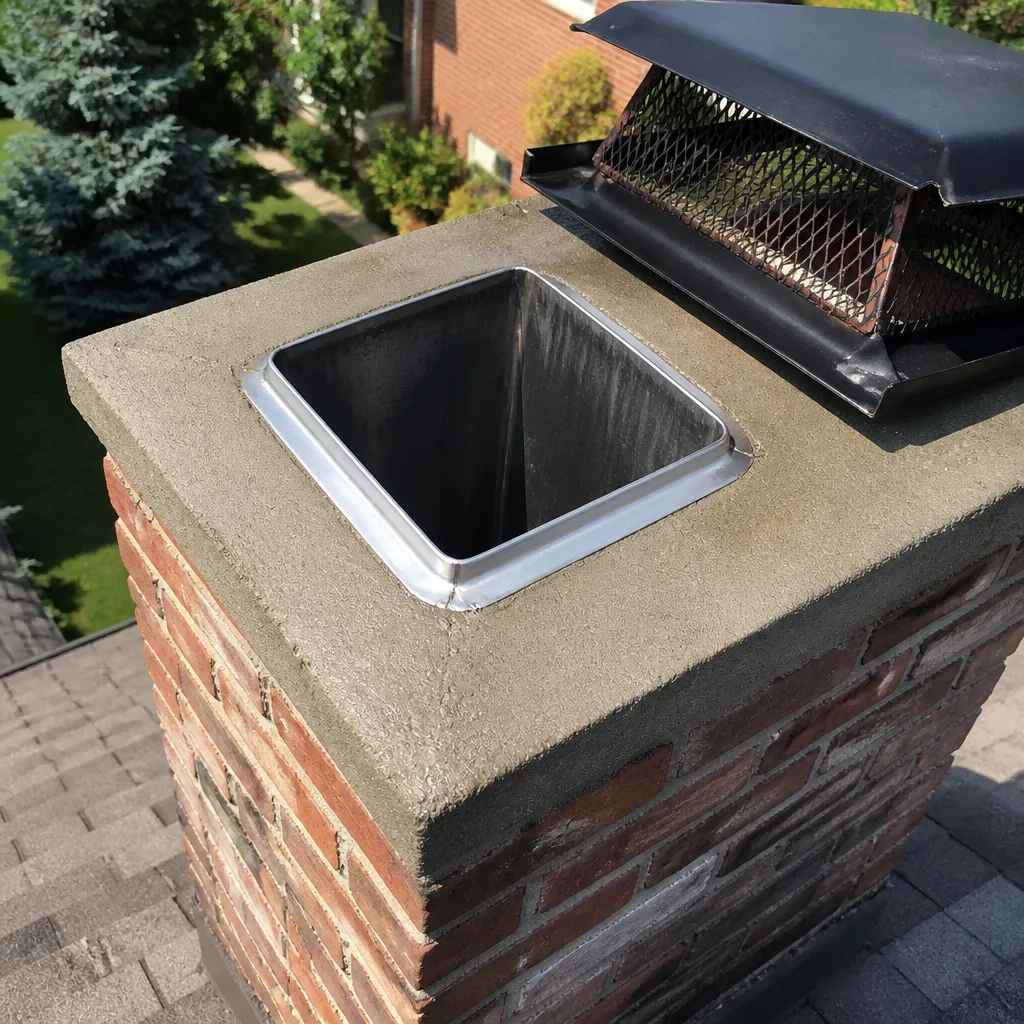 Sweep & inspection
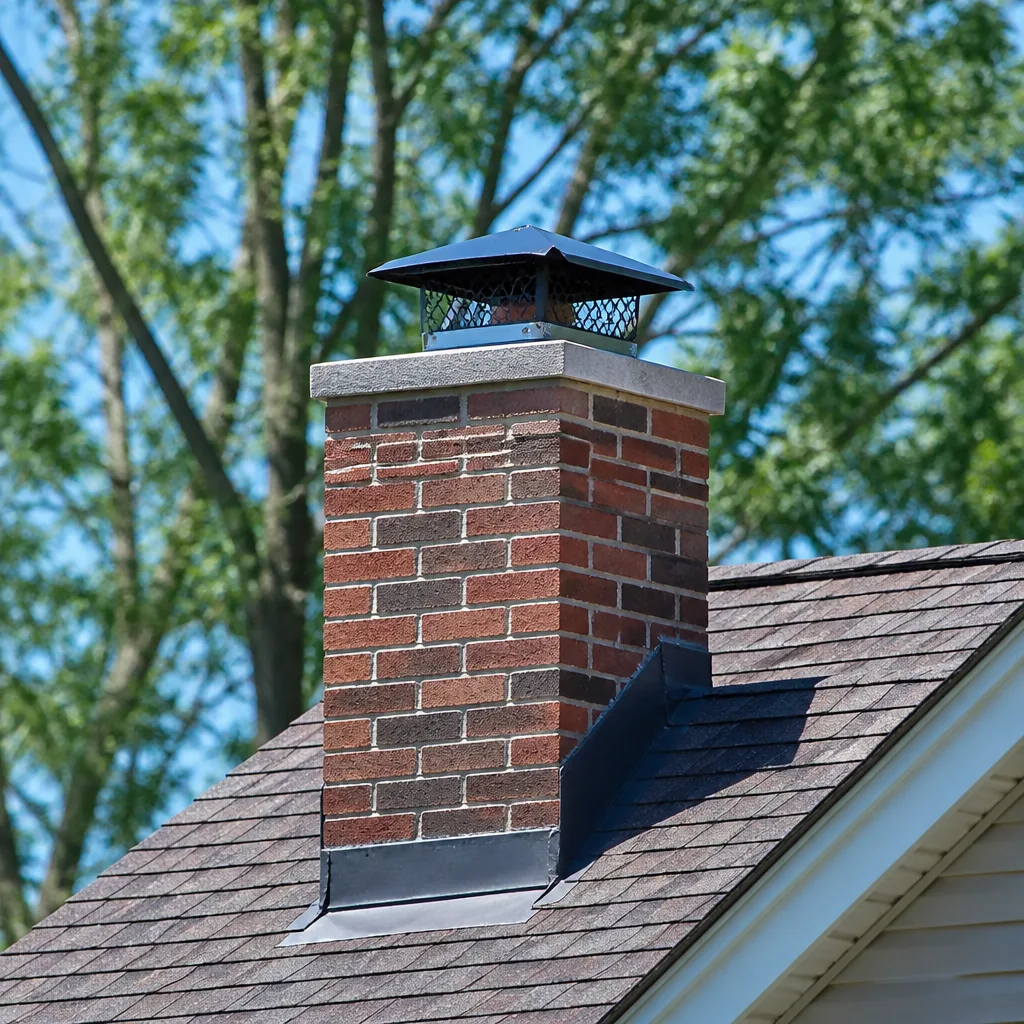 Caps & crowns
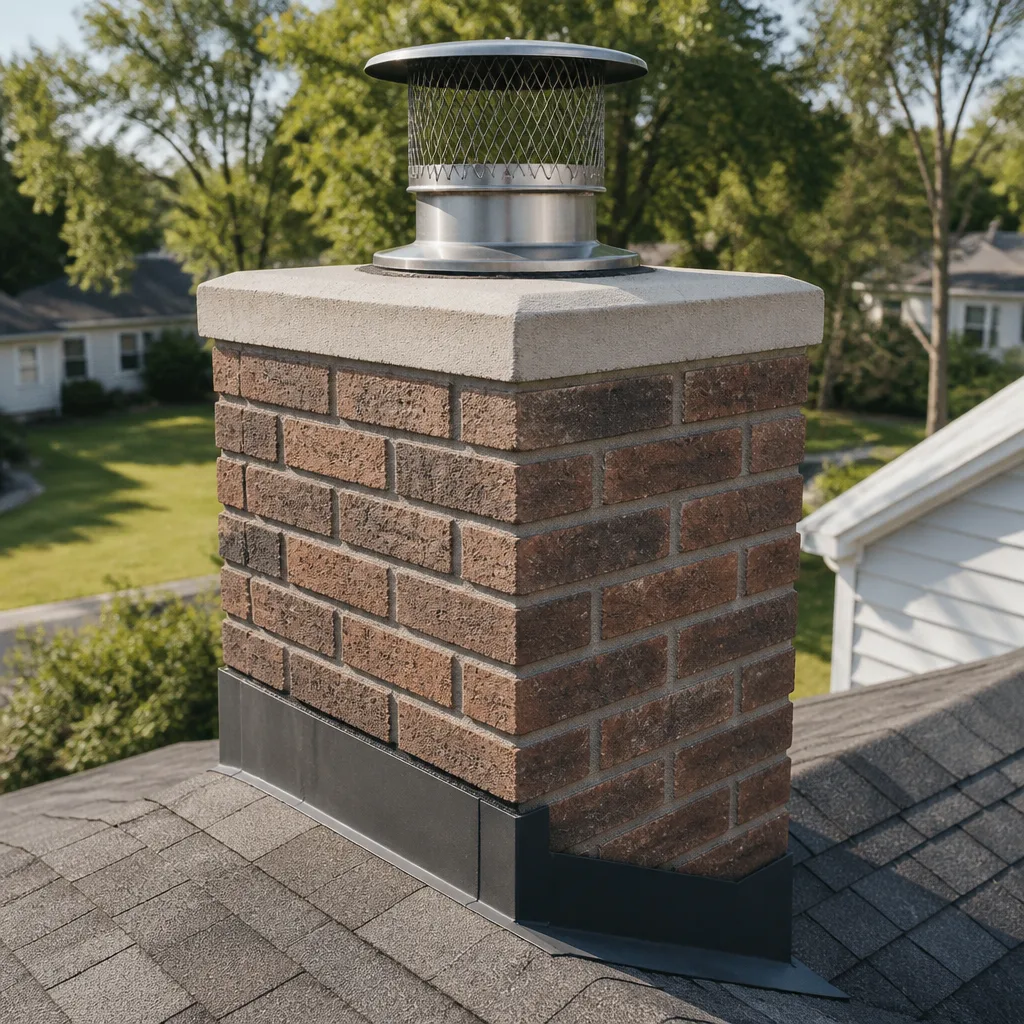 Flue relining
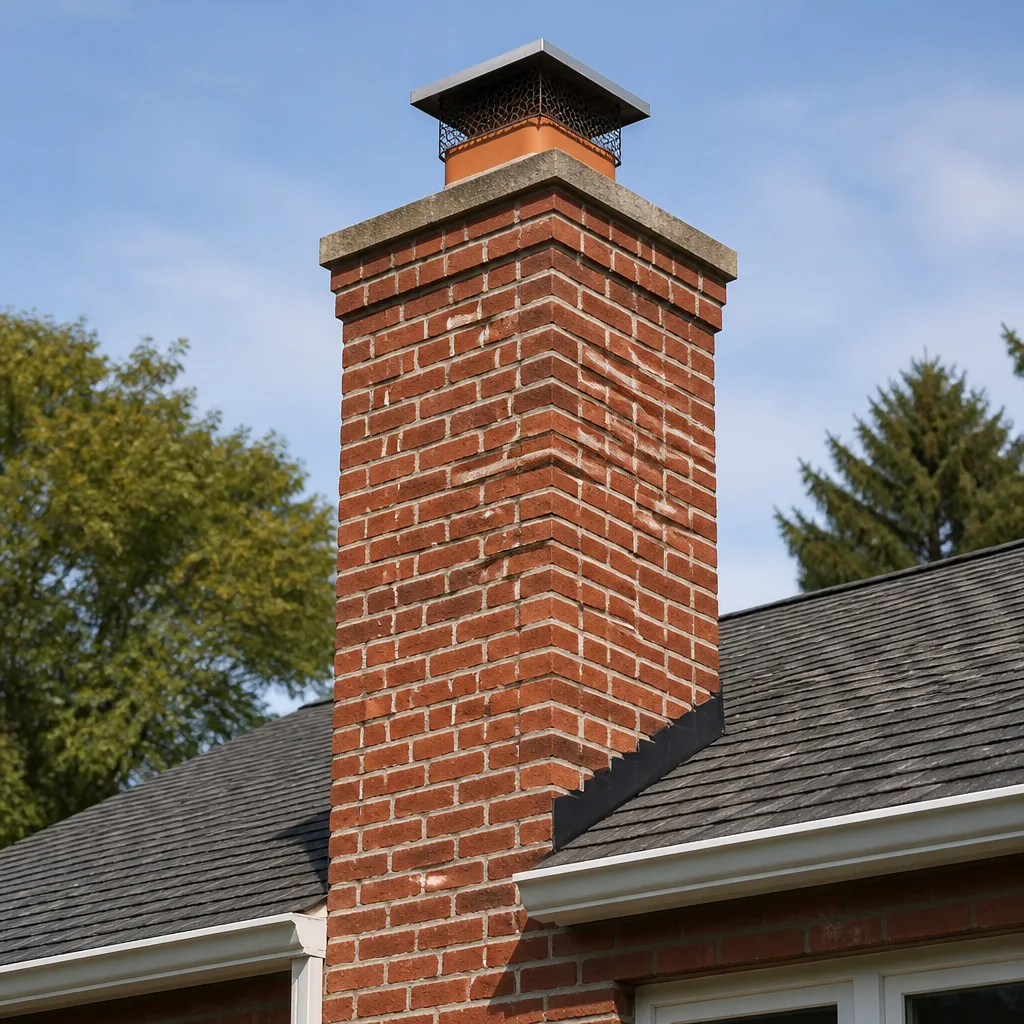 Masonry repair
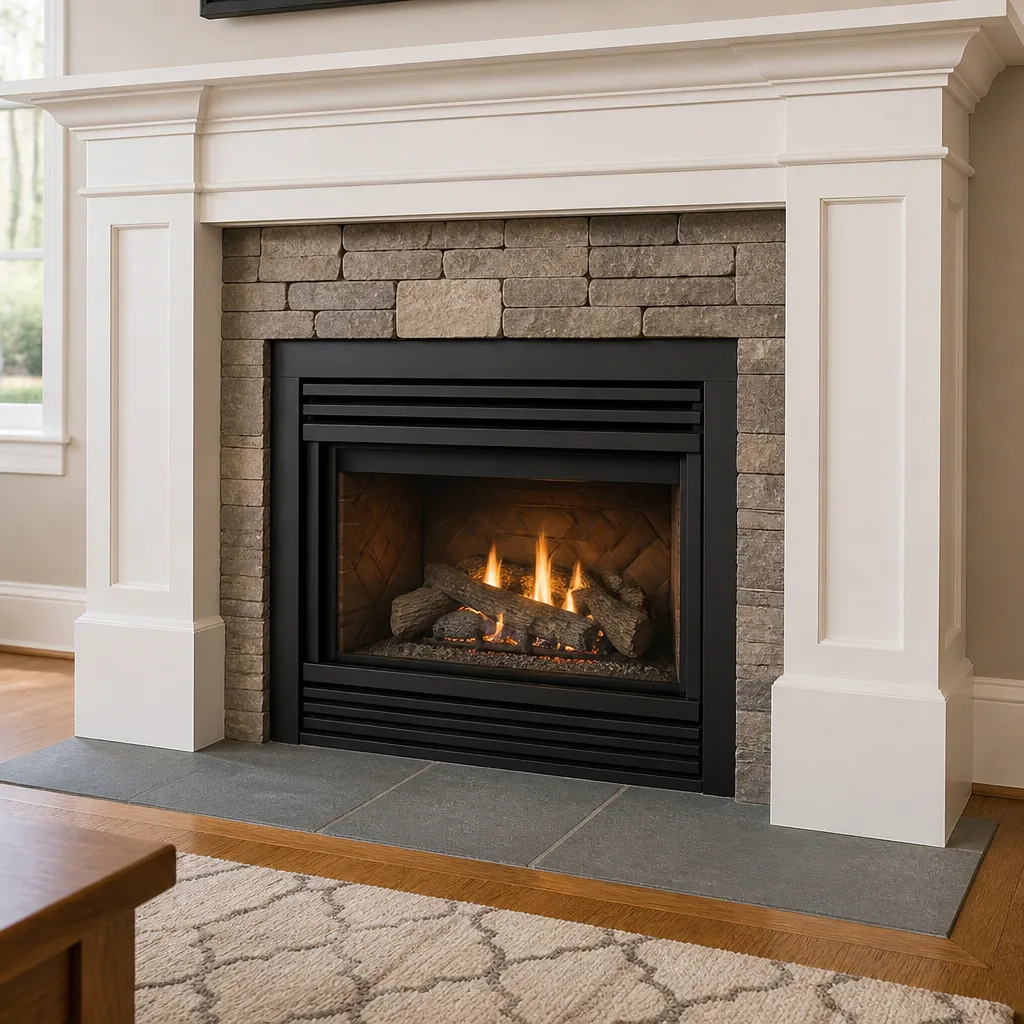 Gas fireplace service
Level 1 sweep and inspection to the NFPA 211 annual standard - flue, crown, cap, and flashing checked and photographed
Chimney sweep logs do not sweep chimneys. They loosen some creosote - which then falls where a brush and vacuum still have to collect it.
Chimney Cleaning Warning Signs: A Lubbock Homeowner’s Reference Guide
That campfire smell in your living room in July, when no fire has been lit since February, is not normal, and it’s not coming from a neighbor’s yard. It’s your chimney telling you something specific, and it has a name: negative draft reversal. Most chimney warning signs are visible or smellable long before a fire hazard ever develops, but homeowners in Lubbock consistently misread them as drafts, house settling, or an HVAC quirk. This reference guide maps each symptom to its actual cause so you can self-triage with confidence and know exactly when to pick up the phone.
Quick Answer
Chimney cleaning warning signs in Lubbock include a smoky or asphalt-like smell when no fire is burning, white staining on exterior masonry, rust or cracked flue tiles visible inside the firebox, popping or rustling sounds, and a draft that reverses on warm days. Any one of these means the chimney needs inspection before the next burn. Two or more together usually point to creosote buildup, a damaged liner, or water intrusion that will not fix itself.
Styles & brands we work with
- Sweep & inspection
- Caps & crowns
- Flue relining
- Masonry repair
- Gas fireplace service
Table of Contents
- The Smell Index: Decoding What Your Chimney Is Telling You
- Visual Signs Inside the Firebox You Can Spot Without a Camera
- White Staining on Exterior Masonry: Water Intrusion, Not Aging
- Backdrafting in Lubbock’s Low-Humidity Climate
- What the Sounds Mean: Popping, Ticking, and Rustling
- Draft Problems and What Causes Them
- Dryer Vent Warning Signs Most Homeowners Miss
- What a Professional Inspection Actually Involves
The Smell Index: Decoding What Your Chimney Is Telling You
Your nose is the most reliable early-warning sensor you own, but only if you read it correctly. In our experience, the three smells homeowners most often confuse call for three completely different fixes.
Creosote odor is oily, sharp, and faintly asphalt-like. It intensifies on hot, humid days and often gets stronger after rain. This is the smell of concentrated unburned fuel deposits warming up in the flue. Creosote is highly combustible, and a heavy deposit means a fire waiting for a reason to happen. This smell alone justifies booking a Chimney Sweep Lubbock.
Animal intrusion smells distinctly different: ammonia or decay, sharp and unpleasant, sometimes with scratching or rustling attached. Birds, squirrels, and raccoons all find open flues inviting, especially during cooler West Texas months when the chimney offers warmth. A dropped nest also blocks draft flow, which is why animal odor is often paired with poor burn quality.
Masonry moisture is musty and mineral, like a damp basement or wet concrete. It’s the subtlest of the three and the easiest to dismiss. When you catch it during dry weather, that points to water trapped inside the chimney structure rather than the flue.
Match the smell to the cause, and you’ve already narrowed the inspection. When two of these overlap, the chimney has more than one problem, and it needs a full evaluation rather than a spot treatment.
Visual Signs Inside the Firebox You Can Spot Without a Camera
You don’t need to climb a ladder to see meaningful problems. A flashlight and a few minutes will show you most of what matters. Here’s what to look for, in order:
- Cracked or missing flue tiles. Look up into the smoke chamber from the firebox with a strong flashlight. Any visible gap, crack, or missing tile edge points to liner damage that lets heat and gases reach the surrounding structure.
- Rust or flaking steel. Damp-looking residue on metal components points to ongoing water intrusion.
- Crumbling mortar joints. Soft or sandy brick joints inside the firebox indicate moisture and years of thermal cycling. Left alone, mortar fails and lets water travel deeper.
- Soot texture. Light, powdery soot is normal. Sticky, tar-like soot means creosote is forming in the flue above.
- Warped damper. A damper that doesn’t seat flat or seal properly throws off draft control.
Lubbock’s hot summer air and naturally dry conditions keep much of the visible masonry in good shape most of the year, which is a benefit. But that same dry air makes any moisture entry point more destructive over time, because water moves inward rather than sitting on the surface.
If you spot any single issue from this list, note it and get it looked at. If you spot a crack plus a warped damper plus heavy soot, the chimney needs an inspection before the next fire.
White Staining on Exterior Masonry: Water Intrusion, Not Aging
That chalky white powder or crust on the outside of your chimney is not aging. It’s efflorescence, a mineral deposit left behind when water has moved through masonry, dissolved salts on its way, and evaporated on the surface. The stain itself is harmless. What it represents is not.
Efflorescence means water is entering the chimney somewhere. In Lubbock, that nearly always points to a failing crown, a deteriorated flashing joint where the chimney meets the roofline, or a cracked cap. Hot afternoons drive evaporation, and the deposit appears, which is why the staining often shows up very clearly in the dry months when homeowners are outside noticing their roof.
Here’s what makes it worth attention rather than a shrug:
- The stain reappears after being scrubbed away, which is the signal that the water path is still active.
- Efflorescence often clusters with spalling, where brick faces flake or pop off, a sign that freeze-free cycles and moisture are eating the masonry from inside.
- Masonry damage from inside is what produces structural chimney problems, which are far more expensive to repair than a compromised crown.
- A white stain paired with interior rust or musty odor confirms the moisture is reaching the flue structure, not just the exterior shell.
Building codes in most Texas cities and around Lubbock require chimney repair work to be permitted through the local building department, so the correct path is inspection first, then a written assessment before anyone starts work. The repair is often smaller than homeowners fear: resealing a crown or repairing flashing resolves most efflorescence at the source.
Backdrafting in Lubbock’s Low-Humidity Climate
Backdrafting is the reverse flow of smoke and gases down the chimney and into the living space rather than up and out. It presents differently in Lubbock than it does on the coast, and that is why so many online guides misdiagnose it.
Coastal homes hold more moisture in the air, so backdrafting there often shows up as a soft smoky haze, visible and steady. In West Texas, dry air changes the symptoms:
- Intermittent smoke spillage that vanishes within minutes, most often on Lubbock’s hottest afternoons when indoor and outdoor air temperature and pressure shifts are largest.
- A faint campfire smell in summer that appears without any fire having been lit, the classic sign of heated air sinking down a cool chimney.
- Dust or soot streaks on the firebox surround, the residue of small reverse-flow events.
- A rush of smoky air when someone turns on a kitchen or bath exhaust fan, because competing negative pressure in the house pulls air down the chimney rather than up.
Ignore backdrafting and you’re not only losing a fire; carbon monoxide from a gas appliance or a burning fire can be pulled into the living space. That risk belongs in the same category as a failing smoke detector and deserves the same seriousness. A professional can diagnose whether the cause is a flue-temperature issue, a chimney that’s too short for the roof pitch, a blocked cap, or a poorly sealed attic access pulling air.
If you have a gas insert or a wood stove in your Lubbock home, backdrafting is not a nuisance. It is a safety issue. Have it evaluated.
What the Sounds Mean: Popping, Ticking, and Rustling
Chimneys don’t rumble. They give distinct signals if you listen. Each sound pattern points at a different category of problem.
Popping or snapping. This is most often the sound of metal components or masonry as it expands with heat and contracts as it cools. If popping continues long after the fire has burned down, that indicates loose structural components that need attention rather than a cosmetic issue.
Ticking or tapping. This one often turns out to be expansion of metal flue components or condensation dripping on a hot surface. In a home with a masonry chimney, ticking suggests small cracks or gaps have opened within the flue lining.
Rustling or scurrying. This is almost always an animal. Birds, squirrels, and the occasional raccoon find their way in through an open flue or missing cap. A bird nest is highly flammable, and any wildlife in the chimney needs removal before the next burn.
Whistling or howling. Wind whistling down a chimney points to a cap that’s missing, damaged, or the wrong size for the flue opening.
Lubbock’s low humidity makes the cricket-and-rodent chorus louder in a quiet house at night, which is exactly why chimney animal issues get noticed faster here than in noisier climates. Get any rustling checked before it becomes a blockage or a fire risk.
Draft Problems and What Causes Them
Draft is what moves smoke and gases up and out. When draft weakens, every burn becomes smoky and every fireplace insert clogs more quickly. Common causes we find in Lubbock homes:
- A chimney that terminates below nearby rooflines or tree canopies, so the wind pushes air back down.
- Excessive creosote narrowing the flue and cutting airflow.
- A cap that’s bent, blocked, or sized for the wrong flue diameter.
- Competing exhaust fans pulling air from the home and starving the firebox.
- A flue with a cracked tile or a warped damper that changes pressure dynamics.
- The wrong burner or insert flue size for the fireplace opening.
Address creep early. A dirty flue that limits draft quickly becomes a smoky house, a harder fire to light, and more creosote forming on top of what’s already there. That’s the chain reaction that turns a routine cleaning into a more expensive repair.
When a draft problem turns out to be liner damage rather than blockage, proper restoration matters. HeatShield resurfacing can renew a deteriorated flue liner without the cost of a full replacement, while a complete relining project typically calls for DuraFlex liner systems. Both are professional-grade materials we use on the jobs that need them.
Dryer Vent Warning Signs Most Homeowners Miss
Dryer vents sit in the same category of ignored home systems as the chimney, and they carry similar fire risk. Lubbock’s dry, windy climate means lint-dense vents stay full of flammable material and see plenty of static. If you’re seeing any of these signs, your vent needs attention:
- Clothes take much longer to dry than they used to, or a second cycle is needed.
- The dryer is hot to the touch on top or at the door.
- The lint trap fills unusually fast, or lint backs up into the trap housing.
- A musty or burning smell near the dryer while it runs.
- Damp lint or visible lint accumulation at the exterior vent flap.
- Lint clogs visible when you look into the vent with a flashlight.
Most chimney-only companies ignore dryer vents. We handle them alongside chimney work because they’re a fire-safety concern that most people don’t associate with their chimney. Vent runs and connectors from Famco and Copperfield materials are what we rely on for repair and replacement, and the same inspection discipline applies: see the problem, then fix it.
If your dryer vent hasn’t been cleaned in a while, it’s worth scheduling dryer vent cleaning at the same time as your chimney inspection so both get looked at together.
What a Professional Inspection Actually Involves
A proper chimney inspection is a sequence, not a look-see. Here’s the process we follow in our chimney work:
- Exterior walk around the roofline. We check crown, cap, flashing, mortar joints, and efflorescence staining across the exposed chimney.
- Firebox and smoke chamber inspection. Flashlight and mirrors reveal flue tile cracks, mortar condition, damper seating, and creosote deposits without disturbing anything unnecessarily.
- Creosote assessment. We measure buildup level to determine whether a standard sweep is enough or a heavier cleaning is needed.
- Camera inspection. A camera run down the flue reveals blockage, liner condition, and any internal damage. A photo report documents what we see, so you’re not taking our word for it.
- Dryer vent check. Separate inspection of the dryer vent run for lint volume and any connector failures.
- Written assessment. You get findings, what’s urgent, what can safely wait, and what the fix involves, all in plain language.
Our technicians have up to 12 years of experience, and the work is covered by the professional-grade brands we’re authorized to install, including DuraFlex, HeatShield, Gelco, Olympia Chimney, Famco, and Copperfield. The value of those brands isn’t marketing; it’s that you can verify a specific material is spec’d for the job. Off-brand substitutes aren’t on the list.
The repairs we handle (liners, resurfacing, cap work, and liner restoration) stay with the same company that cleans the chimney. No second call, no handoff. When a chimney sweep turns up a crack that needs fixing, the same team that found it can fix it.
Common Mistakes to Avoid
- Blaming a smell on the HVAC or neighbor. Persistent smoky or asphalt-like odor from a fireplace that hasn’t run in months is creosote or backdrafting, not the neighbor’s yard fire. Get it diagnosed rather than opening windows and waiting.
- Treating efflorescence as cosmetic. Scrubbing the white stain off masonry without finding the water source is exactly how the problem gets worse. Each blooming cycle that gets ignored pushes more water into the structure.
- Running a fire to “burn off” a smell. That’s how a creosote-heavy flue becomes a chimney fire. The smell is the warning; it doesn’t need ignition to clear.
- Skipping the camera inspection to save time. A flue can look fine from the firebox and still have a cracked tile above the smoke chamber. The camera is what catches it.
- Ignoring dryer vent lint while sweeping the chimney. Most households that act on chimney maintenance never check the dryer vent at the same time. They handle the same type of fire hazard.
- Letting an animal smell wait. Lubbock’s rodents and birds find open flues quickly; a nest is both a blockage and a fire hazard. Remove it before the next season.
- Trusting an off-brand liner to fix a cracked flue. The liner is the component preventing fire from reaching the wood frame. Insist on trade-trusted brands (DuraFlex, HeatShield, Gelco, Olympia Chimney).
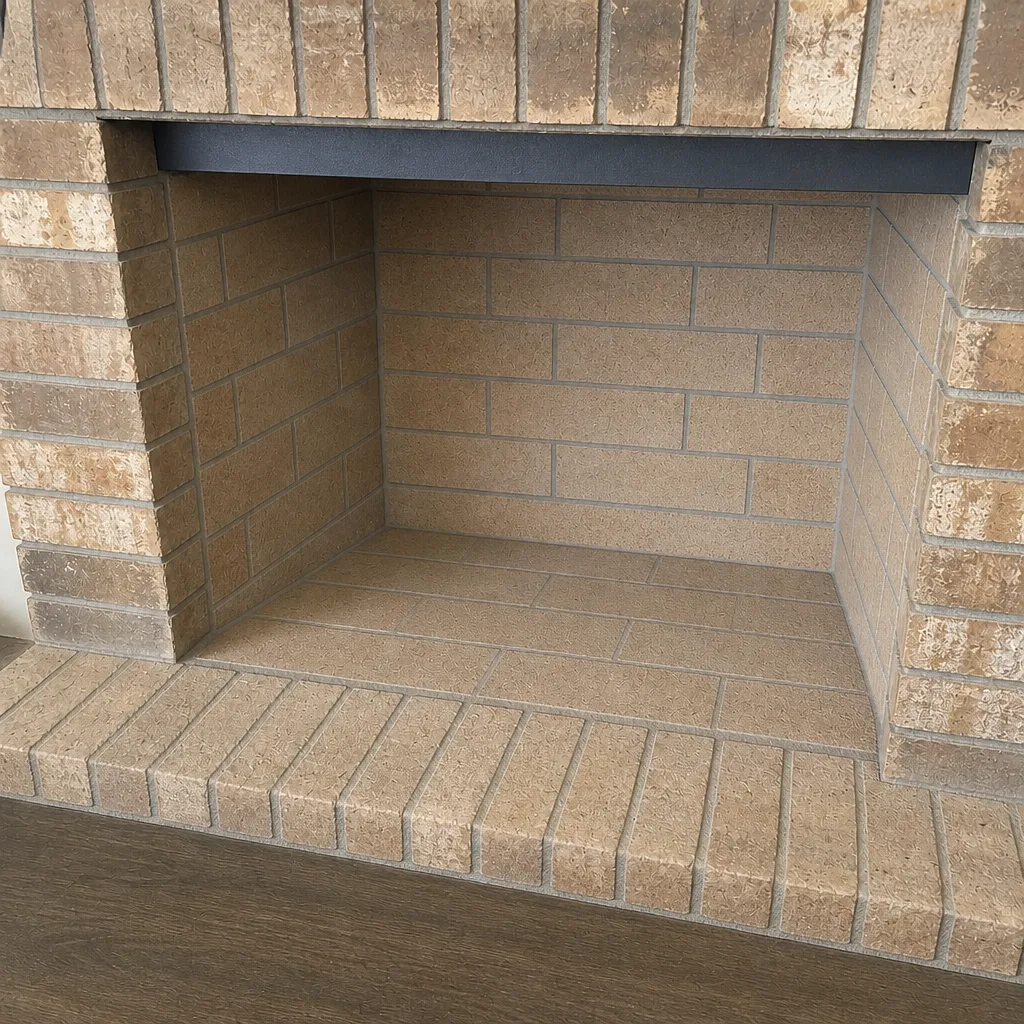
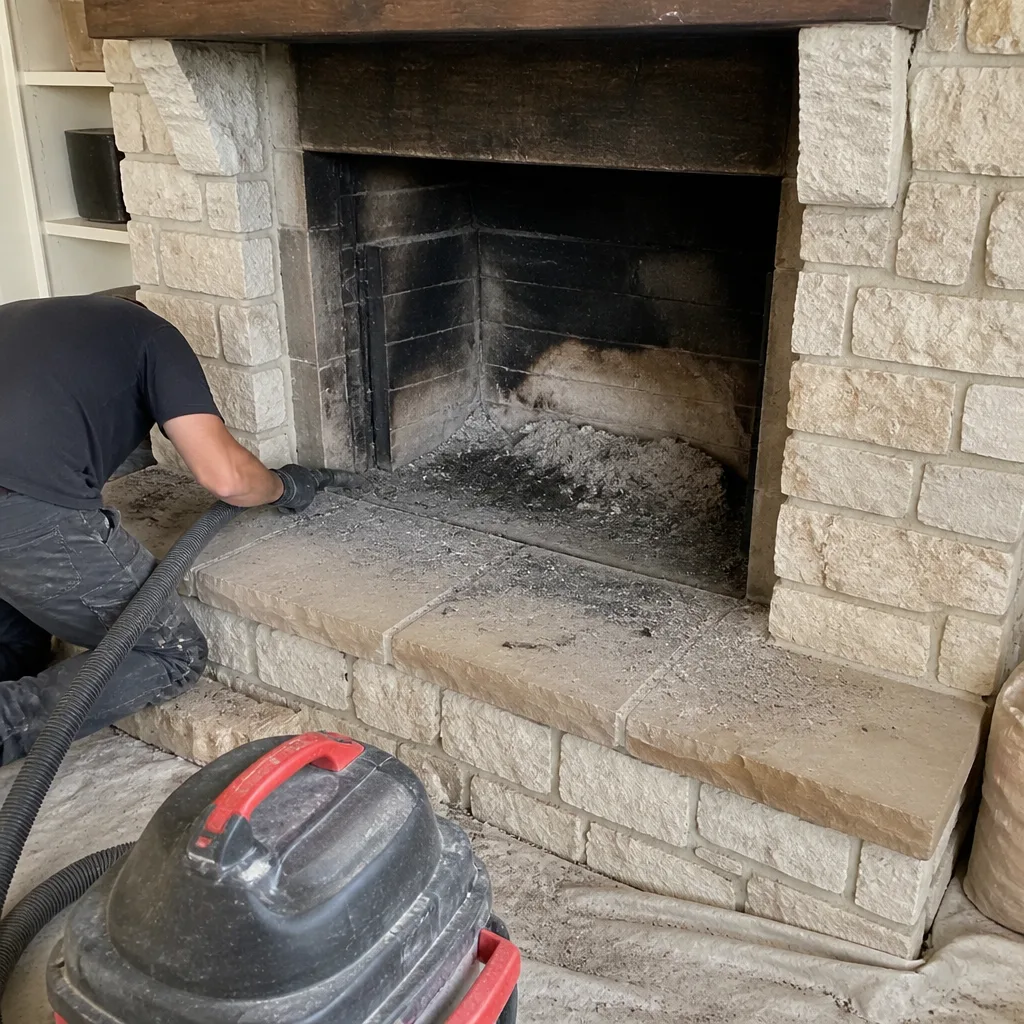
See the difference
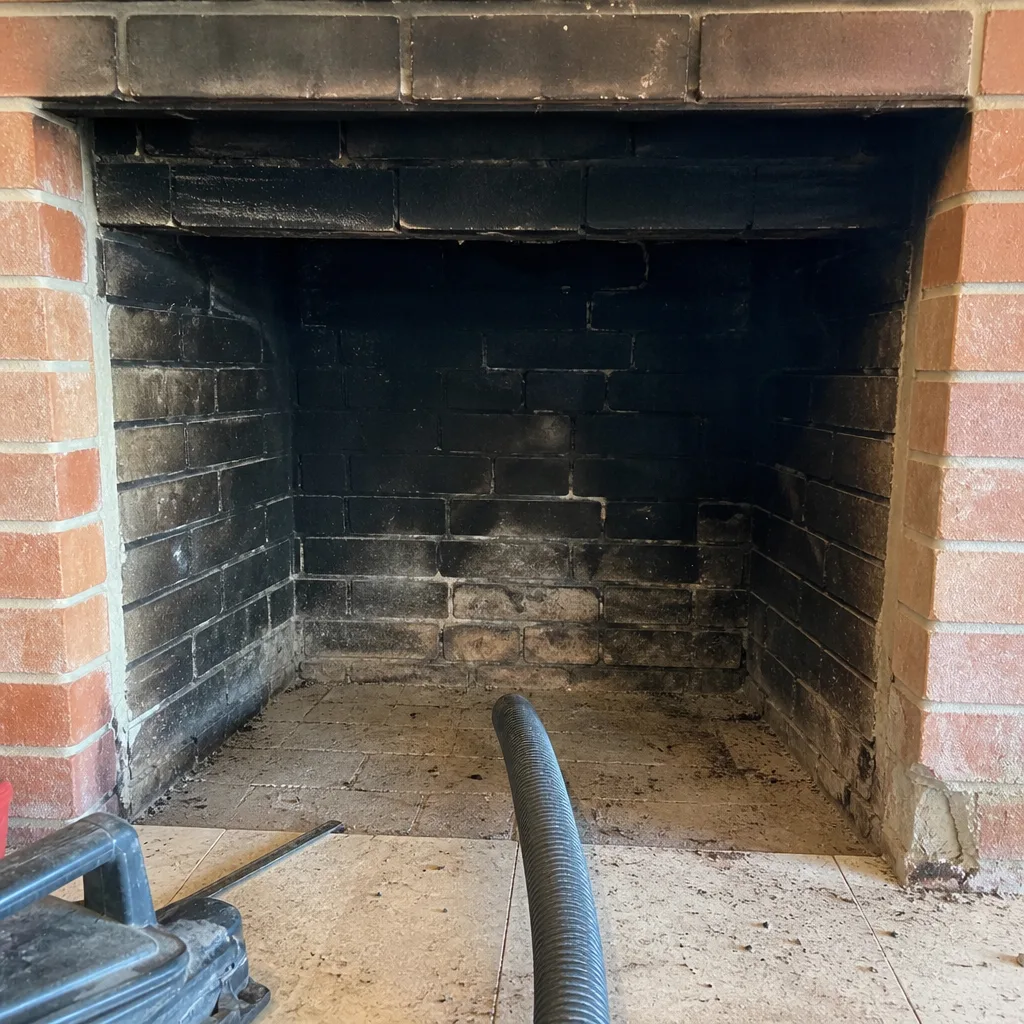 Before
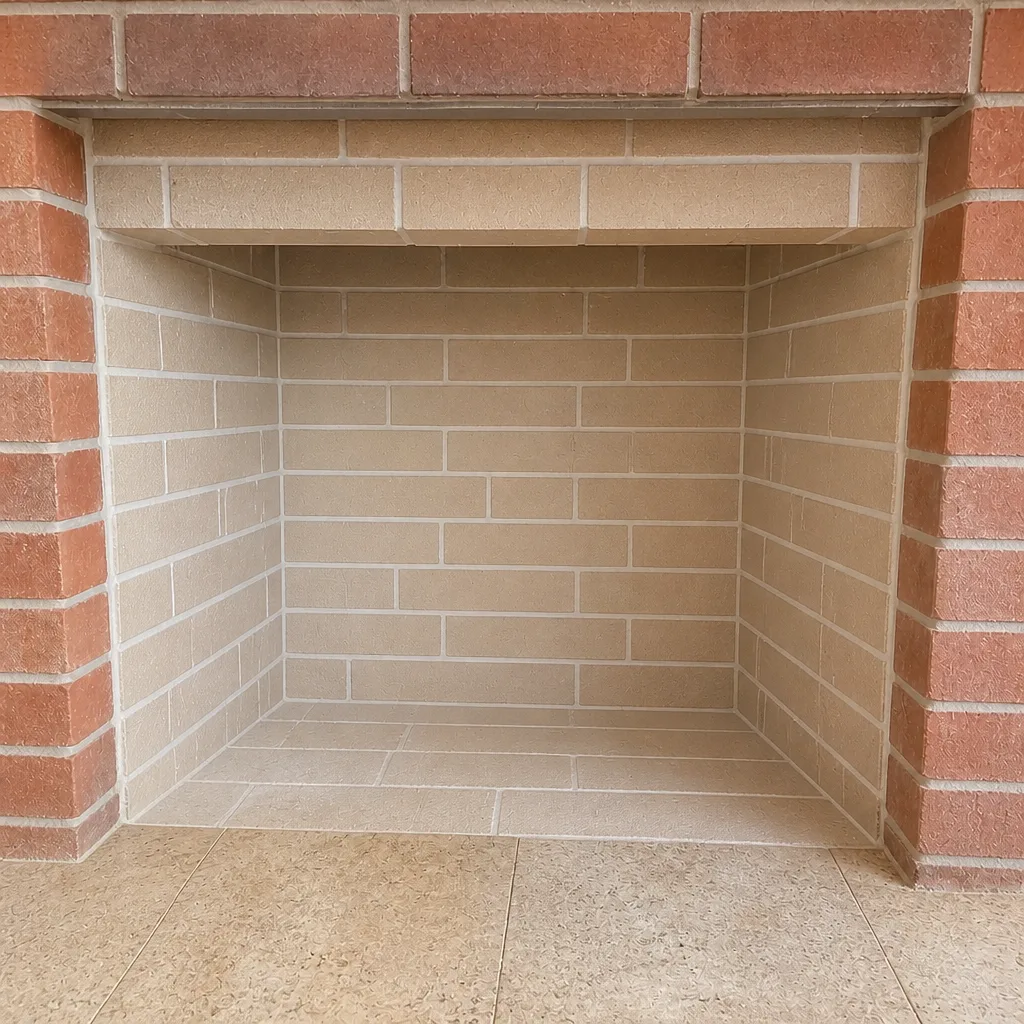 After
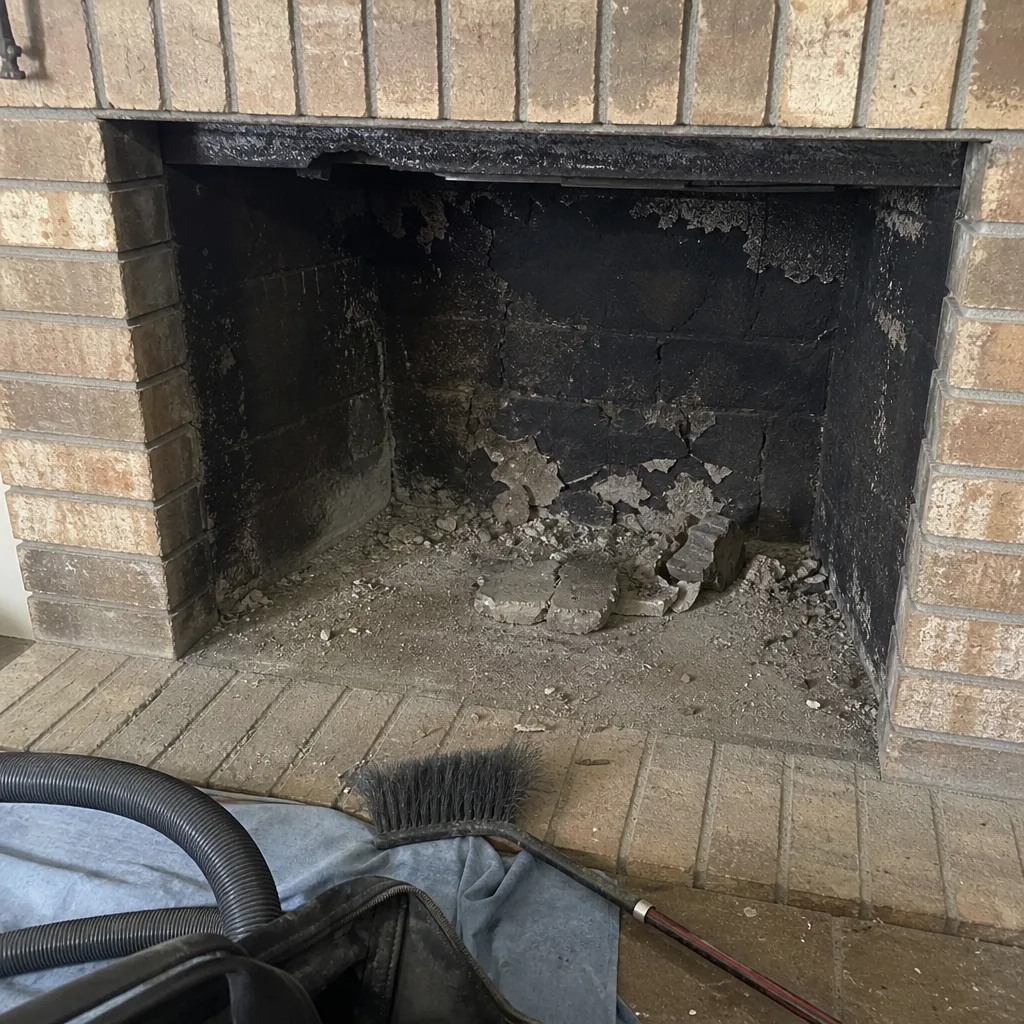 Before
 After
 Before
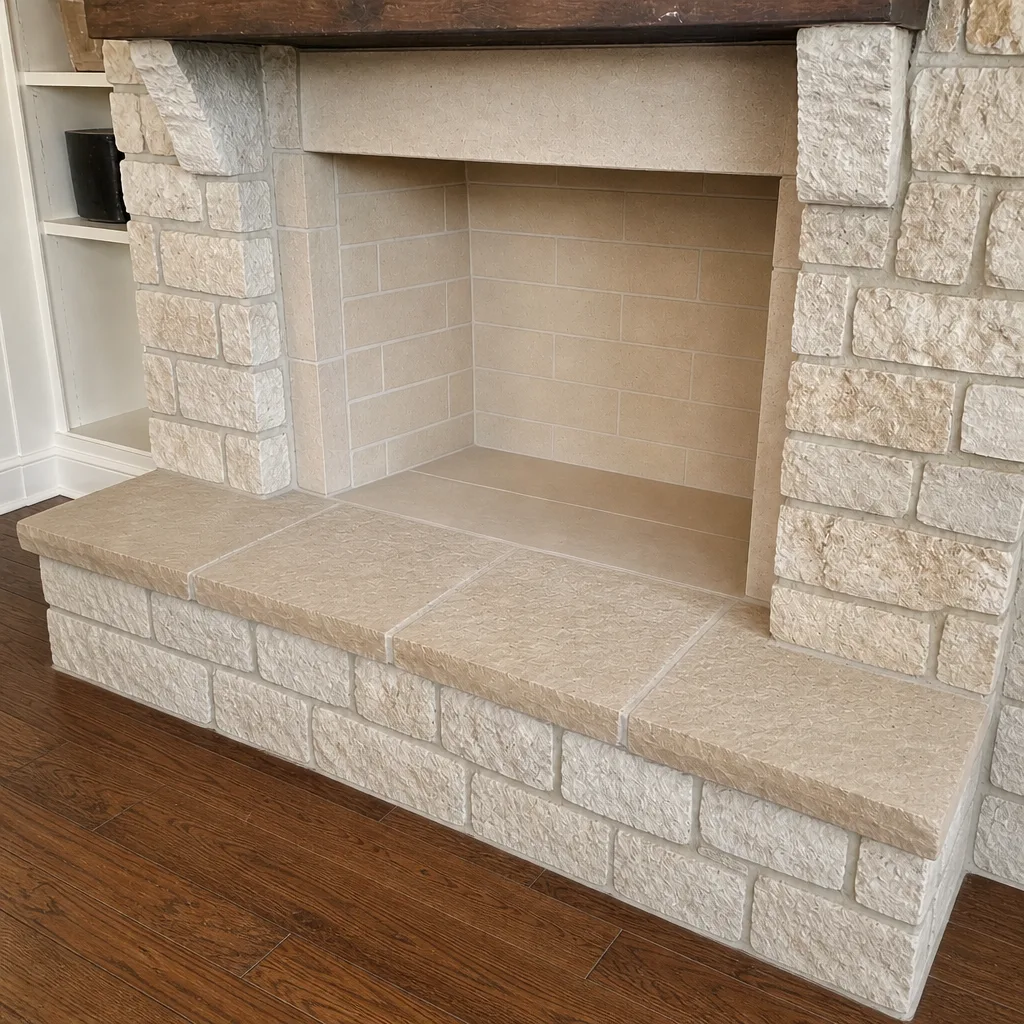 After
When to Call a Professional
Call when you see any of the following: a persistent smoky or asphalt odor when the fireplace is idle, white staining on exterior masonry, cracked or missing flue tiles visible inside the firebox, rust or musty odor near the firebox, rustling or scurrying sounds, or any visible smoke spillage in the room. These are the warning signs that indicate the chimney should be inspected before the next fire. Our team can work with your insurer on documented repairs and handle the repair in-house, so there is no second contractor. Chimney Sweep Lubbock offers free estimates in Lubbock; call (855) 617-0455. We answer 24/7, and fast dispatch from 7am to 7pm, Sunday through Friday. If a problem is seasonal and can safely wait, we’ll tell you that too, in the written estimate.
Frequently Asked Questions
Most standard chimney sweeps run somewhere in the range of a typical home-visit charge, and the exact price depends on creosote level, flue condition, and whether a camera inspection is needed. Call (855) 617-0455 for a free estimate. Our written estimate is per job before any work starts, and it sets the final price.
Not always. A liner can often be restored with HeatShield resurfacing rather than replaced outright, which costs less than a full relining. The decision comes down to what the camera shows: cracked tiles and gaps that resurfacing can seal don’t require a full liner, while severe damage or missing sections needs DuraFlex relining. We document the call on camera and photo report, so you can see the evidence yourself.
The standard rule of thumb is once a year during heating season if you burn regularly, along with more frequent checks if the fireplace is your main heat source or you burn unseasoned wood. A camera inspection is the only reliable way to know what’s actually there, so don’t skip the annual check just because last year was clean.
Skipped maintenance lets creosote accumulate, which is the fuel a chimney fire needs, and lets water intrusion worsen into structural damage. It also allows small liner cracks to grow undetected. This isn’t a scare tactic; it’s the same sequence we see on almost every neglected chimney we inspect in Lubbock. Call (855) 617-0455 for an inspection before something that’s small now becomes a real repair.
That’s negative draft reversal, sometimes called backdrafting. Warm outdoor air is heavier than your chimney’s cooler inside air in summer, so air flows down rather than up, pulling old creosote odor into the house. It’s not normal and it points to draft and liner issues worth inspecting. Call (855) 617-0455 and we’ll schedule an inspection.
Yes; it’s efflorescence and it signals active water intrusion, not cosmetic aging. The most common causes in Lubbock are a failing crown, damaged flashing, or a cracked cap. Water reaching the chimney interior leads to masonry damage and liner problems. Book a free estimate and we’ll identify the moisture path on the written assessment before any repair.
The Bottom Line
Chimney warning signs show up long before a hazardous fire does. The smell index, firebox visuals, efflorescence, backdraft symptoms, and sounds each point to a specific cause. Your job is to match the symptom to its category, act on anything urgent, and let a professional confirm with a camera. In Lubbock’s dry climate, moisture damage and draft issues are the two biggest factors working against you. Our technicians have up to 12 years of experience and can inspect, diagnose, and repair with trade-trusted materials like DuraFlex and HeatShield. Call us at (855) 617-0455 for a free estimate in Lubbock. We answer 24/7.
Written by the team at Chimney Sweep Lubbock.