
Last updated November 15, 2026
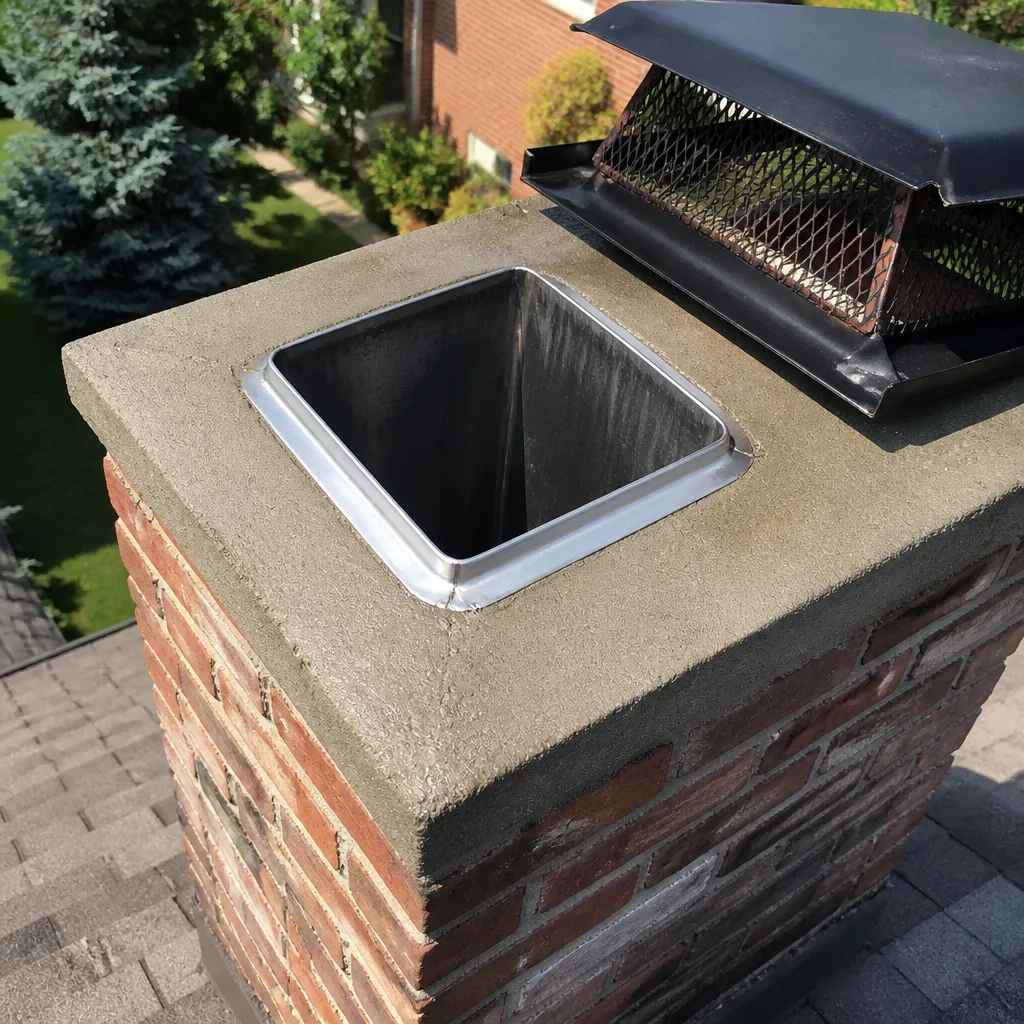 Sweep & inspection
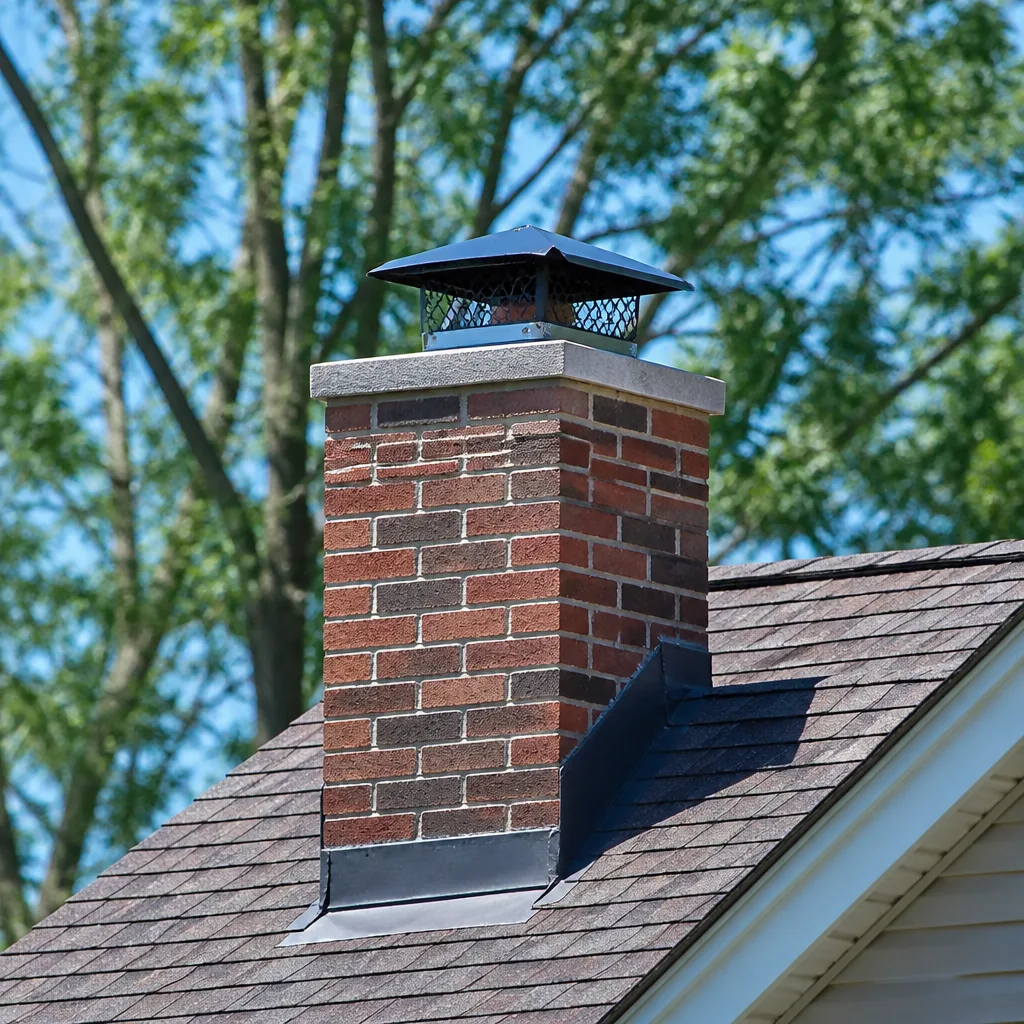 Caps & crowns
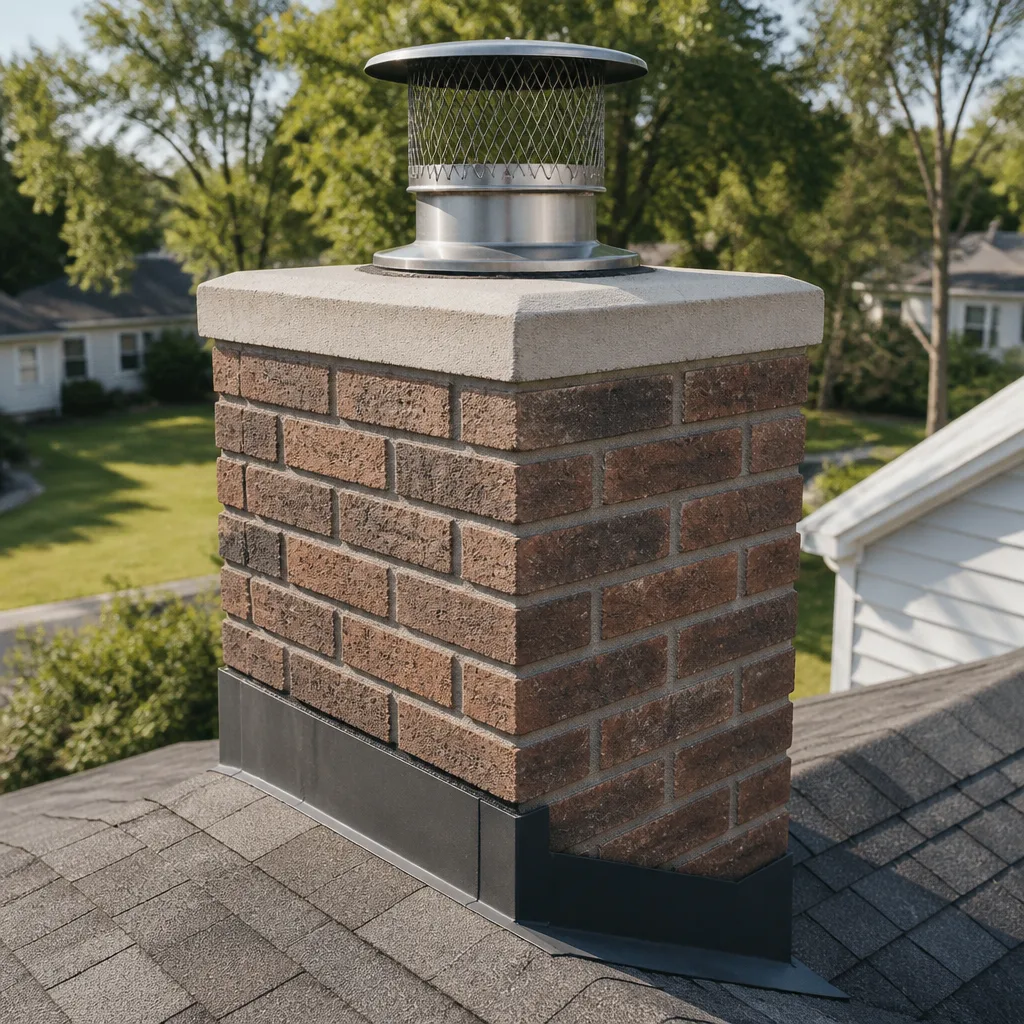 Flue relining
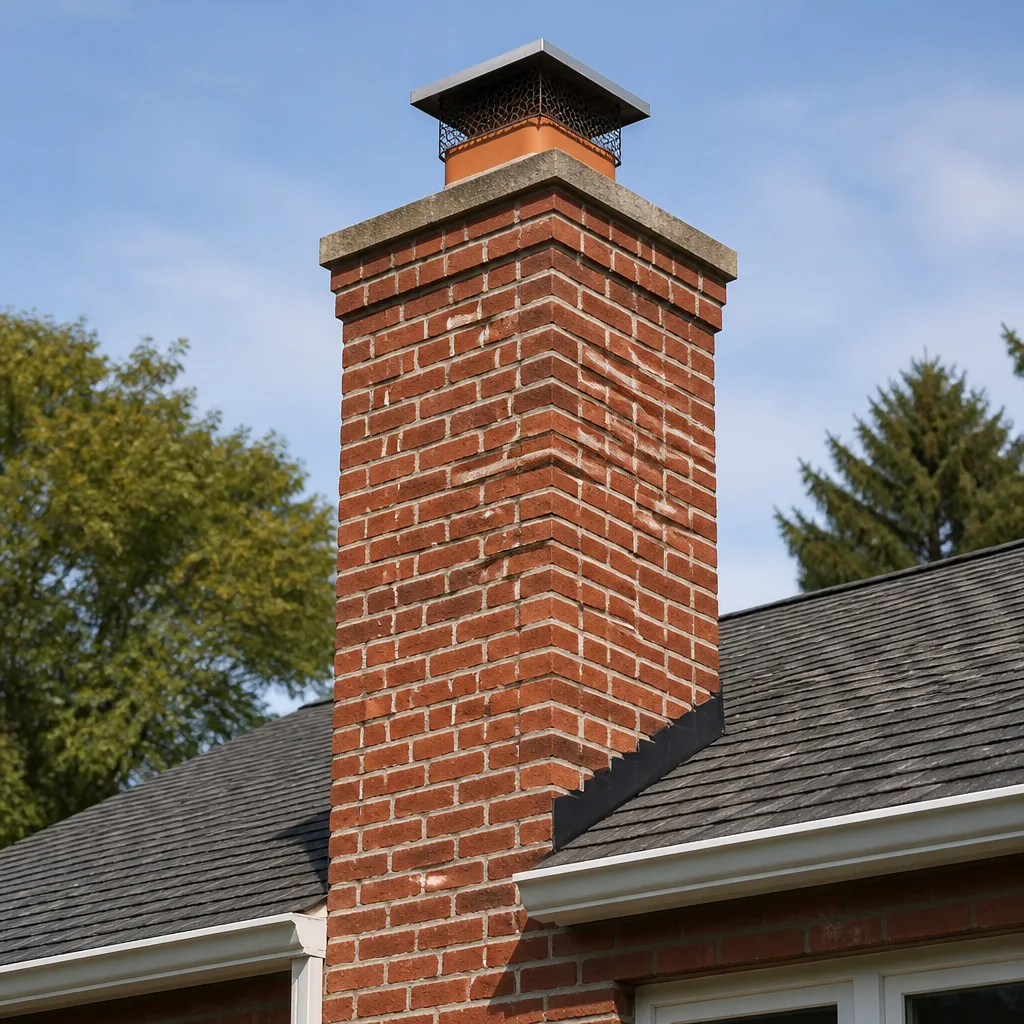 Masonry repair
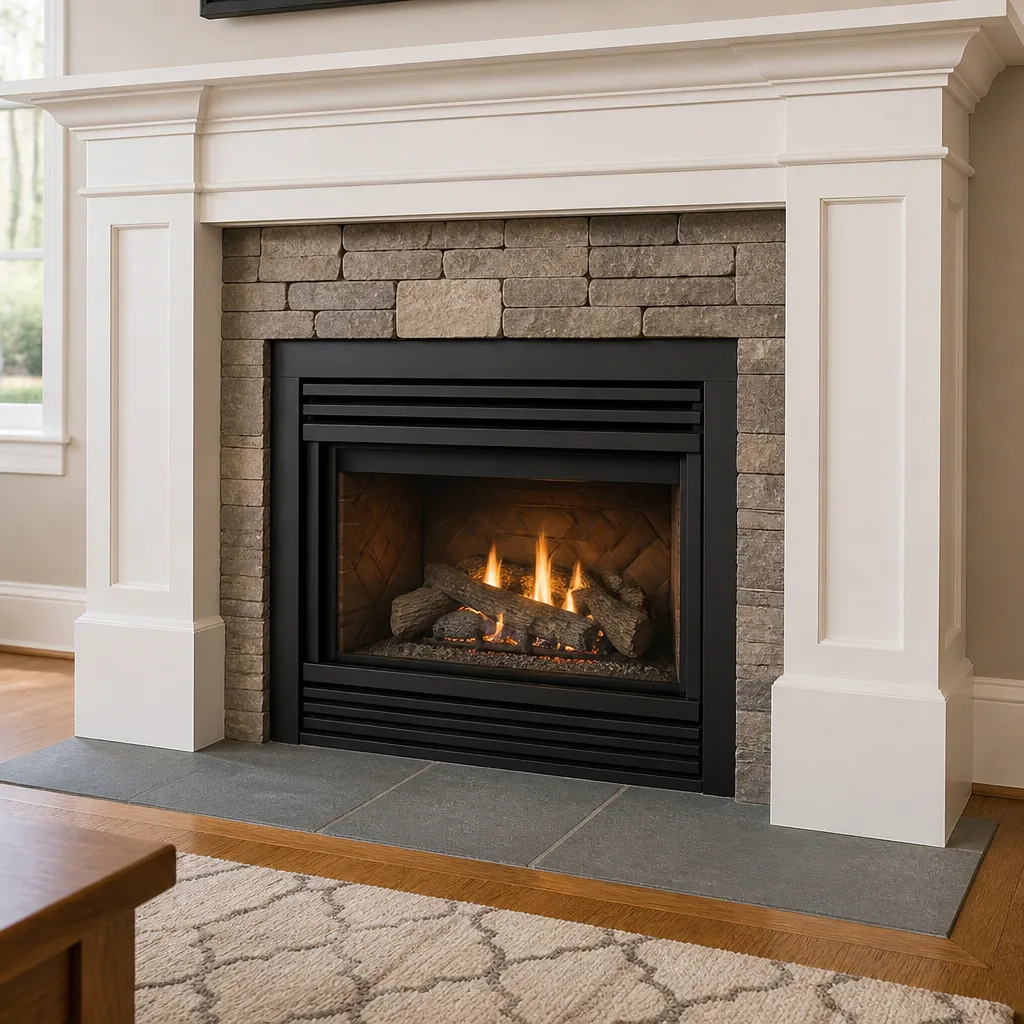 Gas fireplace service
Level 1 sweep and inspection to the NFPA 211 annual standard - flue, crown, cap, and flashing checked and photographed
Chimney sweep logs do not sweep chimneys. They loosen some creosote - which then falls where a brush and vacuum still have to collect it.
Chimney Sweep Troubleshooting in Lubbock: Common Problems and How to Fix Them
A smoky living room doesn’t always mean a dirty flue. In Lubbock, where the wind rarely lets up, negative air pressure inside a tightly sealed modern home is one of the most misdiagnosed “chimney problems” we run into, and sweeping it won’t fix a thing. The same goes for slow fires, sour smells in July, and stains that show up months after the last burn. Most homeowners treat the symptom and never find the cause, then spend money on services that don’t touch the actual failure. This guide maps each symptom to the part of the system that’s really breaking down, so you know whether you’re looking at a cleaning, a repair, or a full inspection. You’ll also get the DIY checks that are safe to do yourself and clear criteria for when a problem is urgent versus when it can wait.
Quick Answer
Most chimney problems in Lubbock come down to one of five root causes: a dirty or glazed flue, a failing damper, negative pressure in a tight home, a cracked crown or flashing letting water in, or a damaged liner. Smoke backdraft and slow fires usually point to pressure or sizing, not creosote. Odors and staining usually point to moisture or heavy creosote. A standard sweep fixes Stage 1 and Stage 2 creosote and clears blockages. Stage 3 glazed creosote, cracked liners, and structural crown damage need repair, and those are the jobs where the material brand and the technician’s diagnostic skill both matter.
Styles & brands we work with
- Sweep & inspection
- Caps & crowns
- Flue relining
- Masonry repair
- Gas fireplace service
Table of Contents
- Symptom-to-Cause Table: What Your Chimney Is Telling You
- Why Your Fireplace Smokes in Lubbock: The Negative Pressure Problem
- Stage 1, Stage 2, and Stage 3 Creosote: Which One Needs a Sweep and Which Needs a Liner
- Safe DIY Checks Before You Call Anyone
- Crown, Flashing, and Masonry: The Water Problems That Start Small
- When a Chimney Problem Is Urgent and When It Can Wait
- The Other Flue: Dryer Vent Problems Most Chimney Companies Ignore
- What a Proper Diagnostic Sweep Actually Involves
Symptom-to-Cause Table: What Your Chimney Is Telling You
Before you call anyone, work backward from what you’re seeing. A symptom is the system telling you which part failed. Here’s how we map the common ones we hear on the phone in Lubbock.
Quick diagnostic reference
- Smoke rolling back into the room on start-up: negative pressure, undersized flue, or a closed or partly closed damper. Cleaning alone rarely fixes this.
- Smoke rolling back only on windy days: wind-driven downdraft, a short or poorly positioned termination, or a missing or damaged cap. Common on exposed lots on the west side of town where the wind hits with nothing to break it.
- Fire burns slow and lazy with wet-looking wood: poor draft or wet fuel – usually draft, if the wood is seasoned.
- Sour, smoky, or creosote smell in warm weather: creosote or soot residue absorbing humidity, or a downdraft pushing outside air back down the flue. A top-sealing damper often solves the downdraft case.
- White staining on exterior brick: water migrating through the crown or flashing and pulling minerals out of the masonry. A crown or flashing repair, not a cleaning.
- Dark stains inside the firebox or on the smoke chamber: heavy creosote, a Stage 2 or Stage 3 problem depending on texture.
- Popping, crackling, or roaring sound during a fire: a chimney fire or the conditions that precede one. Stop burning and get an inspection before you light another fire.
- Rust on the damper or firebox metal: long-term moisture intrusion. Needs inspection for cracked crown, failed flashing, or a missing cap.
Read that list and notice how many of the entries never get fixed by sweeping. That’s the whole point of this guide. In Lubbock, we see the pressure-related symptoms most often in newer, tightly built homes, and the moisture-related symptoms most often on older masonry chimneys that have never had their crown maintained. Different causes, different fixes. The diagnostic step is deciding which one you have before anyone shows up with a brush.
If you’re not sure where your symptom fits, the safest next step is a chimney sweep that includes a camera inspection, so you can see the actual condition of the flue rather than guess at it.
Why Your Fireplace Smokes in Lubbock: The Negative Pressure Problem
Lubbock sits on flat, wind-exposed ground, and newer homes here are built tight: spray foam, sealed can lights, weatherstripped doors, high-efficiency appliances pulling combustion air from inside. Put those two facts together and you get a house that behaves like a vacuum on certain days. Your chimney is a passive vent. It works because warm exhaust rises and creates a pressure difference. When the house is sealed and the kitchen exhaust hood or the furnace blower is running, the house can be under more negative pressure than the chimney can overcome, and smoke has nowhere to go but into the room. We’ve seen this blamed on a “dirty chimney” so many times it’s become the most common misdiagnosis in the region.
How to tell negative pressure from a dirty flue
- Open a nearby window a few inches and light a small test fire. If the smoke clears immediately, you’re dealing with pressure, not creosote.
- Turn off the kitchen exhaust and furnace blower and light the fire again. If it behaves better, the same conclusion holds.
- If the smoke rolls back with everything off and a window cracked, that’s when you call for a sweep and a camera inspection.
Sweeping a flue that’s already clean to solve a backdraft wastes your money. The real fixes are structural or mechanical: adding a proper outside air source to the firebox, converting to a top-sealing damper, adjusting the termination height, or improving the cap. In houses on the high-wind side of town, wind-driven downdraft is the close cousin of negative pressure, and a good cap with the right shape solves it without touching the flue.
We use Olympia Chimney components for these damper and termination fixes because they hold up to the pressure swings and the temperature cycling we get here. The point isn’t the brand name. It’s that the repair solves the actual cause, so you don’t relight the same fire next winter and watch the same smoke roll into the room.
Stage 1, Stage 2, and Stage 3 Creosote: Which One Needs a Sweep and Which Needs a Liner
Creosote is the unburned residue that condenses on the inside of the flue. It forms in layers, and those layers matter. The stage tells you whether a sweep can fix it or whether the liner is compromised.
Stage 1: Soot and light flaky creosote
This is the normal daily-use condition. It’s powdery, thin, and brushes off easily. A standard sweep removes it. If this is all you have, you’re maintaining the chimney correctly and a pickup truck’s worth of work solves it.
Stage 2: Flaky, crusty, black deposits
Stage 2 creosote has started to bond to the flue surface. It’s harder to remove but a professional sweep with the right rotary tools handles it. Stage 2 is where a lot of Lubbock homes land if they’ve burned a couple of seasons of unseasoned wood or smoldered fires. It’s also the stage where a cheap brush-only sweep leaves residue behind, which is why we use rotary cleaning heads, not hand brushes.
Stage 3: Glazed, shiny, tar-like
Stage 3 creosote has gone through enough heat cycles to fuse into a dense glaze. It looks like the inside of a pipe that’s been sealed with tar. It won’t brush off. This is the stage where the flue itself is compromised and where a standard sweep cannot fix the problem. The options are usually chemical treatment to break down the glaze followed by mechanical cleaning, or – in severe cases – a full liner installation. HeatShield resurfacing is a middle option we lean on: it restores a deteriorating liner surface without always requiring a full reline, and it’s a cost-saving route most competitors don’t offer. When the liner is genuinely compromised, we install a DuraFlex liner system, which is the trade-trusted product for full relining. No handyman substitute gets close.
If you’re not sure which stage you’re looking at, look at the smoke chamber from below with a flashlight. Powdery and thin? Stage 1. Crusty and bonded? Stage 2. Shiny and glassy? Stage 3. Take a photo and let a technician confirm it. The wrong diagnosis here is how homeowners end up paying for work they don’t need.
Safe DIY Checks Before You Call Anyone
Some problems you can spot yourself without touching the dangerous parts. Here are the checks that are genuinely safe, and what to look for.
What to check
- Open the damper and look up. With the fire cold and no fire in the box for at least a day, open the damper fully and look up the flue with a flashlight. You should see daylight if it’s clear. If you see a thick black crust, note the texture (flaky vs. shiny) and stop there. Do not reach up or scrape it.
- Smoke test. Light a small fire, or a rolled piece of newspaper near the damper (don’t burn it inside the firebox if your chimney has given you any reason to suspect a blockage). Watch where the smoke goes. Out and up is correct. Back into the room is a draft problem.
- Look at the crown from the ground. With binoculars from the yard, look at the top of the chimney. Cracks visible in the concrete crown are a water-intrusion problem. White or gray staining on the brick below it confirms water migration.
- Check the cap. If the cap is missing, rusted, or has bent louvers, expect birds, water, and wind downdraft issues. A missing cap is the simplest problem to have.
- Check the firebox for gaps. Look for gaps between the firebrick or between the firebox and the surrounding masonry. Loose bricks or gaps here are structural and need a technician.
What you should not do yourself: get on the roof, remove the cap, attempt to sweep the flue from the top, reach into the firebox to scrape the liner, or burn anything to “test” a suspected creosote problem. High-tension work, roof work, and anything involving the chimney interior is a trained-professional job for a specific reason: the parts that fail catastrophically here fail without warning. The camera inspection tells you what the flue actually looks like. That’s the diagnostic tool worth having, and it’s why we bring it to every job.
Crown, Flashing, and Masonry: The Water Problems That Start Small
A cracked crown is the most common and least noticed chimney problem in Lubbock. It doesn’t announce itself with smoke. It shows up as white staining on the brick, a musty smell in the firebox, or a rusted damper. Left alone, it compounds: water gets into the masonry, the freeze-thaw-free structure of a masonry chimney doesn’t exist here because winters are mild, but repeated wet-and-dry cycles do the same damage over time. The masonry spalls, the flue tile cracks, and a $400 crown repair becomes a full rebuild.
The exterior checklist
- Crown: Look for cracks wider than a hairline, spalling at the edge, or separation between the crown and the flue tile. The crown should slope away from the flue so water runs off. If it’s flat or sloping in, it’s sending water into the chimney.
- Flashing: The metal that seals the chimney to the roof. Look for rusted or bent edges, gaps, or missing sealant where it meets the shingles. Flashing failures are the second most common water source after crown failures.
- Spalling brick: Flaking faces or brick dust on the roof below the chimney are signs of water intrusion. They’re the visible symptom of a problem that started higher up.
- Chimney cap and screen: Missing, damaged, or rusted. Replacing a cap is inexpensive and stops water, birds, and downdraft all at once.
- Chimney chase cover (for prefab): Rusted or pitted metal covers are a common failure point. They need replacement, not sealing.
We use Gelco products for flashing and crown repair work because they hold up to the wide temperature swings we get here, and the details of how they’re installed matter more than the label. The point is the repair stops the water at the source, so you’re not re-sealing the same crack every couple of years. If your chimney has visible exterior damage, get the camera inspection done before you agree to any repair. Where the water’s coming in may not be where the stain is showing.
When a Chimney Problem Is Urgent and When It Can Wait
Most chimney problems are not emergencies. A few are. Getting that distinction right saves you money and keeps you safe, and it’s the part of the diagnostic conversation homeowners appreciate most.
Signs the problem is urgent
- Evidence of a chimney fire – popping, roaring, or a sound like a freight train during a fire, followed by a sudden stop. Don’t burn again until inspected. This is the one case where waiting is not an option.
- Carbon monoxide alarm sounding – shut off any gas appliances and get out, then call for inspection. Never re-light while an alarm condition is unresolved.
- Visible flames or smoke coming through cracks in the masonry – stop burning, call for inspection before any further use.
- Large pieces of creosote or masonry falling into the firebox – the liner may be failing. Inspect before use.
- Water actively pouring into the firebox during rain – not an emergency in the life-safety sense, but schedule it promptly before the damage spreads.
Signs it can wait for a scheduled visit
- Slow draft, occasional backdraft on windy days, and a fire that takes a while to catch.
- An annual cleaning that’s due, with no other symptoms.
- A sour smell in the summer, if you haven’t burned in it recently and have no other symptoms.
- White staining or a hairline crown crack that isn’t growing.
We’d rather tell you a repair can wait a season than sell you an “emergency” call you don’t need. The rule we use: if the flue is intact and there’s no evidence of a fire, carbon monoxide, or active water intrusion, it can be scheduled. If any of those three are present, it’s urgent. Nothing is recommended without camera evidence you can see for yourself, and that’s the line we hold to.
The Other Flue: Dryer Vent Problems Most Chimney Companies Ignore
Every home in Lubbock has a dryer vent, and most have never been inspected. A clogged dryer vent is a fire hazard because lint is highly flammable and builds up along the entire run, not just at the trap. It’s also a performance problem: a restricted vent makes the dryer run longer, which uses more energy and shortens the dryer’s life. Most chimney companies don’t touch this. We do, because it’s the same kind of diagnostic work.
Signs your dryer vent is restricted
- The dryer takes longer than it used to for the same load.
- Clothes come out hot but still damp.
- The outside vent flap doesn’t open fully or at all during a cycle.
- There’s visible lint around the outside termination.
- The laundry room feels humid or hot during a cycle.
We clean dryer vent cleaning and inspect the full run, not just the trap. Flexible foil or vinyl ducting is a common failure point on older homes here, and it’s the duct material most likely to trap lint and collapse. We use Famco products for the vent work because they’re built for the application and hold up to the airflow and heat. When the ducting itself is the problem, we replace it. That’s the same full-service approach we take to the chimney: inspect, diagnose, repair.
What a Proper Diagnostic Sweep Actually Involves
If you’ve only ever had a “brush and go” sweep, the diagnostic version is different. It’s not slower or more work than it needs to be. It’s just more complete.
What happens when you call us
- Pre-inspection interview. We ask what you’ve noticed: which symptoms, when they show up, what you burn, how often, what kind of appliance. That’s how the pressure problem gets caught before we ever get out a brush.
- Camera inspection of the flue. We run a camera up the flue to see the actual condition. You look at the screen with us. No guessing about creosote stage or liner condition.
- Cleaning with the right tools. Rotary cleaning heads, not hand brushes, for anything beyond Stage 1. The flue gets cleaned to bare metal, not just knocked down.
- Exterior check. Crown, flashing, cap, and masonry, from the ground and from the roof where it matters. A photo report so you can see what we saw.
- Written assessment. What we found, what needs to be done, what can wait. A clear cost range for any repair, in writing, before any work begins. The written estimate is the final price.
You can see a plain summary of the full Chimney Sweep Lubbock process if you want to compare us to a quote you already have. The camera, the photo report, and the written estimate are the parts to ask about. Those three are what separate a diagnostic sweep from a quick brush-out, and they’re what keep you from paying for repairs you can’t verify.
Common Mistakes to Avoid
- Sweeping a smoky chimney without checking for negative pressure first. If smoke rolls back on start-up, the flue is probably already clean. Open a window as a test before you pay for a sweep, and if the fire clears, the real fix is airflow, not brushing.
- Burning unseasoned wood because it’s what’s available. In Lubbock, the local wood supply swings with the season, and green wood is one of the fastest routes to Stage 2 creosote. Season it before you burn it, or buy seasoned.
- Reaching into the firebox to scrape the liner yourself. Creosote and falling masonry are the two ways people get hurt doing this. Leave the flue interior to a technician.
- Ignoring a hairline crown crack because it isn’t leaking yet. Crown cracks widen over time as water gets in and freezes. A cheap repair now is a cheap repair later; an ignored one becomes a masonry rebuild.
- Assuming a missing cap is “just cosmetic”. A cap keeps birds, water, and wind downdraft out of the flue. Without one, all three problems show up eventually, and wind downdraft is worse in Lubbock than in most places.
- Waiting for the smell to go away in summer. The sour, smoky smell that shows up in warm weather is a downdraft or a heavy-creosote problem. It doesn’t resolve on its own, and a top-sealing damper usually fixes the downdraft case.
- Skipping the dryer vent because it isn’t part of the fireplace. Lint buildup in the vent is a fire hazard most homeowners never check. The chimney and the dryer vent are both exhaust systems, and both need the same diagnostic attention.
See the difference
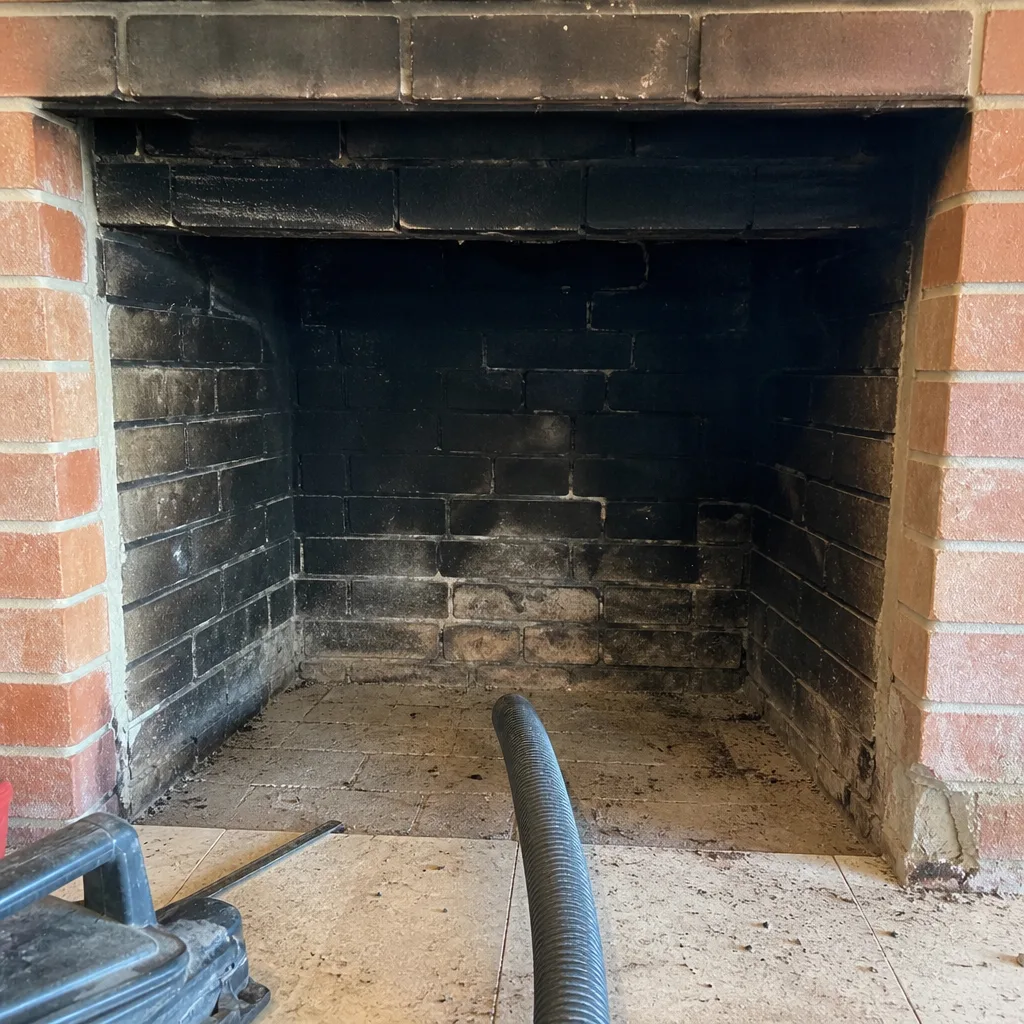 Before
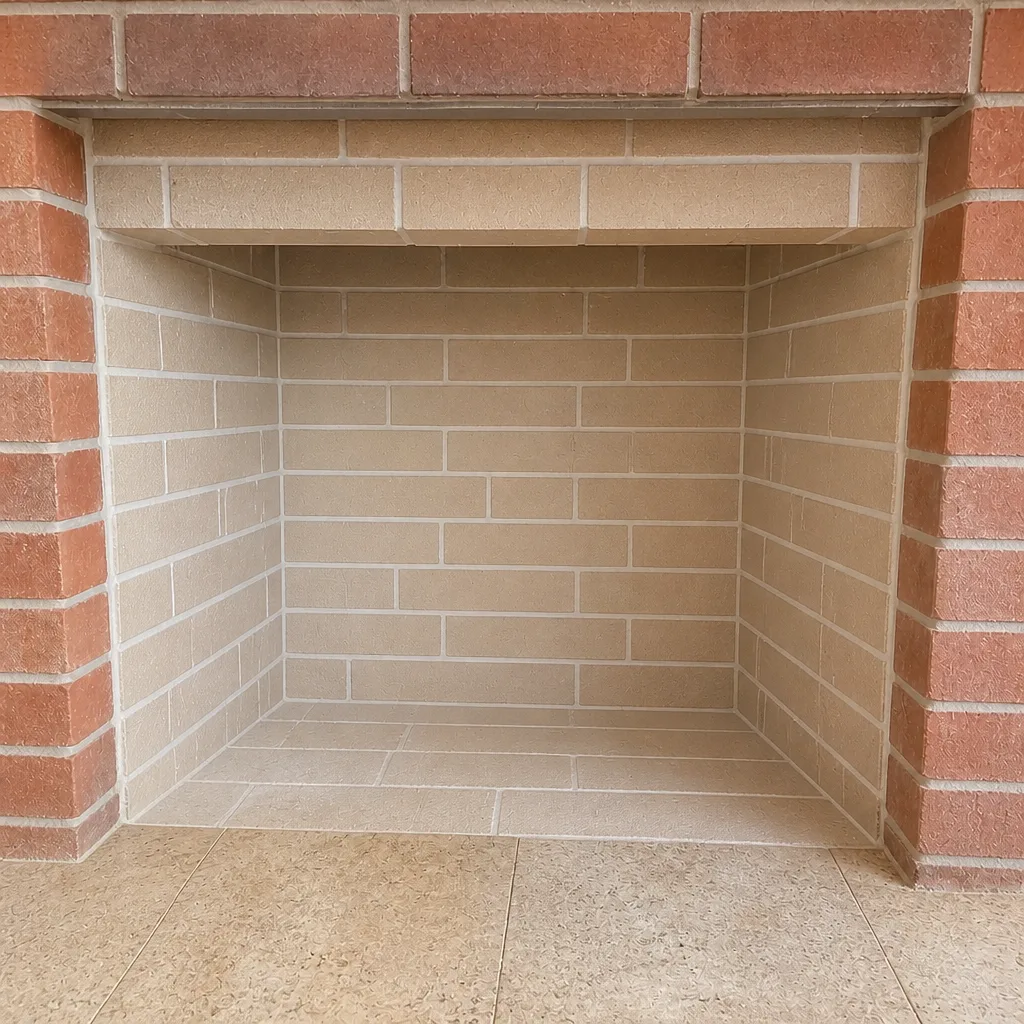 After
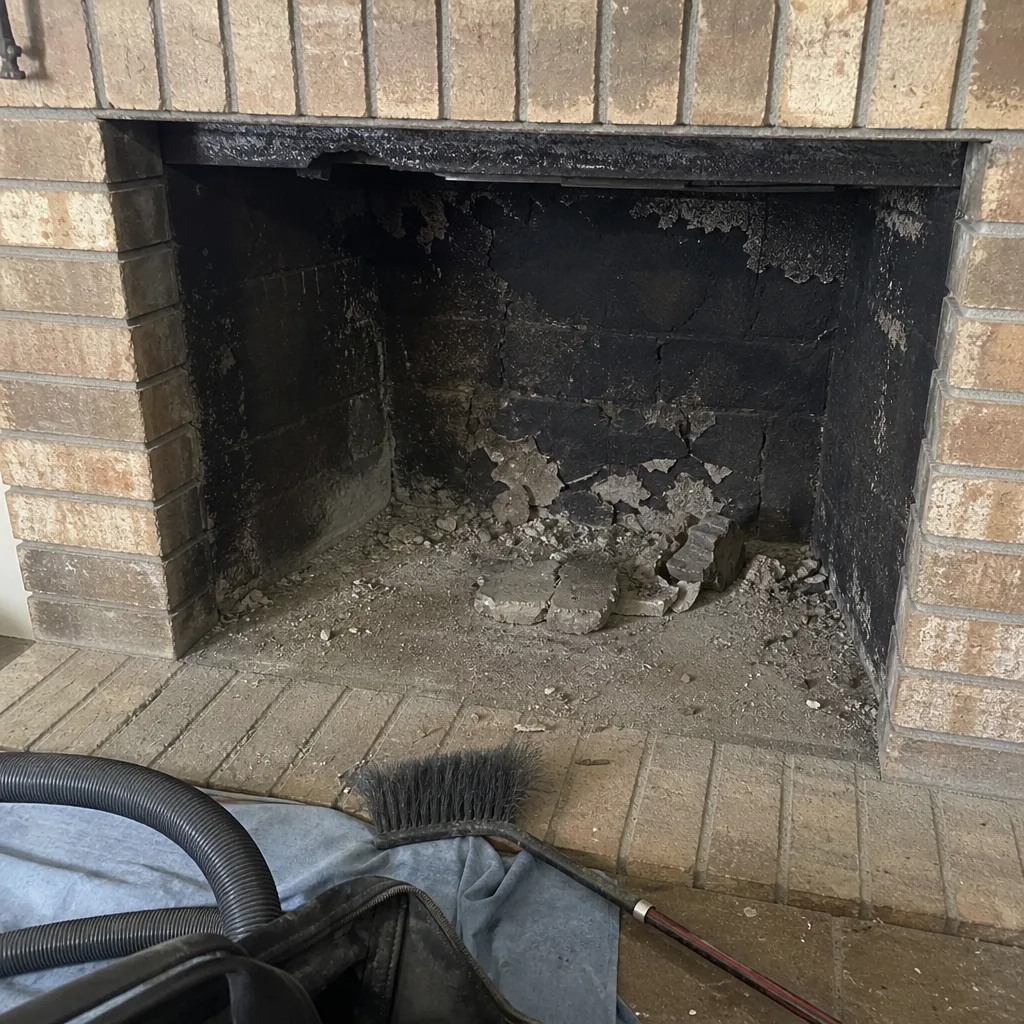 Before
 After
 Before
 After
When to Call a Professional
Call us when you have a symptom without a clear cause, when you’ve never had a camera inspection, when an annual cleaning is due, or when you notice exterior damage you can’t explain. Also call if you smell creosote indoors in warm weather, if the fire behaves differently than it used to, or if you’re seeing water in the firebox. The dangerous cases – a chimney fire, a carbon monoxide alarm, active flames in the masonry – are the ones where you call before you light another fire. Everything else can be scheduled without drama. Chimney Sweep Lubbock offers free estimates in Lubbock, with camera inspection and a photo report so you can see the evidence for yourself. Call (855) 617-0455. We answer 24/7. Fast dispatch from 7am to 7pm, Sunday through Friday.
Frequently Asked Questions
Look at the texture of the residue in the flue with a flashlight from the firebox, and note whether the symptom appears on start-up, on windy days, or in warm weather. Flaky or shiny black residue plus a smoky smell points to creosote, while smoke rolling back on start-up with a clean-looking flue points to negative pressure. A camera inspection settles it quickly. Call (855) 617-0455 for an exact quote – estimates are free.
That depends on what the camera shows, and it’s the single question most homeowners want answered without being sold. A deteriorated but structurally sound flue can often be restored with HeatShield resurfacing rather than a full liner. If the flue tile is cracked, spalling, or missing pieces, a DuraFlex liner is the right call. We show you the camera footage before recommending either. Call (855) 617-0455 for an exact quote – estimates are free.
Most standard sweep jobs here fall in the typical estimated range of $150 to $350, and a level 2 inspection with a camera report runs a bit higher. The final price is set by the written estimate for your specific chimney, not a phone quote. Nothing is charged for the estimate. Call (855) 617-0455 for an exact quote – estimates are free.
The creosote layer thickens each season and moves from Stage 1 to Stage 2, then to Stage 3, and the Stage 3 problem is the one that can’t be solved by a sweep. Small crown and flashing problems also get worse with time. Skipping a sweep once usually just means a bigger cleaning next time; skipping several seasons is how a cleaning turns into a liner job. Call (855) 617-0455 for an exact quote – estimates are free.
On high-wind days, downdraft can push smoke down the flue even in a clean chimney, so a fire may be smoky regardless of condition. If you light one and it backdrafts, open a nearby window a few inches and see if the smoke clears – if it does, the issue is pressure, not a dirty flue. Persistent wind-related backdraft is worth an inspection and a cap or termination fix. Call (855) 617-0455 for an exact quote – estimates are free.
Yes, if it hasn’t been cleaned in a while, and especially if the dryer is taking longer per load or the outside flap doesn’t open fully. Lint builds up along the entire duct run, and that buildup is a fire hazard. A proper cleaning inspects the full run, including the duct material and termination, and replaces flexible foil or vinyl ducting when it’s the problem. Call (855) 617-0455 for an exact quote – estimates are free.
The Bottom Line
The most expensive chimney problems in Lubbock are the misdiagnosed ones. Paying for a sweep when the real issue is negative pressure doesn’t fix the smoke. Paying for a liner when HeatShield resurfacing would do the job costs more than it needs to. The fix starts with the right diagnosis: a camera inspection, a check of the exterior, and a written assessment you can see for yourself. Stage 1 and Stage 2 creosote respond to a proper cleaning. Stage 3, cracked liners, and crown damage need repair, and the brand of material used on that repair matters for how long it lasts. If your dryer vent has never been inspected, treat it like the chimney. Call (855) 617-0455 for a free estimate. We answer 24/7. Fast dispatch from 7am to 7pm, Sunday through Friday.
Our technicians have up to 12 years of experience. We work across Lubbock and the surrounding area, and we use professional-grade products from DuraFlex, HeatShield, Gelco, Olympia Chimney, and Famco because they’re the materials the trade trusts, not off-brand substitutes. One company handles the sweep, the repair, and the dryer vent, so a problem found in the inspection can be fixed without a second contractor. If you’re selling a home, buying one, or just overdue for a cleaning, the same diagnostic process applies.
Written by the team at Chimney Sweep Lubbock.