
Last updated November 15, 2026
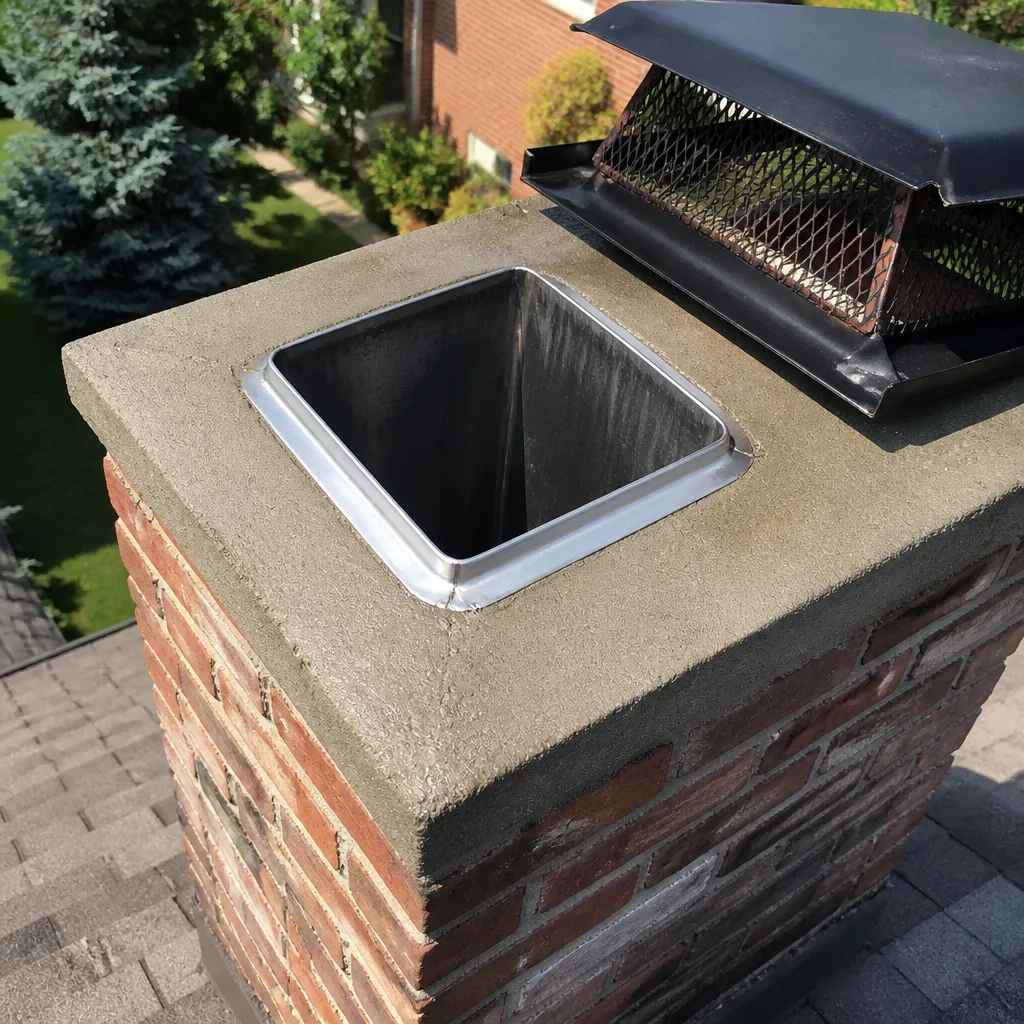 Sweep & inspection
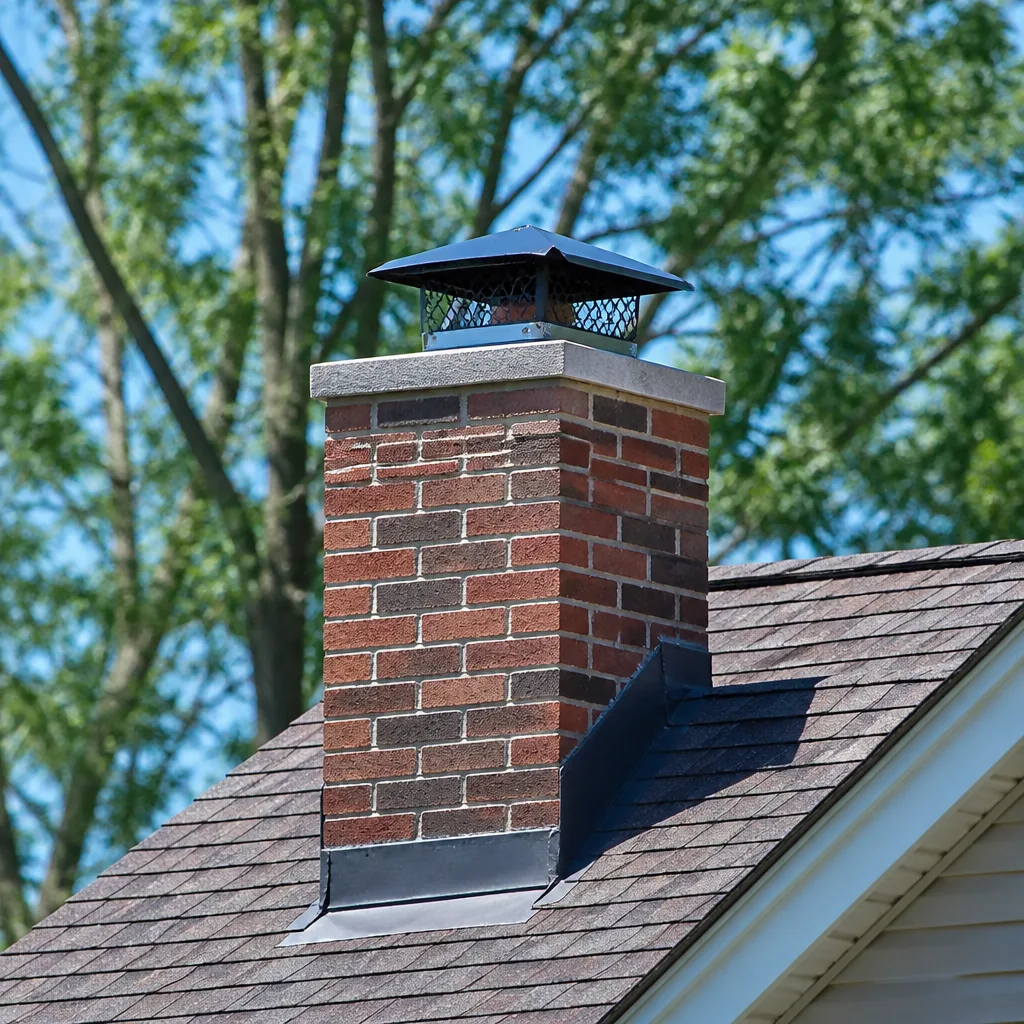 Caps & crowns
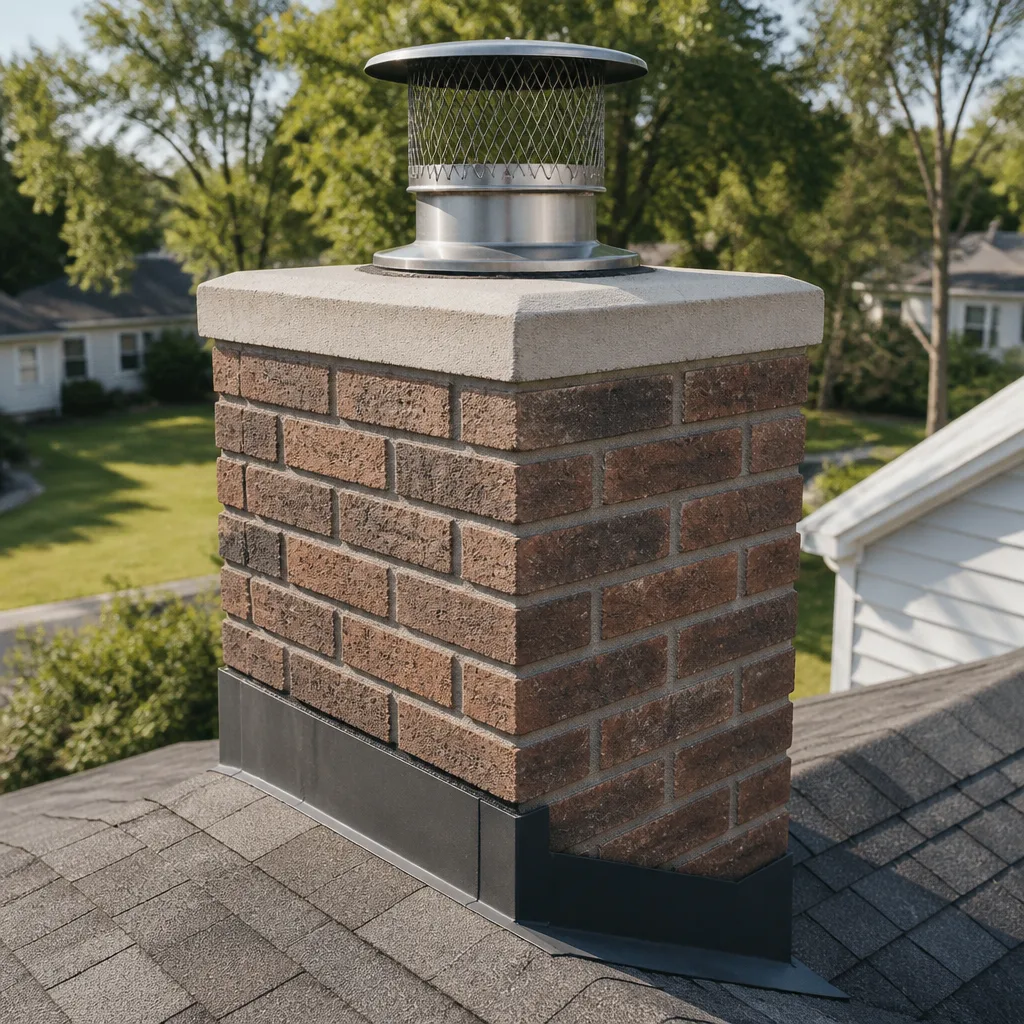 Flue relining
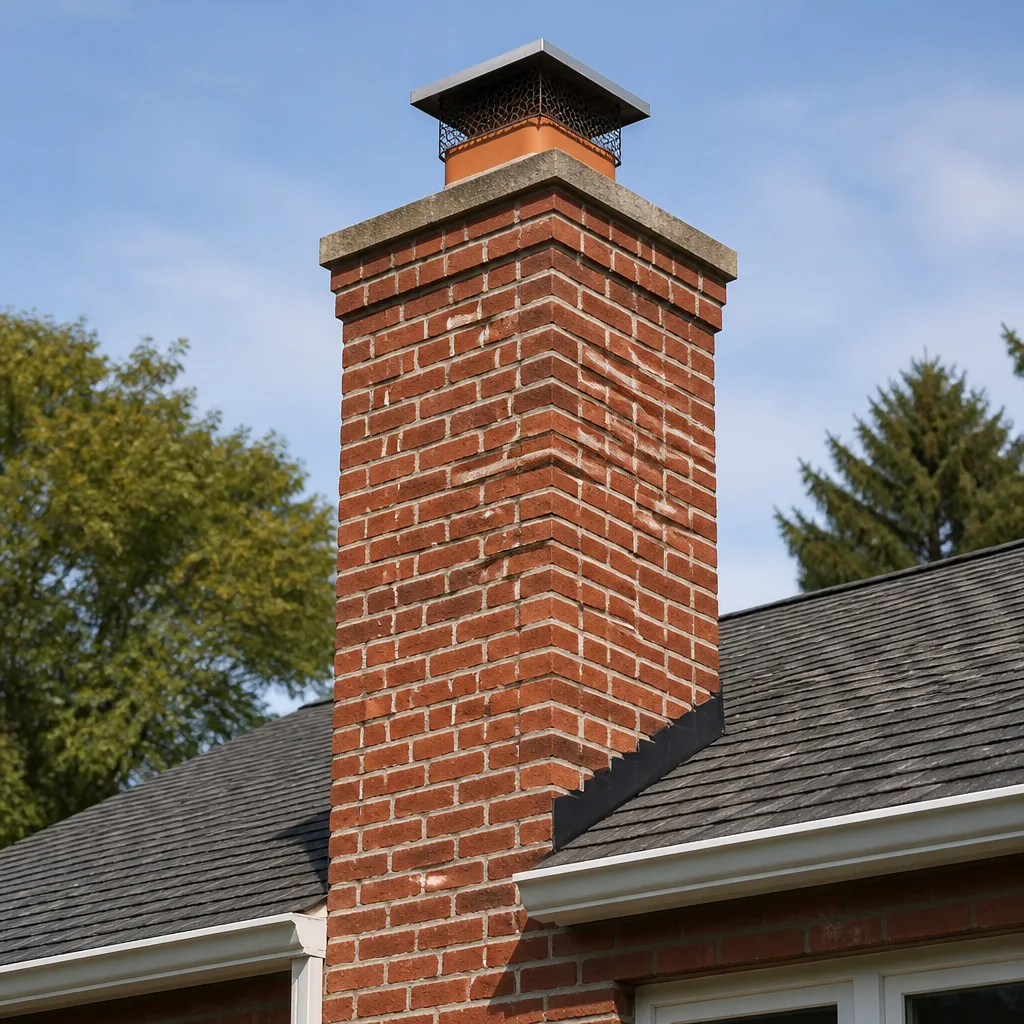 Masonry repair
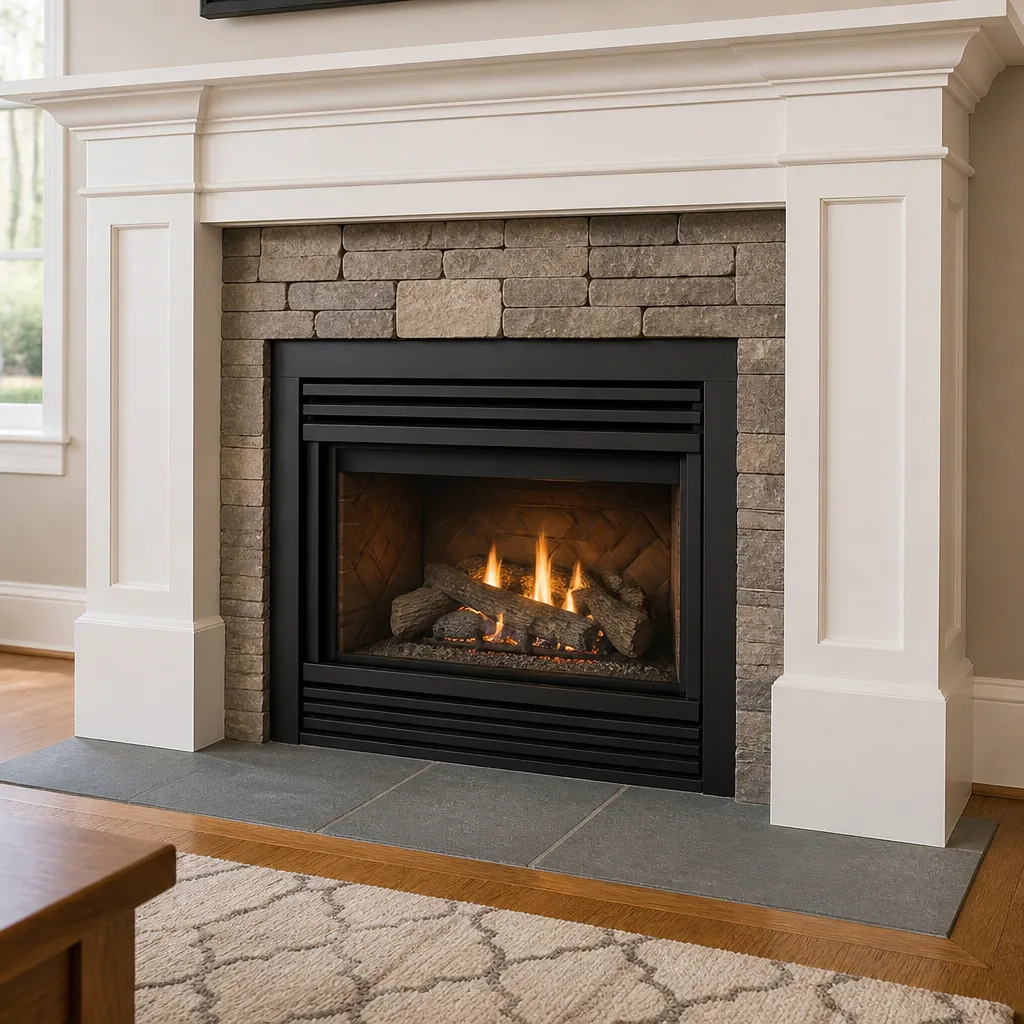 Gas fireplace service
Level 1 sweep and inspection to the NFPA 211 annual standard - flue, crown, cap, and flashing checked and photographed
Chimney sweep logs do not sweep chimneys. They loosen some creosote - which then falls where a brush and vacuum still have to collect it.
Chimney Cleaning Emergency Preparedness Guide for Lubbock Homes
Most homeowners think of a chimney emergency as something you can see – flames licking out of the firebox or a plume of smoke where smoke shouldn’t be. The harder truth is that many of the worst chimney events in Lubbock happen quietly: a creosote fire that burns itself out inside the flue, a bird nest blocking a gas insert vent and pushing carbon monoxide back into the room, or hail and wind that crack a crown and let water into the structure. You notice none of it until much later, and by then the damage is already done.
What separates a close call from a real loss isn’t luck. It’s whether you had a plan before the event, and whether your chimney was clean enough and sound enough to give you the time to act. This guide covers the specific protocols, inspection triggers, and pre-event cleaning steps that make that difference. Everything here applies to a typical Lubbock home with a wood-burning fireplace, a gas insert, or both.
Quick Answer
A chimney emergency in Lubbock is best handled by cutting the fire’s air supply carefully, evacuating everyone, and calling 911 – not by fighting the fire inside the firebox. The single most effective preparedness step is an annual inspection and sweep, because a clean, sound flue is what keeps a small creosote ignition from becoming a structure fire. Everything else in this guide builds on that one habit.
Styles & brands we work with
- Sweep & inspection
- Caps & crowns
- Flue relining
- Masonry repair
- Gas fireplace service
Table of Contents
- What Actually Counts as a Chimney Emergency
- The Chimney Fire Protocol: Step by Step
- How to Tell a Chimney Fire Happened When You Never Saw Flames
- Carbon Monoxide Risk in Lubbock Homes
- Post-Storm Inspection Triggers: Hail, Wind, and Dust
- Building Your Chimney Emergency Card
- Pre-Season Cleaning as Emergency Prevention
What Actually Counts as a Chimney Emergency
A chimney emergency is any event where fire, smoke, or carbon monoxide is moving somewhere it shouldn’t inside your home’s venting system, or where the structure of the chimney has been compromised enough that using the fireplace is no longer safe. That definition is broader than most people assume. A blocked flue that hasn’t caught fire yet is an emergency in waiting. A cracked crown after a hailstorm is the same.
Here’s how we break it down for homeowners:
- Active fire events – flames visible at the top of the chimney, roaring or popping sounds, dense smoke in the room, or black smoke pouring from the cap. These are 911 calls.
- Smoke rollback – smoke spilling back into the room instead of drafting up. This can mean a blockage, an undersized flue, or negative pressure in the house. It’s not always a house fire, but it does mean stop using the fireplace until it’s diagnosed.
- Carbon monoxide alarms – anytime a CO detector goes off in a home with a gas fireplace, gas insert, or gas appliance venting through the chimney, treat it as a venting emergency first.
- Structural damage – visible cracking, displaced bricks, a leaning stack, or a cap torn loose by wind. Halt use until it’s inspected.
- Suspected prior fire – the after-the-fact indicators covered further down. Even if it’s over, the flue is likely damaged and needs eyes on it.
Lubbock’s housing stock is a mix of older single-story homes with original masonry chimneys and newer builds with factory-built metal flues and gas inserts. Each type fails differently, and each type has its own set of emergency signs. Knowing which one you have is the first line of preparedness – and if you’re not sure, that’s a good reason to have it looked at before the next chimney sweep season. If dust infiltration has left debris in the firebox, a Chimney Sweep Lubbock visit should include a full visual inspection before you burn again.
The Chimney Fire Protocol: Step by Step
If you suspect a chimney fire in progress, the single most important thing to understand is that the fire is happening inside a confined metal or masonry channel that you cannot safely reach. Fighting it from inside the firebox – pouring water, throwing baking soda, spraying an extinguisher up the flue – is usually a mistake. The fire is not where you can reach it, and your time is better spent getting people out and calling for help.
Here’s the protocol we walk homeowners through:
- Get everyone out first, including pets. Move to the yard, away from the side of the house where the chimney is. Do not stop to gather belongings.
- Call 911 from outside. Tell them a chimney fire is suspected and give the full address. Stay on the line for instructions.
- If and only if it’s safe to re-enter briefly, close the firebox door or glass doors. This starves the firebox of oxygen, but understand that a chimney fire draws air from the top of the flue as much as the bottom. Closing the doors helps contain smoke into the room and limits fresh fuel from the firebox, but it does not snuff an active flue fire.
- Cut the air to the firebox if you have a dedicated outside air control. Closing the primary air intake on a wood stove or insert slows combustion. Again – only if you can do it in seconds on your way out.
- Do not close the damper as your first move. This is the counterintuitive part. Closing the damper on an active chimney fire can trap heat and pressure in the flue and force smoke and fire into the home through cracks or seams. It also deprives the fire of its upward draft, which sometimes lets it spread sideways into framing. The damper is a tool for a smoldering fire, not a roaring one, and you should not be second-guessing that alone. Firefighters can tell you when and whether to close it once they’re on scene.
- Wait for the fire department. Do not re-enter the home until they clear it. Do not use the fireplace again until a chimney professional has inspected the flue.
Preparedness matters here because the first two minutes decide the outcome. Have a working smoke alarm on every level, a fire extinguisher rated for chimney use, and a family meeting spot established before the season starts, not during the event. In a Lubbock home with a wood-burning fireplace, the creosote that fuels a chimney fire accumulates gradually across the season – which is why a cleaning before the first cold snap is the single best thing you can do to keep a small flare from becoming a real one.
How to Tell a Chimney Fire Happened When You Never Saw Flames
A chimney fire does not have to look like a chimney fire. Many smolder quietly at temperatures well below what ignites the roof, but high enough to damage the flue liner. When the fire burns out on its own, the homeowner never knows it happened – until the next sweep, or until a much bigger problem shows up. The indicators are specific, and you can check most of them yourself without climbing anything.
Inside the firebox and at the firebox edges, look for:
- Puffy, honeycombed creosote – creosote that’s expanded and flaked into a honeycomb pattern is a classic signature. Normal creosote is flat and glaze-like or crumbly; the honeycomb texture means heat has driven the moisture out explosively.
- Warped or cracked damper – the metal damper plate will often warp with heat. A damper that no longer seats flat is worth investigating.
- Discolored or blistered paint on the firebox surround – heat damage shows as darkening or peeling on adjacent surfaces.
- Cracked or spalling firebrick – firebrick cracks far beyond normal hairline fracturing indicate heat stress.
On the exterior, look for:
- Creosote staining at the top of the chimney cap or crown – dark streaks dripping down the exterior indicate a hot burn pushed creosote out the top.
- Warped or discolored metal caps and spark arrestors – warped metals on a factory-built flue are a strong sign.
- Singed or melted vegetation near the cap – leaves or roofing material that looks heat-damaged within a few feet of the chimney are a red flag.
- Cracked or shifted flue tiles visible from the top – this needs professional eyes, and if you’ve never had the chimney inspected top-down, the tiles have likely never been checked.
In our experience, the most common call we get after a suspected event is: “Nothing happened, but I think there might have been a small fire.” That’s exactly the right instinct to follow. A chimney professional can scope the flue and tell you visually whether it’s intact, and if the liner is degraded but not failed, a HeatShield resurfacing application can restore it without a full liner replacement. That’s the difference between a repair and a rebuild, and it’s why inspection after a suspected event is not optional.
Carbon Monoxide Risk in Lubbock Homes
Carbon monoxide is the quiet part of chimney emergencies in Lubbock. It’s colorless, tasteless, and it comes from exactly the appliance exhausting through the chimney – the gas insert, the gas fireplace, the furnace flue if it’s tied into the same masonry chase. A wood fire can also produce CO, but the higher risk in this region is gas appliances venting through a shared or adjacent chimney that has developed a blockage or a draft failure.
West Texas is a bird-heavy environment. Grackles, pigeons, and starlings are regulars, and a loose or missing chimney cap is all the invitation they need. A nest wedged into the top of a flue can block 60-80% of the vent area quickly. The gas insert fires up, exhaust has nowhere to go, and it rolls back into the living space – with no visible smoke and no smell. The CO detector is the only warning you get, and only if you have one and it’s working.
Here’s how to close that gap in your own home:
- Install CO detectors on every level, including near sleeping areas. Test them monthly. If you don’t have them, this is the single highest-value preparedness step for a home with any gas appliance venting through the chimney.
- Verify your cap. A proper cap with an integrated spark arrestor keeps birds out while letting exhaust out. A loose cap is a bird hotel. If you’ve seen birds going in and out of the top of your chimney in the last year, assume the flue needs a top-down check before the first cold snap.
- Never run a gas fireplace if the firebox smells off or the flame is orange and lazy. A healthy gas flame is blue with a small yellow tip. Orange, floppy flames with soot on the logs are a sign of incomplete combustion and a possible venting problem.
- Watch for the weather screen. Lubbock’s spring wind events are strong enough to lift poorly attached caps, and a winter cold snap can create the pressure inversion that turns a marginal draft into a backdraft. Both raise CO risk.
If a CO alarm sounds, evacuate, call 911, and do not re-enter until the fire department clears the home. After that, the venting system needs a professional inspection – a gas fireplace insert is not something you diagnose by eye. A full dryer vent cleaning alongside the chimney inspection is worth doing at the same time, because the same blocked-vent conditions that starve a chimney of draft can also let a dryer vent lint build-up create its own CO and fire risk.
Post-Storm Inspection Triggers: Hail, Wind, and Dust
Lubbock weather runs to extremes, and each kind of extreme dents a chimney in a different way. The mistake we see most often is homeowners waiting until the next heating season to look at storm damage. A chimney that took a hit in April shouldn’t wait until November to be checked, especially if you’ve been burning gas through the summer for hot water or a fireplace.
Match the event to the inspection trigger:
- Hail damage. Hail hits the crown, the cap, and the top courses of masonry hardest. Cracks in the crown allow water into the chimney structure, which then erodes from the inside out. Look for dented or cracked caps, chipped brick, and loosened mortar at the top. Any significant hail event that damages roofs in your neighborhood should prompt a top-down chimney look.
- Straight-line wind events. High winds loosen caps, shift flashing, and can dislodge flue tiles. After a major wind event, check that the cap is seated and the flashing at the roofline hasn’t lifted. If you can see daylight through the cap or the cap looks off-center, stop using the fireplace until it’s inspected.
- Dust storm infiltration. West Texas dust events blow fine grit through every opening, including the top of the chimney. If you’ve been through a major dust storm, expect grit in the firebox and on the damper surface. More importantly, a dust storm can reveal missing caps or loose flue seams that let grit past the cap. A quick interior check – flash a light up the firebox and look for grit lines – tells you whether to schedule an inspection.
In all three cases, the safe move is to stop using the fireplace until a professional inspection clears it. Storm damage rarely announces itself immediately, but a Gelco crown repair or a Famco cap replacement after a hail or wind event is far cheaper than the structural water damage that follows months of slow infiltration. If you’ve had a roof claim in the last year, add a chimney inspection to the same punch list.
Building Your Chimney Emergency Card
First responders can do their jobs faster when they walk into a home with information. They need to know where the gas shutoff is, what type of flue your chimney uses, and whether a fireplace has been burning. Nine times out of ten, that information isn’t written down. We recommend building a chimney emergency card and keeping it on the refrigerator or in a kitchen drawer – somewhere a firefighter will see it on the way through.
Here’s what belongs on it:
- Full address and a callback number. Obvious, but easy to forget on a card.
- Number of people and pets in the home. Update it as the household changes.
- Gas shutoff location. Note the exact spot – exterior side wall, meter location, or where the service enters the home.
- Chimney type. Masonry, factory-built metal, direct vent, or gas insert. If you don’t know, write “unknown – check with sweep” and get it confirmed at your next cleaning.
- Last inspection and sweep date. Even a rough date is better than nothing.
- Last cleaning date and who did it. Company name from the invoice.
- Fireplace or insert make and model if known.
- Family meeting spot outside the house. A specific tree, mailbox, or driveway corner.
Make two copies: one laminated on the fridge, one in your phone’s notes app. If you hire a company that provides inspection documentation, attach it. Chimney Sweep Lubbock delivers a photo report with every inspection, and those photos are exactly the sort of thing a first responder or a claims adjuster can use. If you’ve moved into a home with a chimney and no paperwork, an inspection in Lubbock is the fastest way to fill in the blanks.
Pre-Season Cleaning as Emergency Prevention
Everything above is a response plan. The prevention plan is simpler: clean the chimney before the first burn of the season, and inspect it at the same time. A clean flue limits the fuel a chimney fire has to work with. An inspected flue catches the cracked tile, the blocked cap, and the warped damper before they become an event.
The ideal pre-season window for a Lubbock home is late summer or early fall, before the first cool evening turns into a fire. Here’s what a proper pre-season service should include:
- A full visual inspection of the firebox, damper, flue, cap, crown, and flashing – not just a brush up the chimney.
- A camera inspection of the flue, so the interior is documented and you can see what the technician sees.
- A photo report showing condition and any findings.
- A flat-price sweep agreed before the work starts, so there’s no surprise when the invoice arrives.
- Repair recommendations only when the camera shows a real issue, with options – HeatShield resurfacing for a degraded but repairable liner, or an Olympia Chimney or Gelco component when a cap or crown needs replacing. A full reline using DuraFlex is the answer when the liner has actually failed.
Our technicians have up to 12 years of experience, and the routine we follow is designed so that nothing is recommended that isn’t documented. If the camera shows a sound flue, you’ll hear that – not a pitch for work you don’t need. If it shows a real problem, you’ll see the photo before you decide. That’s the standard we hold ourselves to, and it’s why the pre-season visit is worth the time.
Common Mistakes to Avoid
- Closing the damper as the first move on an active chimney fire. It feels like the right instinct, but it can trap heat and pressure in the flue and force smoke into the walls. Get people out and call 911; leave the damper decisions to professionals on scene.
- Burning the firebox clean with high heat to “clear” the creosote. This is the exact behavior that ignites a chimney fire. Creosote needs to be removed by a sweep, not burned off.
- Waiting until the first cold snap to schedule a sweep. The first cool evening in Lubbock often means a longer wait for an appointment. Book the inspection in late summer or early fall so you’re not tempted to burn in a flue you haven’t had checked.
- Leaving a chimney cap loose or missing after a wind event. A missing cap is an open door for West Texas birds and dust, and a nesting bird can block a gas insert flue within a season. Replace it before the venting problem starts.
- Assuming a CO detector near the furnace also covers the chimney. A CO detector on the same level as the furnace doesn’t necessarily catch CO rolling from a fireplace insert flue. Detectors belong on every level, including the living area near the fireplace.
- Using a fireplace after hail or wind damage without an inspection. A cracked crown or shifted cap is invisible from the living room. Any storm that damages roofs in your neighborhood warrants a top-down check.
- Skipping the dryer vent because it’s not part of the fireplace. Dryer vent lint build-up is a leading household fire hazard, and most chimney-only companies never look at it. It belongs in the same annual routine.
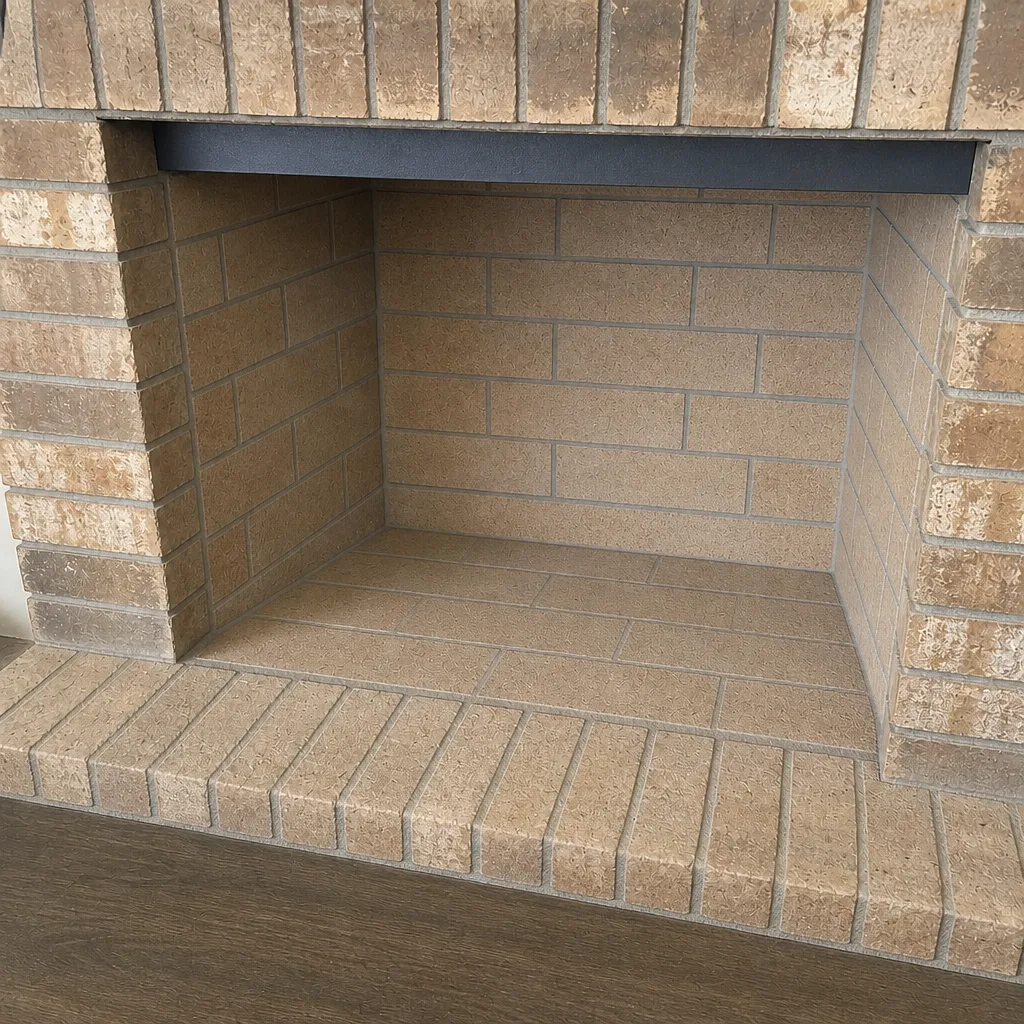
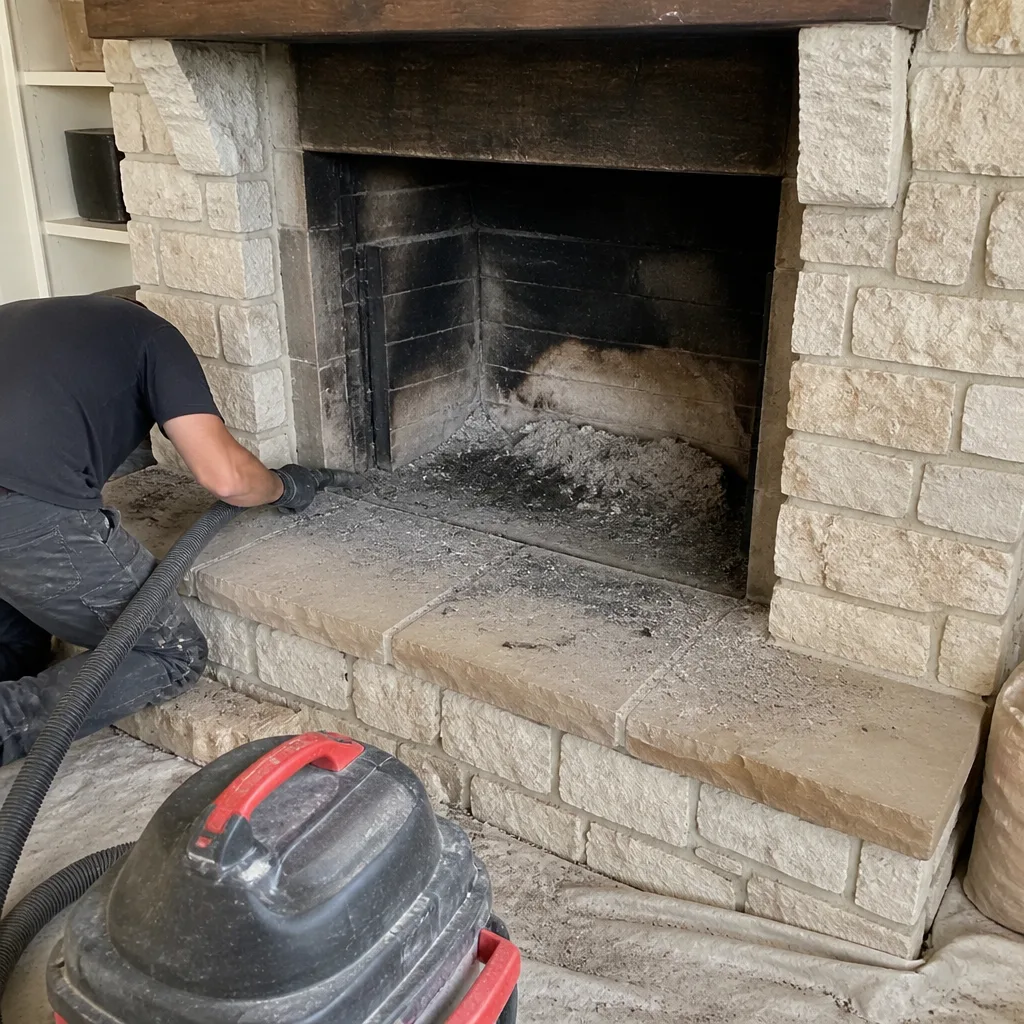
See the difference
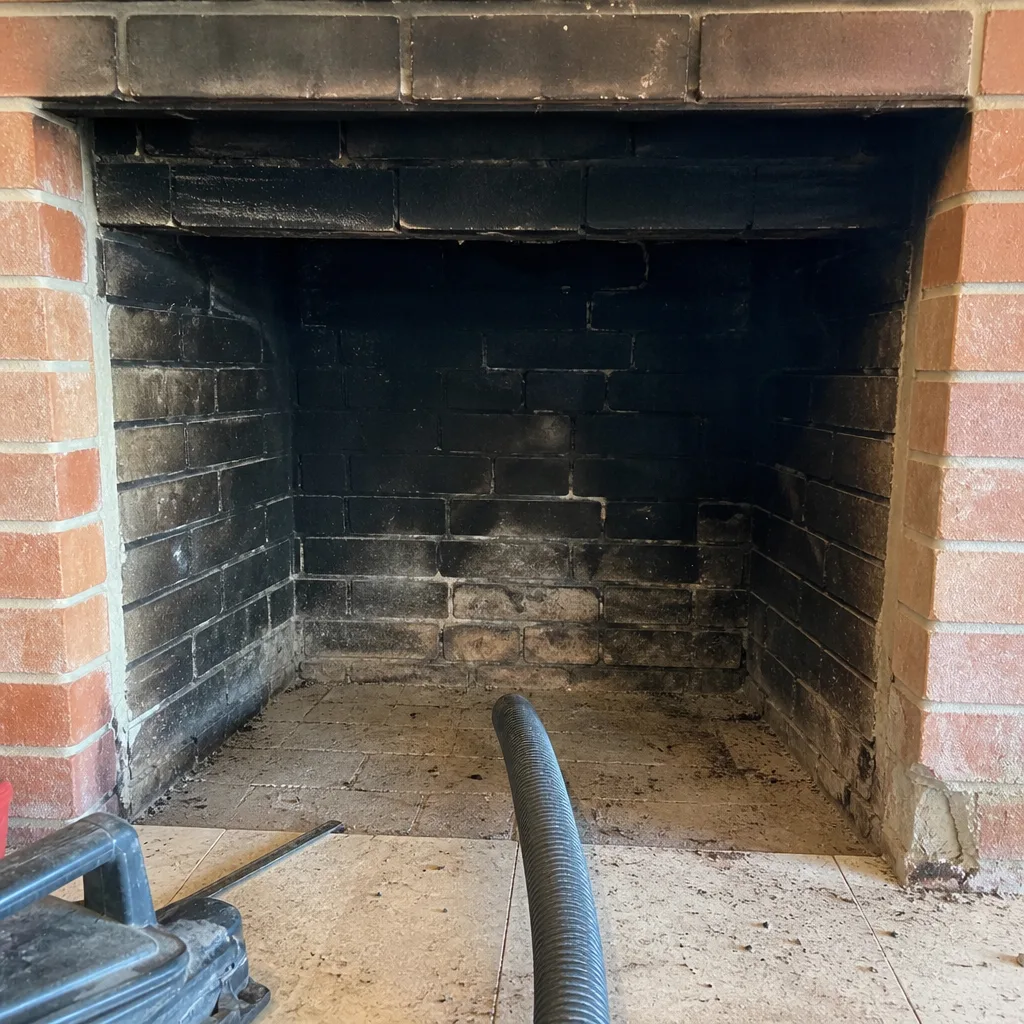 Before
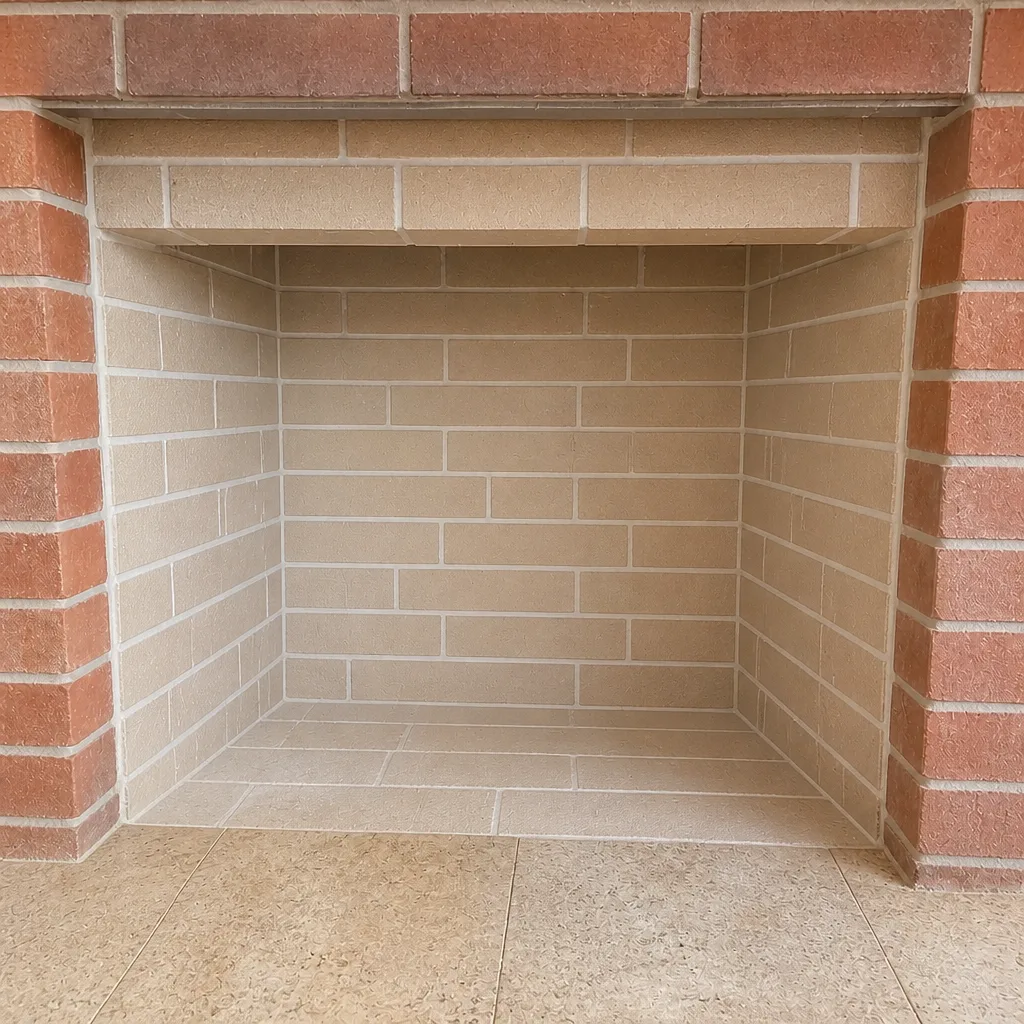 After
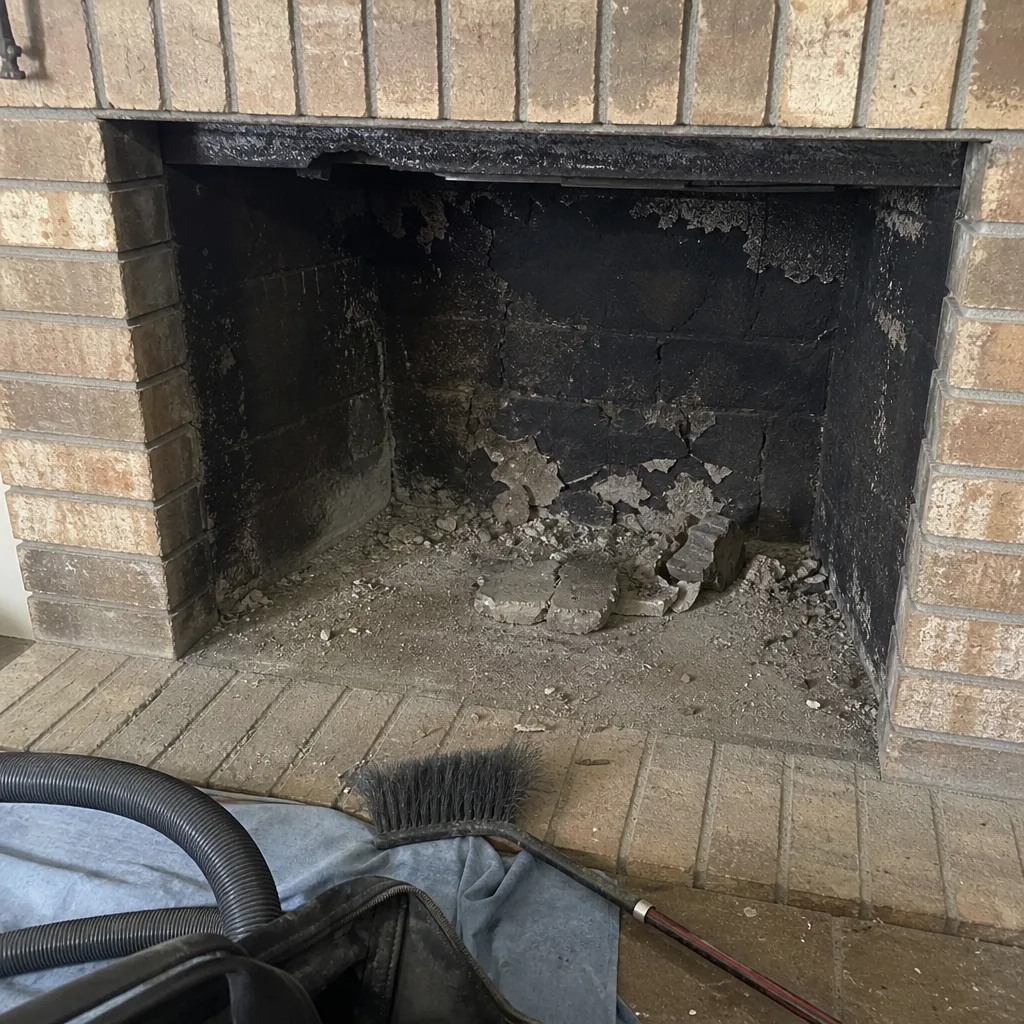 Before
 After
 Before
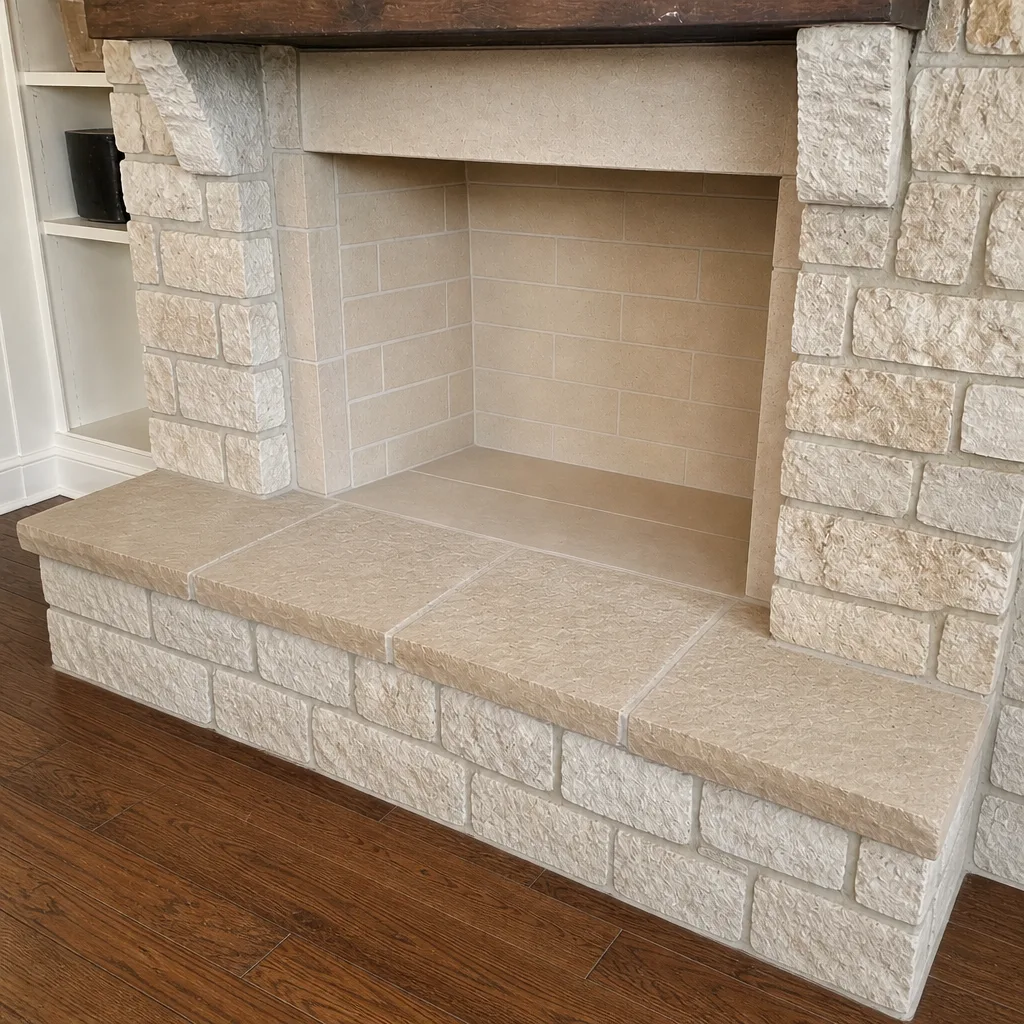 After
When to Call a Professional
Call a professional any time a chimney emergency is suspected, after any fire event, after hail or a major wind event, and before the first burn of the season. That includes smoke rollback, a CO alarm, visible roof damage near the chimney, a suspected prior fire, and any gas insert or fireplace that’s been sitting unused for more than a year. If you’ve never had the chimney inspected in a home you recently bought, that’s an immediate call. Chimney Sweep Lubbock offers free estimates in Lubbock – call (855) 617-0455. We answer 24/7. Fast dispatch from 7am to 7pm, Sunday through Friday.
Frequently Asked Questions
Get everyone out of the house and call 911 from outside. Then, only if it’s safe, close the glass doors or firebox door on your way out. Do not try to fight an active chimney fire inside the firebox – the fire is up the flue where you cannot reach it. Call (855) 617-0455 for an exact quote on post-event inspection and repair – estimates are free.
Look for puffy, honeycombed creosote inside the firebox, a warped damper, cracked firebrick, or heat-discolored paint on the surround. On the exterior, check for creosote staining at the top, warped caps, or singed vegetation near the cap. Any of these calls for a professional flue inspection. Call (855) 617-0455 – estimates are free.
Bird nesting is a real risk in West Texas, and it becomes a CO risk when a nest blocks a gas insert or fireplace flue. Grackles and pigeons full a loose cap quickly, and a blocked flue pushes exhaust back into the room with no smell or color. Verify your cap and install CO detectors on every level. Call (855) 617-0455 for an inspection – estimates are free.
Hail storms that damage roofs, straight-line wind events that loosen caps or shift flashing, and major dust storms all warrant a top-down inspection. Hail stresses the crown and cap, wind can dislodge flue tiles, and dust events expose missing caps. Call (855) 617-0455 – estimates are free.
Once a year for most homes, and more often if you burn frequently or use a gas insert with a capped flue. The pre-season visit is best scheduled in late summer or early fall. Call (855) 617-0455 – estimates are free.
A CO detector that has never gone off isn’t proof the venting is sound – it just means the conditions for a CO event haven’t happened yet. A bird-blocked flue can create those conditions in a single season. Have the flue inspected before you rely on it, and install CO detectors if you don’t have them. Call (855) 617-0455 – estimates are free.
The Bottom Line
A chimney emergency in Lubbock comes down to two minutes and one plan. Get people out, call 911, and let trained people handle the fire – closing the damper is not the reflex that saves a home. After that, the work is prevention: an annual inspection and sweep before the season, a working cap, CO detectors on every level, a post-storm check, and a chimney emergency card on the fridge. A clean flue limits the fuel a fire has to work with, and a documented inspection catches the small problems before they become structural emergencies. Our technicians have up to 12 years of experience, and we use trade-trusted brands like HeatShield, Gelco, Olympia Chimney, and Famco because the material matters as much as the workmanship. If you’re not sure where your chimney stands, start with an inspection. Call (855) 617-0455 for a free estimate. We answer 24/7. Fast dispatch from 7am to 7pm, Sunday through Friday.
Written by the team at Chimney Sweep Lubbock.