
Last updated November 15, 2026
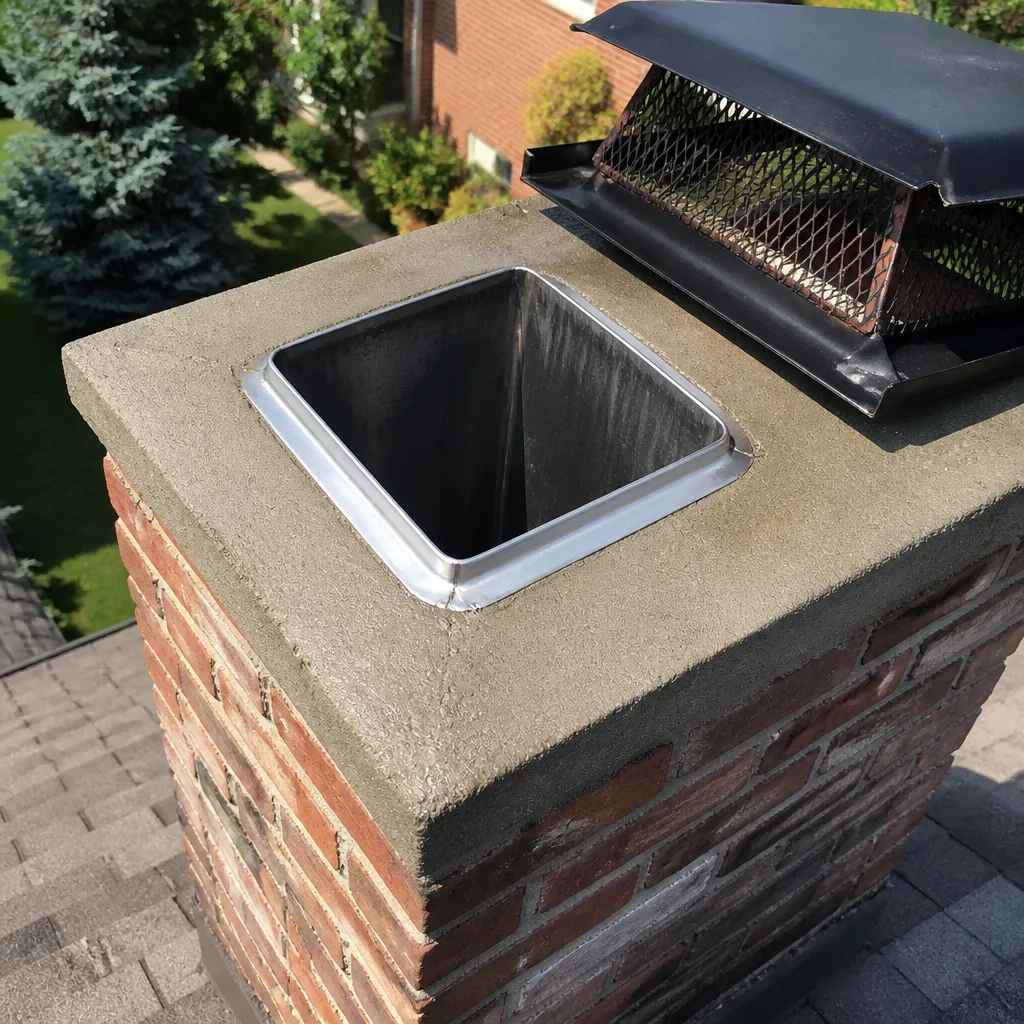 Sweep & inspection
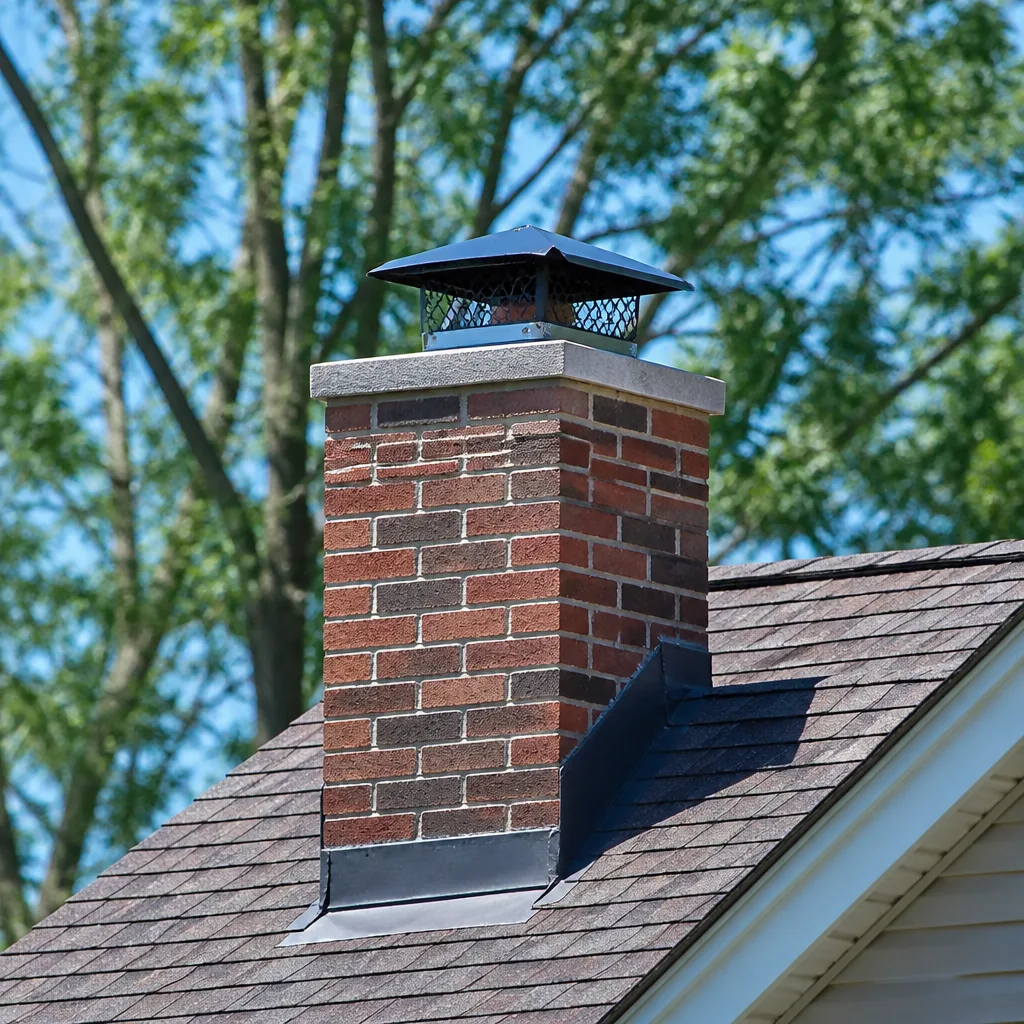 Caps & crowns
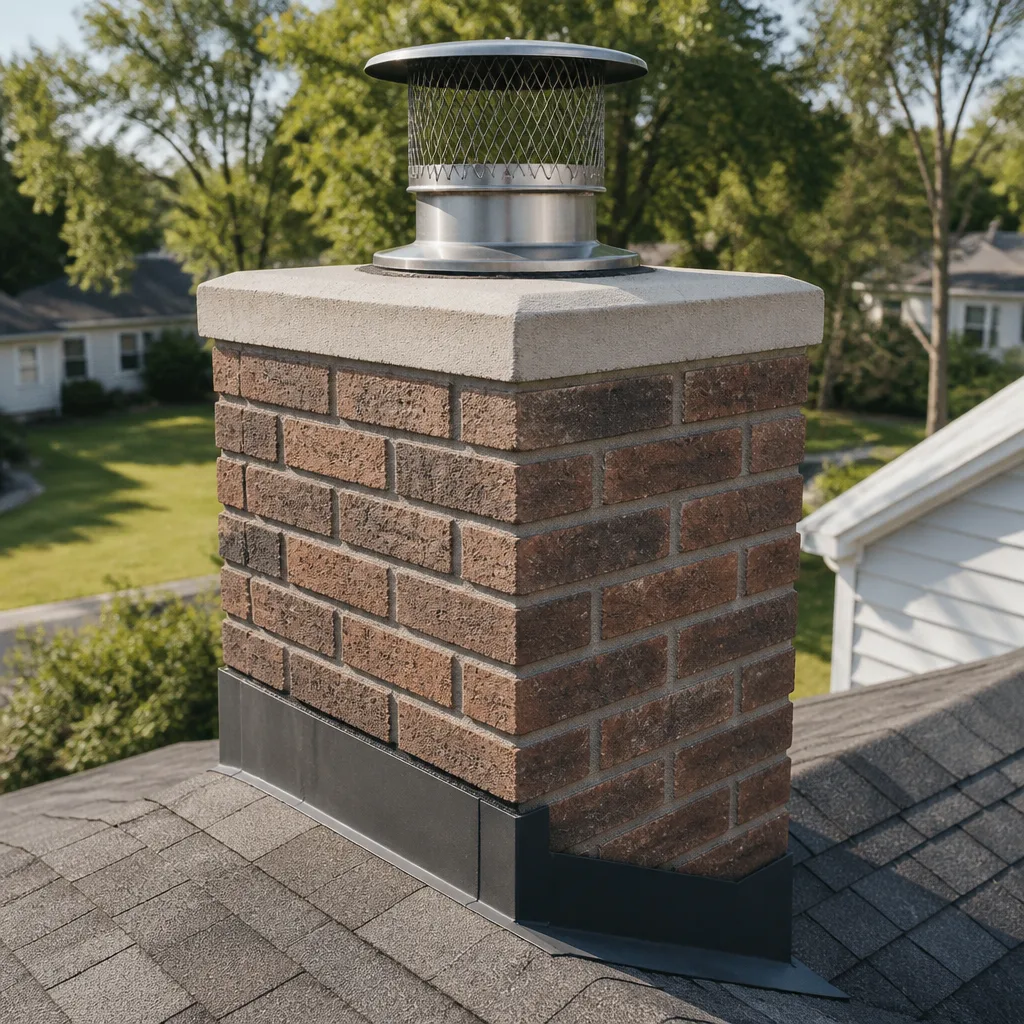 Flue relining
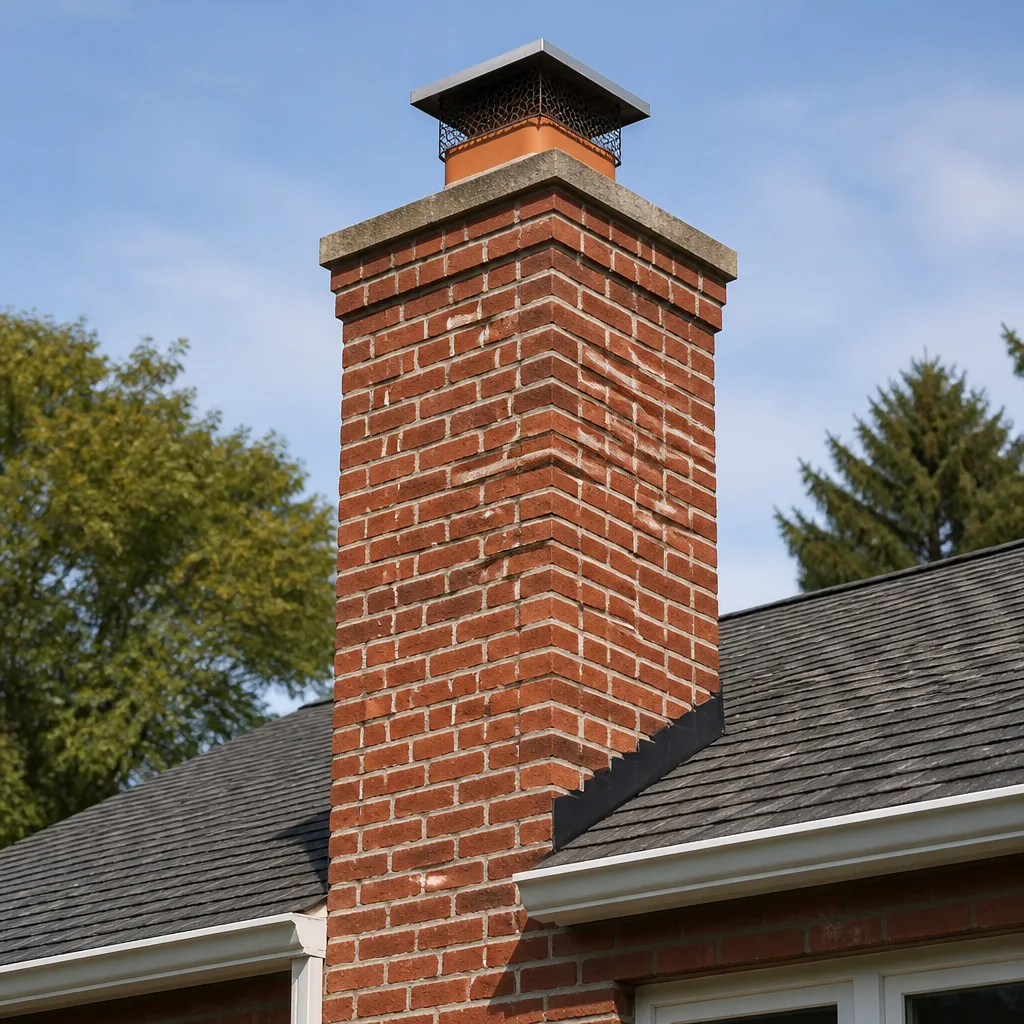 Masonry repair
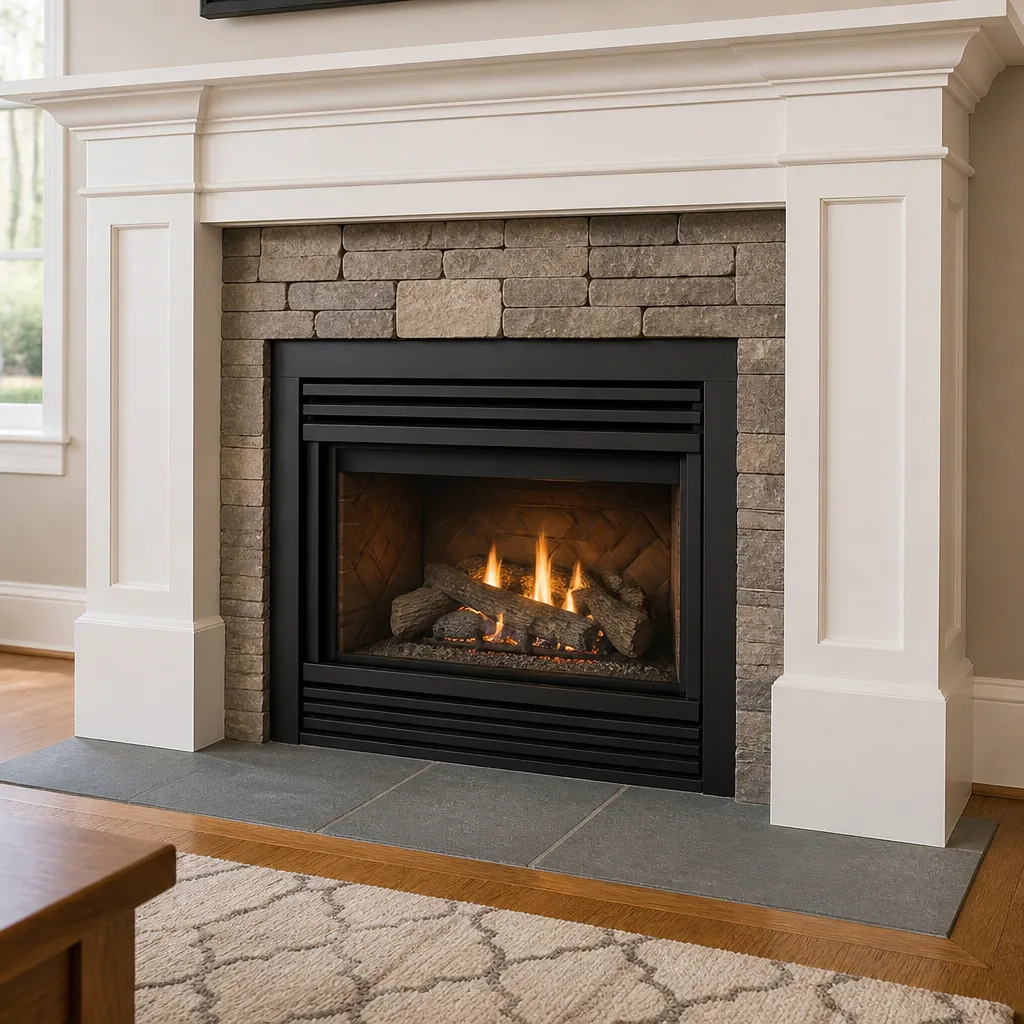 Gas fireplace service
Level 1 sweep and inspection to the NFPA 211 annual standard - flue, crown, cap, and flashing checked and photographed
Chimney sweep logs do not sweep chimneys. They loosen some creosote - which then falls where a brush and vacuum still have to collect it.
Chimney Sweep Maintenance Schedule: What to Do and When
If you burned wood fewer than 15 times last season, an annual sweep might be more than you need. But if you burned manufactured logs even 5 times, your flue may be dirtier than your neighbor’s who fed real cord wood into the firebox all winter. Creosote doesn’t accumulate on a calendar. It accumulates according to what you burn, how hot you burn it, how often, and what your chimney is built from. Treating every home on the same once-a-year schedule either wastes money or leaves a real hazard sitting in the flue. This guide lays out a maintenance schedule built around fuel type, use counts, and the seasonal rhythm of Lubbock so you know exactly what to do and when to do it.
Quick Answer
Most wood-burning homeowners in Lubbock need one professional chimney sweep after the heating season and a visual inspection before the next one. If you burn regularly through the winter, you may need a mid-season inspection too. Gas inserts need an annual inspection but rarely a full sweep. Dryer vents should be checked once a year, ideally before summer heat pushes your dryer into heavy use. The single annual sweep is the floor, not the ceiling.
Styles & brands we work with
- Sweep & inspection
- Caps & crowns
- Flue relining
- Masonry repair
- Gas fireplace service
Table of Contents
- Why a Once-a-Year Sweep Isn’t the Whole Schedule
- The Fuel-Type Matrix: How Fast Your Chimney Actually Soils
- The Lubbock Month-by-Month Maintenance Calendar
- Usage Thresholds That Trigger an Extra Inspection
- Which Components Need Attention on Which Cycle
- Dryer Vent: The Other Half of the Schedule
- Keeping a Chimney Log That Actually Works
- Common Mistakes to Avoid
Why a Once-a-Year Sweep Isn’t the Whole Schedule
The old advice, “sweep your chimney once a year,” isn’t wrong so much as incomplete. It assumes every home burns the same fuel the same way in the same chimney. That’s rarely true. In our experience, two neighbors on the same street in Lubbock can have wildly different flue conditions after a winter, one nearly clean, one carrying a heavy glaze of third-degree creosote, simply because one burned seasoned hardwood hot and the other burned softwood slow.
Creosote is the tarry byproduct of incomplete combustion, and it builds up fastest when three things happen together: the fuel is damp or resinous, the fire runs cool, and the flue stays cool. A chimney sweep removes what has already formed. The maintenance schedule is what keeps it from forming faster than the sweep can remove it.
The other reason an annual sweep alone falls short is that a chimney is more than a flue. The crown, flashing, cap, and masonry joints all age on their own timelines. A sweep clears the flue but says nothing about whether the crown will crack before the next rainy season. That’s why the schedule we recommend has two tracks: one for what burns inside the firebox and one for what lives on the roof.
Think of it in three layers. First, the fuel and usage track: how much creosote your fire produces. Second, the structural track: how the crown, flashing, cap, and liner hold up over seasons. Third, the appliance track: your dryer vent, which has nothing to do with the chimney but competes with it every year for the same household fire hazard risk. A schedule that tracks all three keeps the whole system safe.
What a “Layer” Means in Practice
- Fuel and usage: reviewed every sweep, adjusted by what you burned that winter.
- Structural: inspected annually but evaluated on a 2-3 year cycle for crown and flashing repairs.
- Appliance: dryer vent inspected once a year, cleaned on a schedule tied to load volume.
The Fuel-Type Matrix: How Fast Your Chimney Actually Soils
Not all fuel produces creosote at the same rate. If you want to know how often a chimney sweep in Lubbock should visit your home, start with the fuel. Here’s how the major fuel types stack up and what that means for sweep frequency.
| Fuel Type | Creosote Rate | Recommended Sweep Frequency |
|---|---|---|
| Seasoned hardwood (oak, pecan, mesquite) | Low to moderate when burned hot | Once a year after heating season |
| Softwood (pine, cedar, fir) | Moderate to high; more resin | Once a year, possibly twice if used heavily |
| Manufactured logs | High wax and binder content | Once a year, sometimes mid-season for frequent users |
| Unseasoned or damp wood | Very high; smoke-heavy burn | Sweep as soon as winter ends; consider mid-season if you use it often |
| Gas insert or log set | No creosote; annual visual and venting inspection | Annual inspection, sweep only if debris builds |
Seasoned hardwood remains the cleanest way to burn, and that’s why most Lubbock homeowners who cut and dry their own wood fall into the simplest schedule. Softwoods are fine structurally but burn faster and hotter, and if they’re damp at all they smoke. That smoke carries the resin that becomes creosote.
Manufactured logs deserve their own mention because they’re so often dismissed. Those logs are dense by design and often contain wax binders that make them burn consistently. That consistency is good for heat but tends to deposit a tougher, more adhesive residue in the flue. A homeowner burning manufactured logs exclusively may need a sweep partway through the burn season, not just after it.
The 5-Log Rule for Manufactured Logs
Our experience: if you burn more than about 5 manufactured logs per season on top of regular cord wood, plan on the sweep even if the firebox looks clean. Numbers vary by chimney, and your sweep will tell you what your flue shows. The 5-log rule is a starting point, not a fixed law.
The Lubbock Month-by-Month Maintenance Calendar
Lubbock’s winters are mild compared to what most people picture when they hear “chimney.” That changes the calendar. You don’t have a hard freeze season carving the burn schedule, and you don’t have a months-long deep winter during which the fire never goes out. The result is that most Lubbock homeowners burn in shorter, more concentrated stretches, usually during cold snaps, and use the fireplace more lightly in between. That usage pattern matters for scheduling.
Here’s the annual rhythm we recommend for a Lubbock home.
- September: pre-season inspection. Before the first cold snap, have the system inspected. A visual or camera inspection in September catches cracked liners, loose caps, or crown damage while there’s still time to schedule repairs before burn season.
- October through November: light first burns. As the first fronts move through, you’ll begin burning. Keep the fuel dry, and watch for smoke rolling back into the room. That’s a draft problem, not a fire problem, and worth noting for the next inspection.
- December through February: peak burn season. This is when a mid-season check pays off if you’re burning frequently. If your fire runs several nights a week, check the flue for visible soot and watch for the telltale glassy glaze of third-degree creosote. Call early if you see it.
- March: post-season sweep. This is the most important sweep of the year. As soon as the burn season winds down, schedule a full sweep. Creosote sitting in a flue through the hot, dry months is one thing; creosote sitting in a flue through the following burn season is another.
- April through May: crown and flashing examination. Before summer storms and the summer UV cycle, walk the roofline or have it examined. Look for cracks at the crown, loose flashing at the roofline, and cap damage from winter wind.
- June: dryer vent inspection. Before summer heat and long dryer cycles, get the dryer vent checked by a professional. The heat and volume of summer laundry is the worst combination for a restricted vent, and getting it done in late spring means it’s ready before the heavy season.
- July through August: repairs and relining. Any repairs identified in the spring can be scheduled now, when the chimney isn’t in use. If a liner needs restoring, a thorough chimney sweep and inspection during the summer gives you the flexibility to do it before September.
- Repeat. The calendar loops back to September with a clean, inspected system ready for the next season.
If that sounds like a lot, it isn’t if it’s structured. The September inspection and the March sweep are the anchors. Everything else is either seasonal housekeeping or the follow-up that comes out of those two visits.
Usage Thresholds That Trigger an Extra Inspection
Between an annual sweep and no schedule at all, there’s a middle ground: extra inspections triggered by how much you actually burned. Here are the usage thresholds we’ve found most useful to track, along with recommended actions.
- 1 full cord of seasoned hardwood or more in a season: schedule the standard annual sweep and keep an eye out for soot on the flue walls mid-season.
- More than 2 full cords in a single season: plan a mid-season inspection around January. That volume of wood, particularly in a smaller flue, can produce visible soot quickly.
- More than 5 manufactured logs (any brand): as noted, consider a sweep as soon as the burn season ends, even if the firebox still looks clean.
- Any softwood used more than occasionally: treat softwood the same as a heavier cord count, and inspect earlier than you otherwise would.
- Any single chimney fire, even a small one, or even a suspected one: inspect immediately. A chimney fire, even a self-extinguished one, can crack the liner without obvious outward signs. A crack is a path for carbon monoxide to enter the home, not just a loss of drafting.
- After a significant roof or structural repair near the chimney: have the chimney inspected once the work is finished. Roofing and flashing work can shift the cap or loosen the crown joint without an obvious failure.
- Before a home sale or purchase: get a fresh inspection and a written report, even if you had one last season. Buyers and their lenders will want documentation.
These thresholds aren’t arbitrary. In our experience, a homeowner who burned 3 cords of damp softwood is going to have a very different flue than someone who burned half a cord of dry oak, and both of them will have used the fireplace equally. The point of the schedule is to catch that difference before it becomes a problem.
Which Components Need Attention on Which Cycle
A chimney doesn’t age as a single unit. Different components degrade at different rates, and knowing the cycles keeps you from replacing something that has years left or skipping something that needs a look.
Liner: Annual Inspection (Clean or Repair as Needed)
The flue liner is the innermost surface, and it takes the worst of the creosote and heat. Every sweep is an opportunity to check it for cracks, gaps, and spalling. Clay tile liners can crack over time; metal liners can warp or separate at joints. If a liner is deteriorating but not failed, a HeatShield resurfacing can restore it without the cost of a full liner replacement. That’s the kind of repair where catching it early saves real money and disruption. If the liner is beyond repair, a full reline using a DuraFlex liner system is the right path, and it’s a job we handle directly so there’s no handoff to a second contractor.
Crown and Flashing: Every 2-3 Years (Annually Inspected)
The crown is the concrete or masonry cap at the top of the chimney that sheds water away from the flue. Flashing is the metal that seals the chimney to the roofline. Both last a long time but not forever. In our experience, a crown is worth close examination every 2-3 years, and annual inspections catch early cracks. Flashing tends to fail at the seams and corners, and a small leak there can lead to unseen water infiltration into the chimney structure long before it shows up as a stain inside the house. Both can be repaired without replacing the whole chimney, and both are far cheaper to fix early.
Chimney Cap: After Any Significant Storm
Lubbock gets its share of wind and hail. The cap, which keeps rain, animals, and debris out of the flue, is a prime candidate for damage in a wind event. A quick check after major storms is cheap insurance, and a damaged or missing cap is one of the easiest problems to correct. If you see birds entering the chimney or smell a damp, smoky odor inside, a missing or broken cap is the likely culprit.
Dryer Vent: Annual Inspection, Cleaning as Needed
The dryer vent is a separate system, but it lives on the same maintenance calendar. A restricted vent traps lint, which is highly combustible. Dryer vent cleaning is a fire-safety service, not a cosmetic one, and it belongs in the same annual rhythm as the chimney. A quick inspection each spring, with cleaning scheduled before the summer load, keeps it running responsibly. We use Famco products for vent work because they’re built for the job and last.
Dryer Vent: The Other Half of the Schedule
Most homeowners think of a chimney sweep as someone who works on the chimney and stops there. But the same household fire-risk math that makes chimney sweeping essential applies to the dryer vent. In our experience, a restricted or lint-packed dryer vent is one of the most overlooked fire risks in a home, and it’s often a chimney-only company that ignores it.
Here’s how the dryer vent fits into the annual schedule.
- Annual inspection: once a year, ideally in late spring. A professional inspection will look for lint buildup, crushed or disconnected duct, and the length and routing of the run.
- Cleaning frequency: depends on load volume. A household running several loads a week needs more frequent cleaning than one running a couple. Whatever the volume, cleaning is the safer default.
- Warning signs between cleanings: clothes taking longer to dry, a hot dryer exterior, a burning smell during the cycle, or a heavily lint-coated exterior vent flap. Any of those mean schedule it now.
- Why it belongs in one visit: combining the chimney and dryer vent inspections under one appointment means one point of contact and one accountable specialist. We use Famco products for dryer vent work because they’re trade-trusted, and we can handle the whole thing in the same service visit.
There’s a second reason to fold it in: it’s easy to forget. A dedicated calendar reminder for both systems at once means neither falls off the list.
Keeping a Chimney Log That Actually Works
A chimney log is exactly what it sounds like: a simple record of every service, inspection, and repair. It’s the single most useful document a homeowner can keep about their chimney, and it’s surprisingly rare. Here’s how to build one that will actually be useful to you, to your sweep, and to a future buyer.
- Start with the basics. Date of each service, who performed it, and what was found. A short paragraph per visit is enough.
- Record the fuel. Note what you burned that season: seasoned hardwood, softwood, manufactured logs, or gas. This is the detail that lets a professional understand your flue at a glance.
- Record the findings. Creosote level, any cracks in the liner, cap condition, crown condition, flashing condition. Photographs are worth including if you have them.
- Record the materials. If a repair or reline was done, note which brand was used. Copperfield, Olympia Chimney, and Gelco are trade-trusted brands, and knowing which one was installed helps the next professional source a matching part or extend the service life.
- Record the dryer vent too. Same visit log, same calendar entry. Vent cleaning and inspection notes fit alongside the chimney notes without any extra structure.
- Keep it where it can be found. A folder in the home file, a note on the utility closet door, or a digital copy. It should be available to any professional who services the chimney and to anyone who inspects the home during a sale.
Why this matters: when the time comes to sell, a buyer’s inspector will want to know when the chimney was last serviced. A log with dates, fuel types, and material brands answers that instantly. It also gives a new sweep a baseline. Without one, every professional starts from zero, and the homeowner ends up paying for discovery that a good log would have handed over for free.
Common Mistakes to Avoid
- Treating the annual sweep as a fixed appointment regardless of use. A homeowner who burned a single cord of dry oak doesn’t have the same flue as one who burned three cords of damp softwood. Match the schedule to the actual burn, not the calendar.
- Burning manufactured logs and skipping the mid-season check. The 5-log rule exists for a reason. Manufactured logs leave a stubborn residue that hiding in the firebox alone won’t reveal, and a mid-season inspection catches it.
- Ignoring the dryer vent because the chimney gets all the attention. Lint-packed dryer vents are a genuine fire hazard, and they’re one of the most overlooked in Lubbock homes. Fold the inspection into the same annual visit.
- Waiting until the crown is cracked to think about the crown. A crack in the crown lets water into the masonry, and water in the masonry is what turns a small repair into a structural one. Check every 2-3 years, not after the crack shows on the interior wall.
- Skipping the post-storm cap check. A lost or dented cap is one of the cheapest things to fix and one of the easiest to forget. A quick walk-around after any wind event catches it.
- Not keeping a log. Every professional you hire, and every buyer’s inspector, starts from scratch without a log. That’s discovery work you pay for, not them.
- Letting a small liner issue become a reline. A liner that’s deteriorating but not failed can often be restored with HeatShield resurfacing rather than a full reline. Waiting for failure means paying for the replacement instead of the repair.
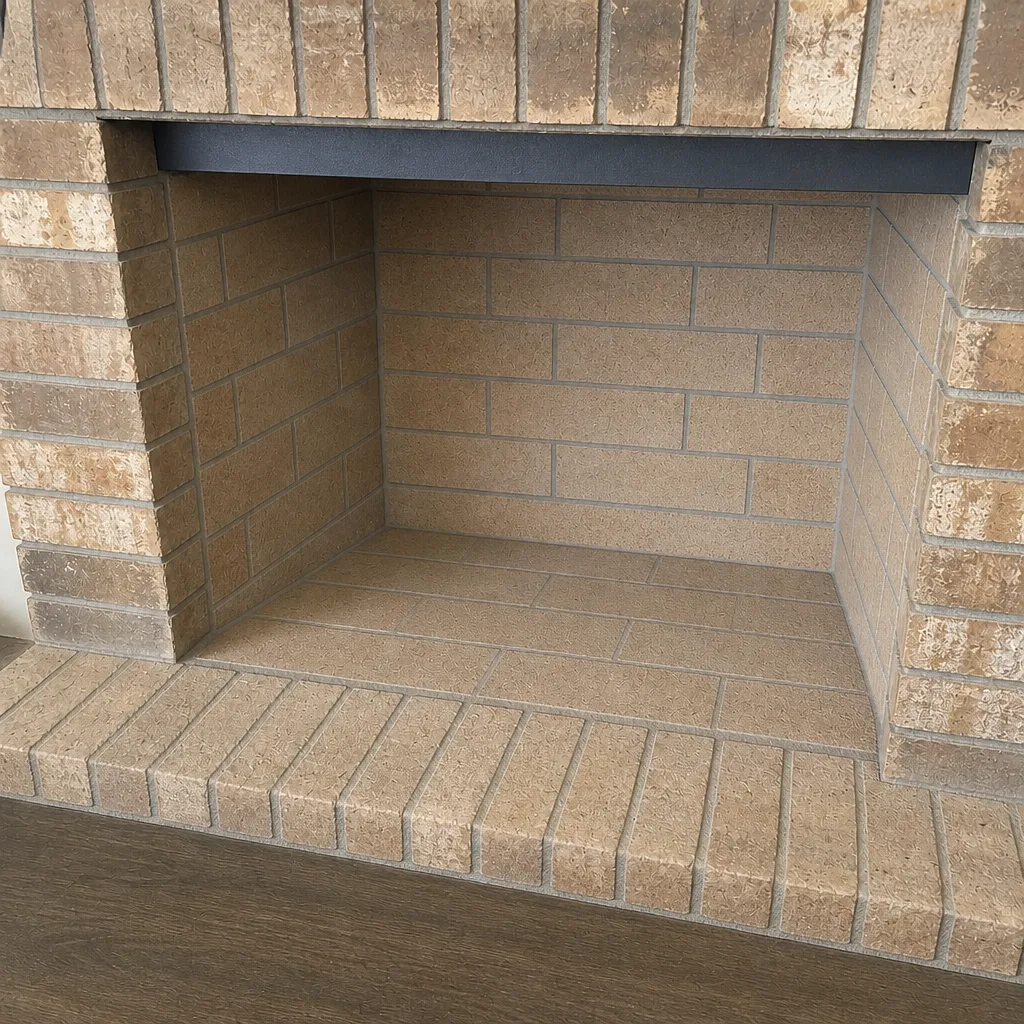
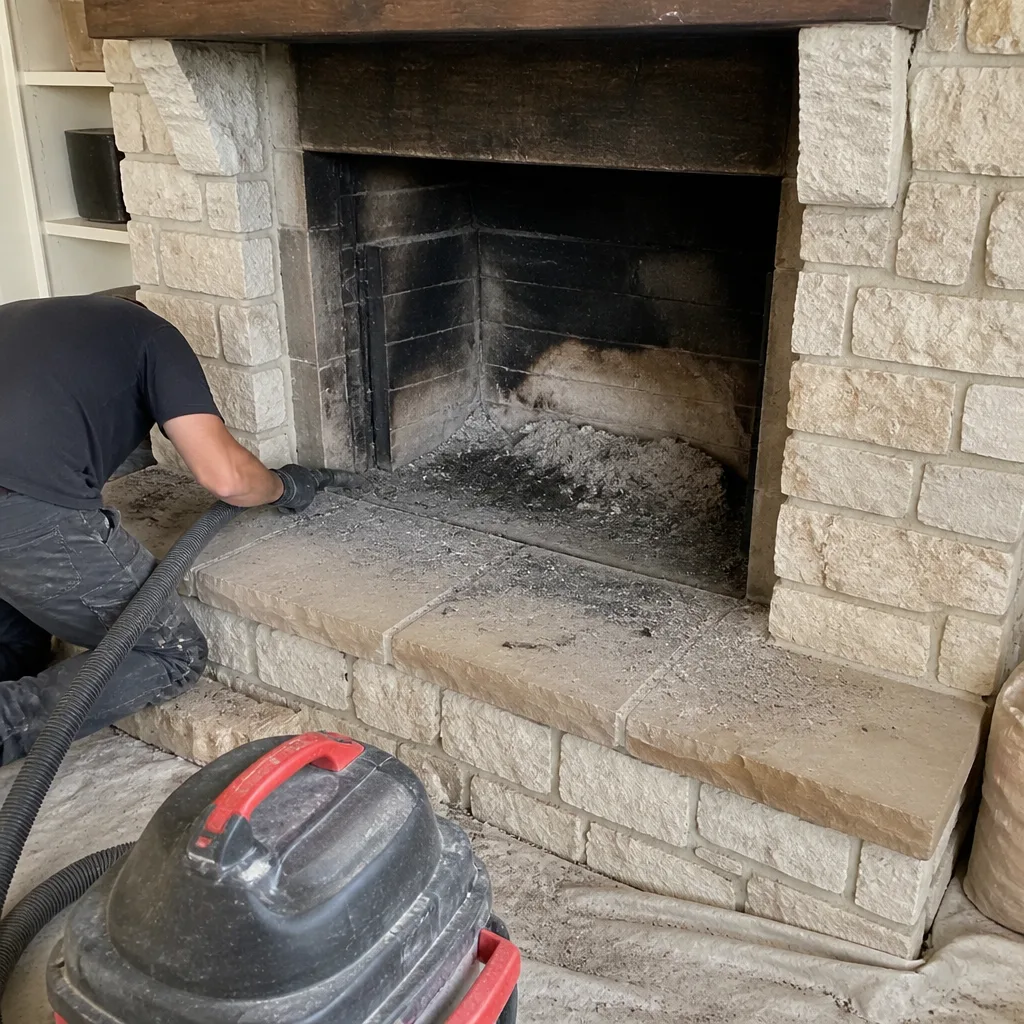
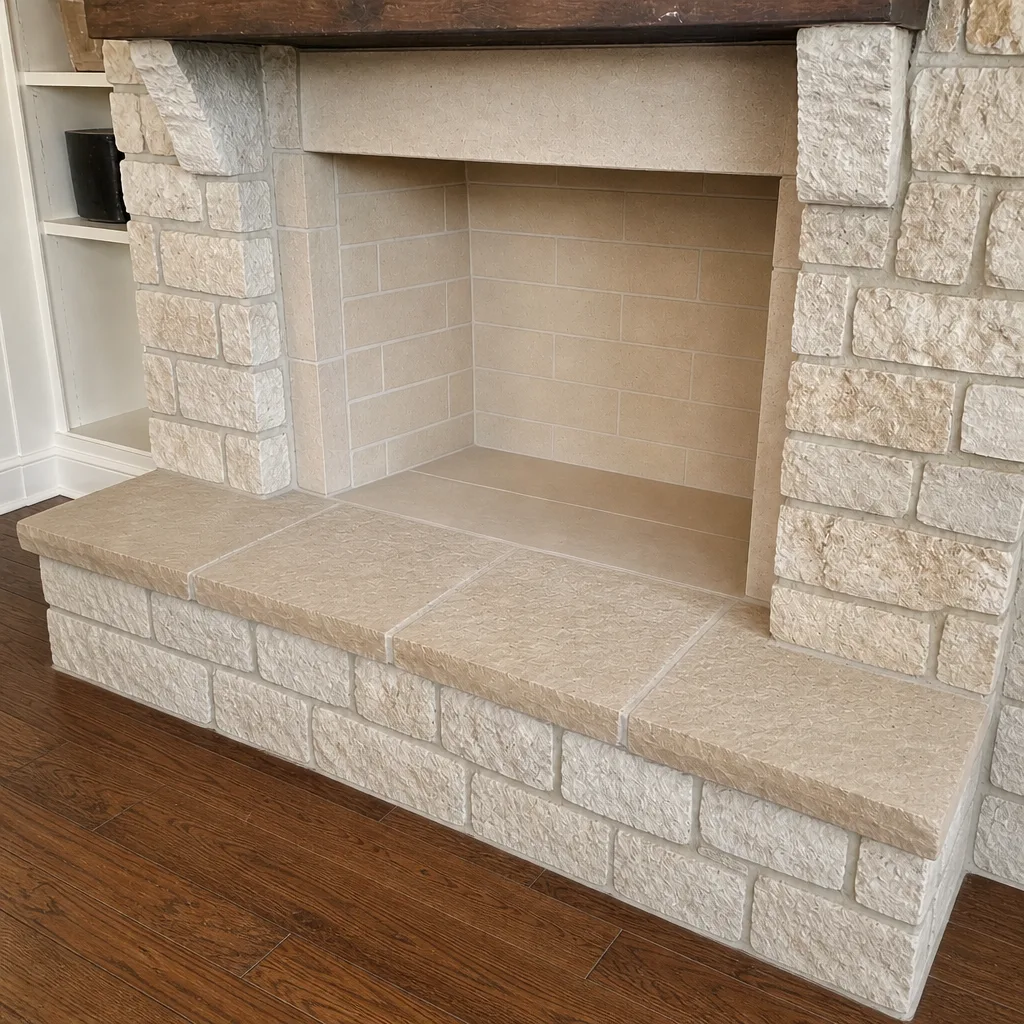
See the difference
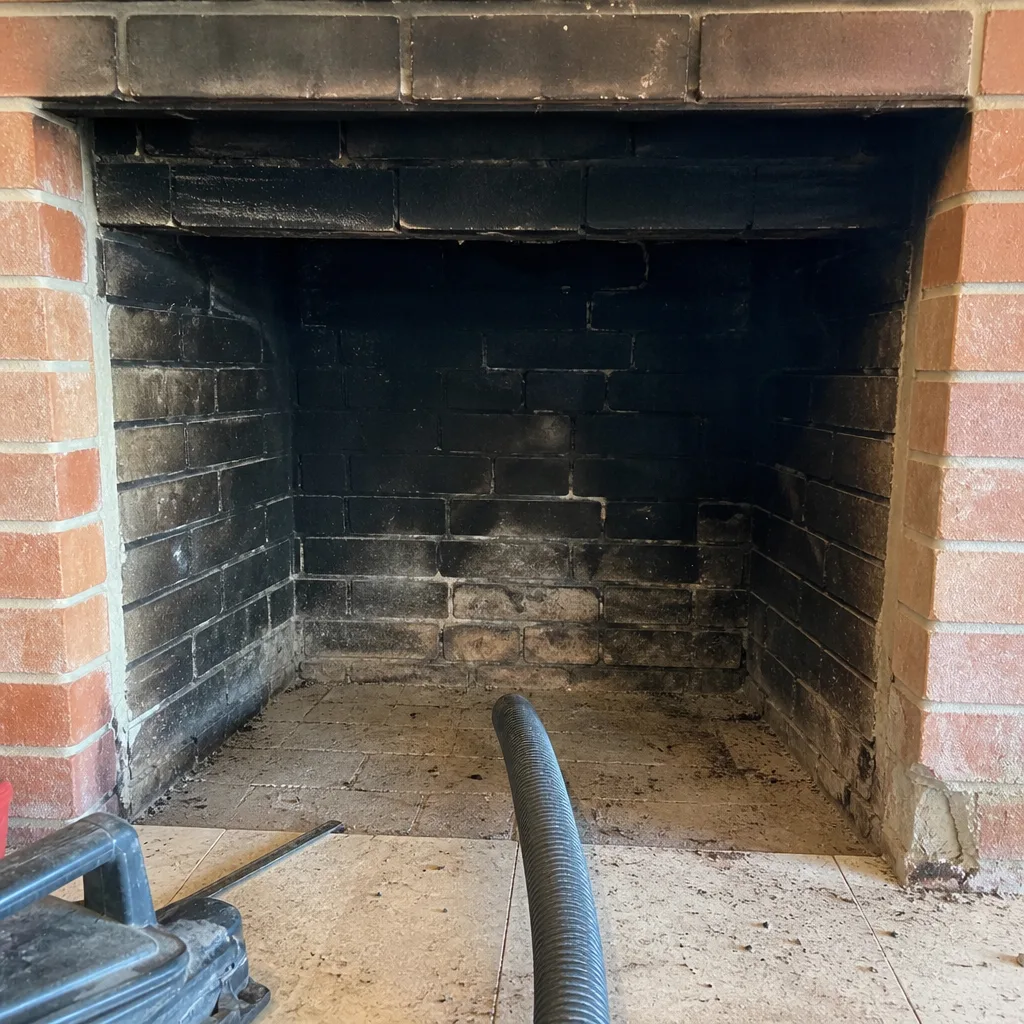 Before
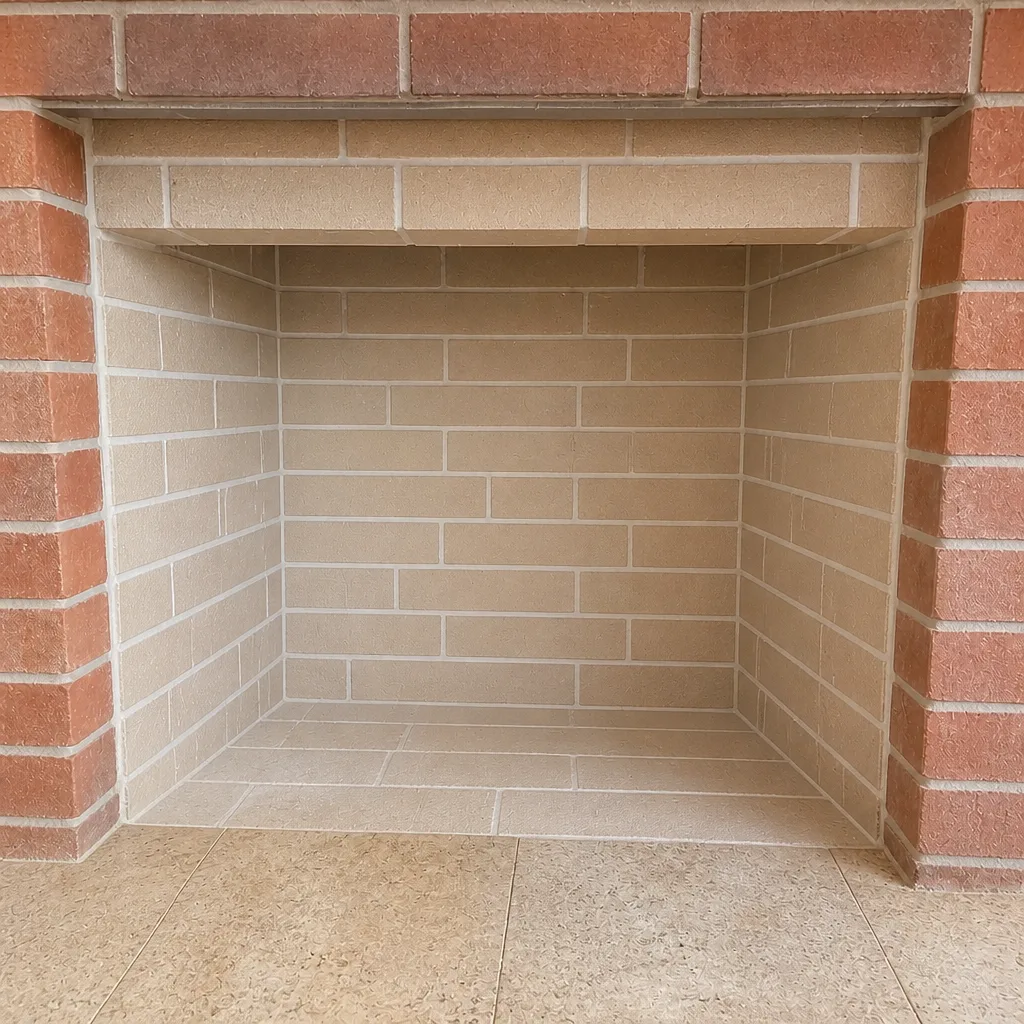 After
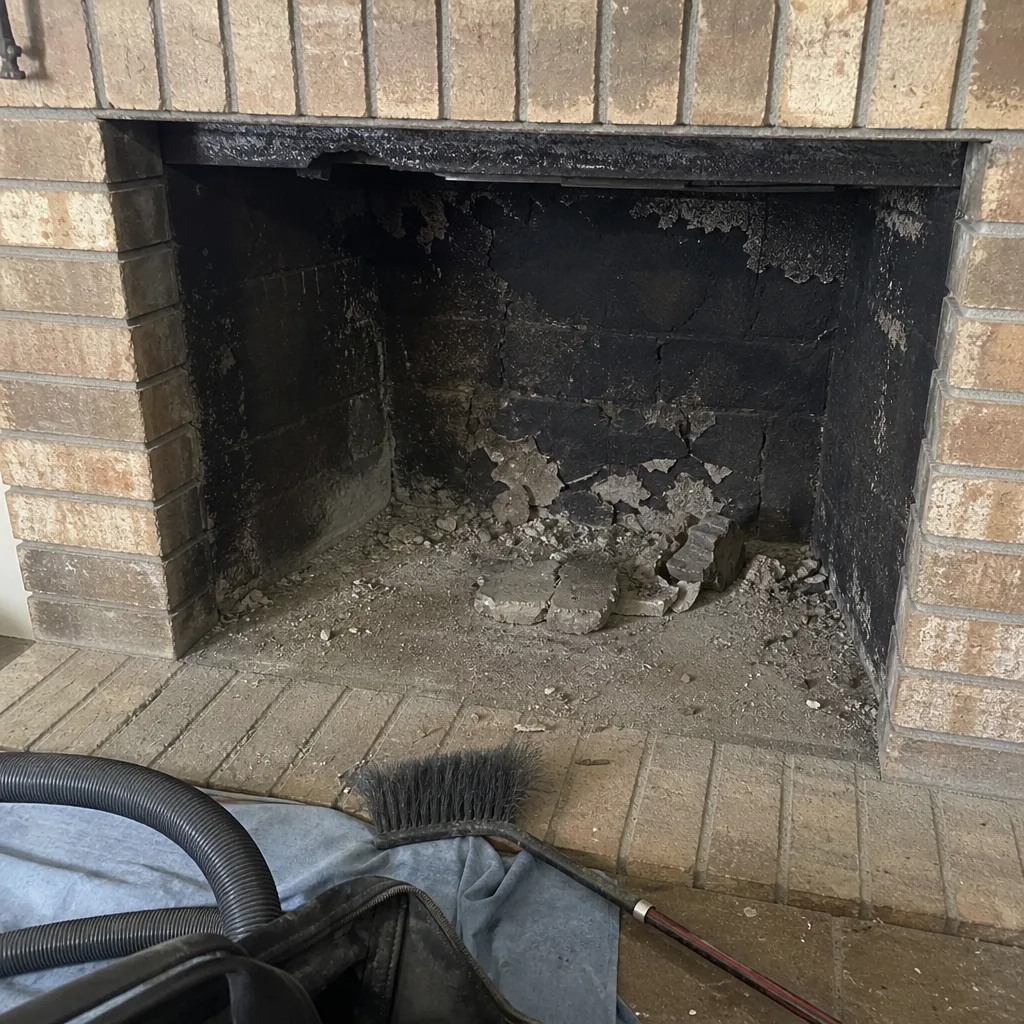 Before
 After
 Before
 After
When to Call a Professional
Some maintenance items are reasonable to monitor yourself; others need a professional. Call a professional if you see visible soot or creosote deposits on the flue walls, smell a strong smoky or tar-like odor from the fireplace when it isn’t in use, notice smoke rolling back into the room on a cold start, or see any sign of a chimney fire, even a small one. Call if you’ve moved into a home and don’t know the service history. Call if the crown or flashing is showing cracks or visible separation. And call after any significant roof or storm event that might have shifted the cap. Chimney Sweep Lubbock offers free estimates in Lubbock, and a technician with up to 12 years of experience can inspect, diagnose, and explain what you need in plain terms. Call (855) 617-0455. We answer 24/7. Fast dispatch from 7am to 7pm, Sunday through Friday.
Frequently Asked Questions
Once a year after the burn season is the standard for wood-burning chimneys, with a mid-season inspection if you burn heavily. If you burn manufactured logs or softwood more than occasionally, plan on a sweep sooner. Gas inserts need an annual inspection but rarely a full sweep. Call (855) 617-0455 for an exact quote on your specific chimney – estimates are free.
Not necessarily. Fewer than 15 fires of seasoned hardwood may not require a full sweep, but manufactured logs and damp wood leave more residue than most people expect. A quick inspection will tell you what your flue actually shows. Call (855) 617-0455 for an exact quote – estimates are free.
Creosote builds up on the flue walls and can ignite, causing a chimney fire that may crack the liner and create a path for carbon monoxide into the home. A small, slow-burning fire is often enough. The sweep is the cheapest way to keep the flue clear. Call (855) 617-0455 to book – estimates are free.
Often yes. HeatShield resurfacing restores a deteriorating liner without the disruption and cost of a full reline, provided the liner isn’t failed or structurally compromised. A professional inspection determines which option applies to your chimney. Call (855) 617-0455 for an exact quote – estimates are free.
Yes. A restricted dryer vent is a fire hazard, and folding the inspection into the same annual visit means it’s handled at the same time as the chimney. Vent cleaning is one of the highest-value safety services a homeowner can schedule. Call (855) 617-0455 to add vent work to your next visit – estimates are free.
Book an inspection. A professional can establish a baseline by inspecting the liner, crown, flashing, and cap and documenting what they find. From there, the schedule can be set going forward. Call (855) 617-0455 – estimates are free.
The Bottom Line
The right maintenance schedule depends on what you burn, how often, and what your chimney is built from. A single annual sweep is a floor, not a ceiling. Match the sweep to actual usage: one annual sweep after the burn season for most wood-burning chimneys, mid-season inspections for heavy users, sooner sweeps for manufactured logs and damp wood, and annual inspection for gas. Add the crown and flashing to a 2-3 year cycle and the cap to a post-storm check. Fold the dryer vent into the same annual visit. Keep a simple chimney log so every professional and every buyer can see the history. For a full-service chimney and dryer vent specialist in Lubbock, call Chimney Sweep Lubbock at (855) 617-0455. We answer 24/7. Fast dispatch from 7am to 7pm, Sunday through Friday. Estimates are free.
Written by the team at Chimney Sweep Lubbock.